Winner
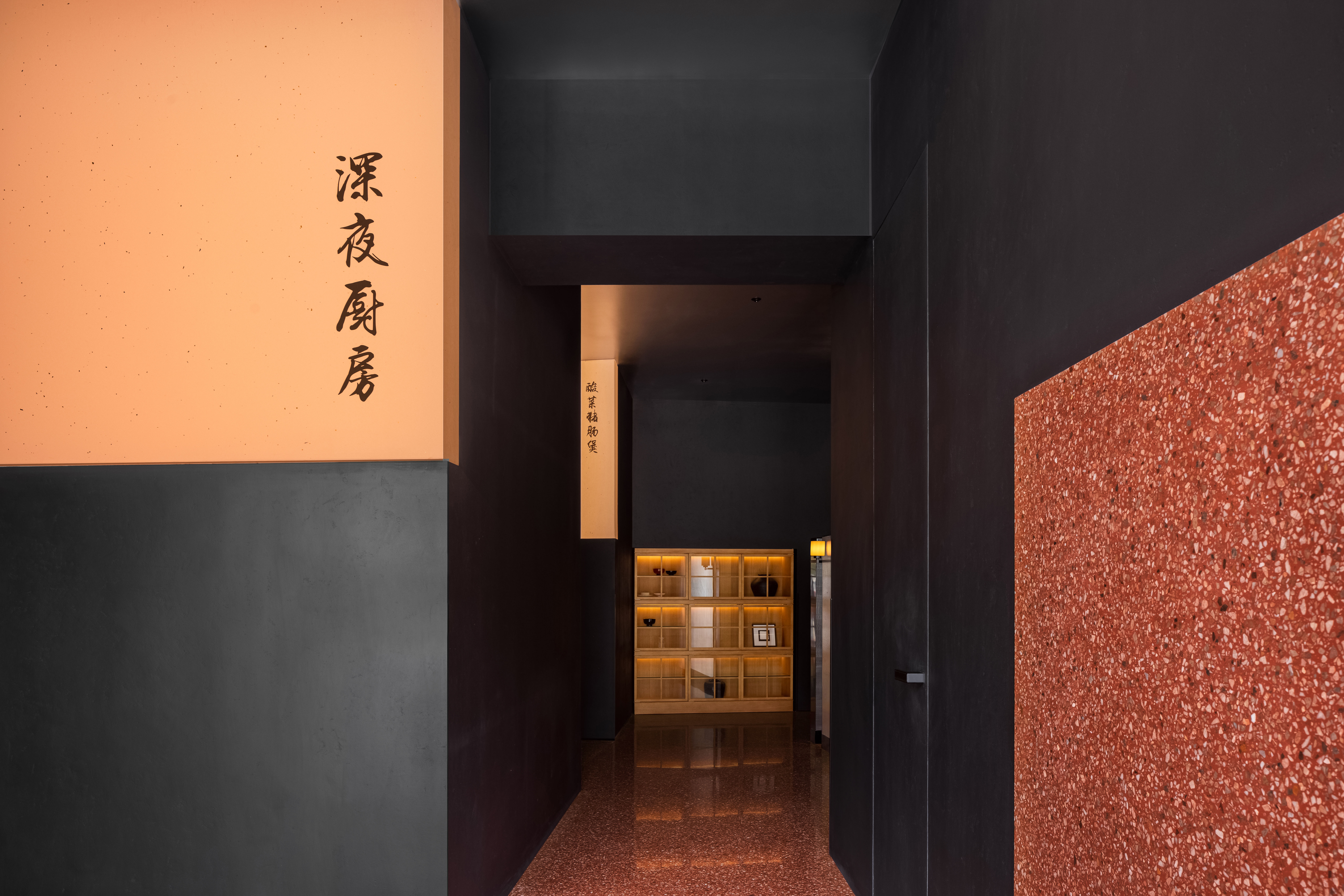
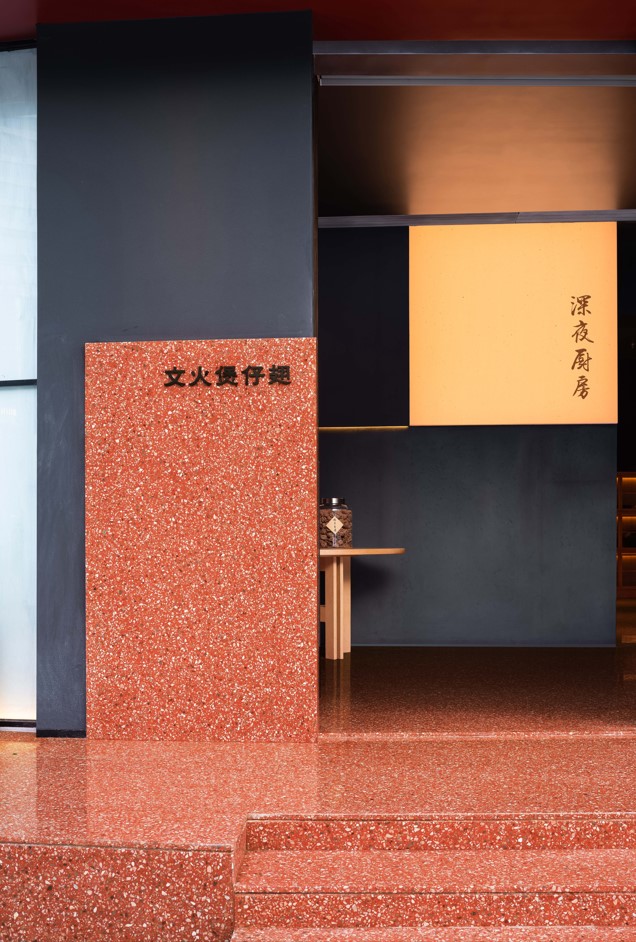
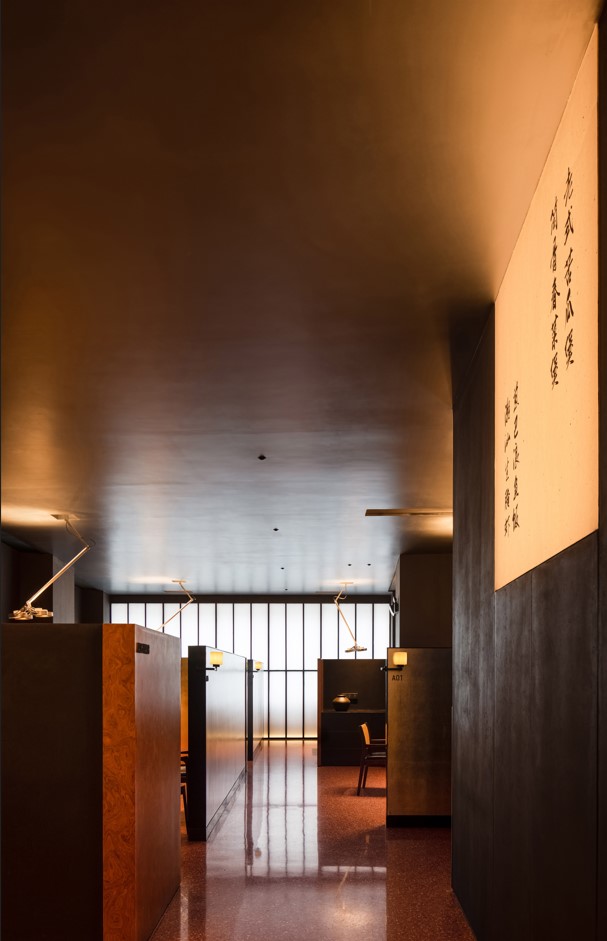
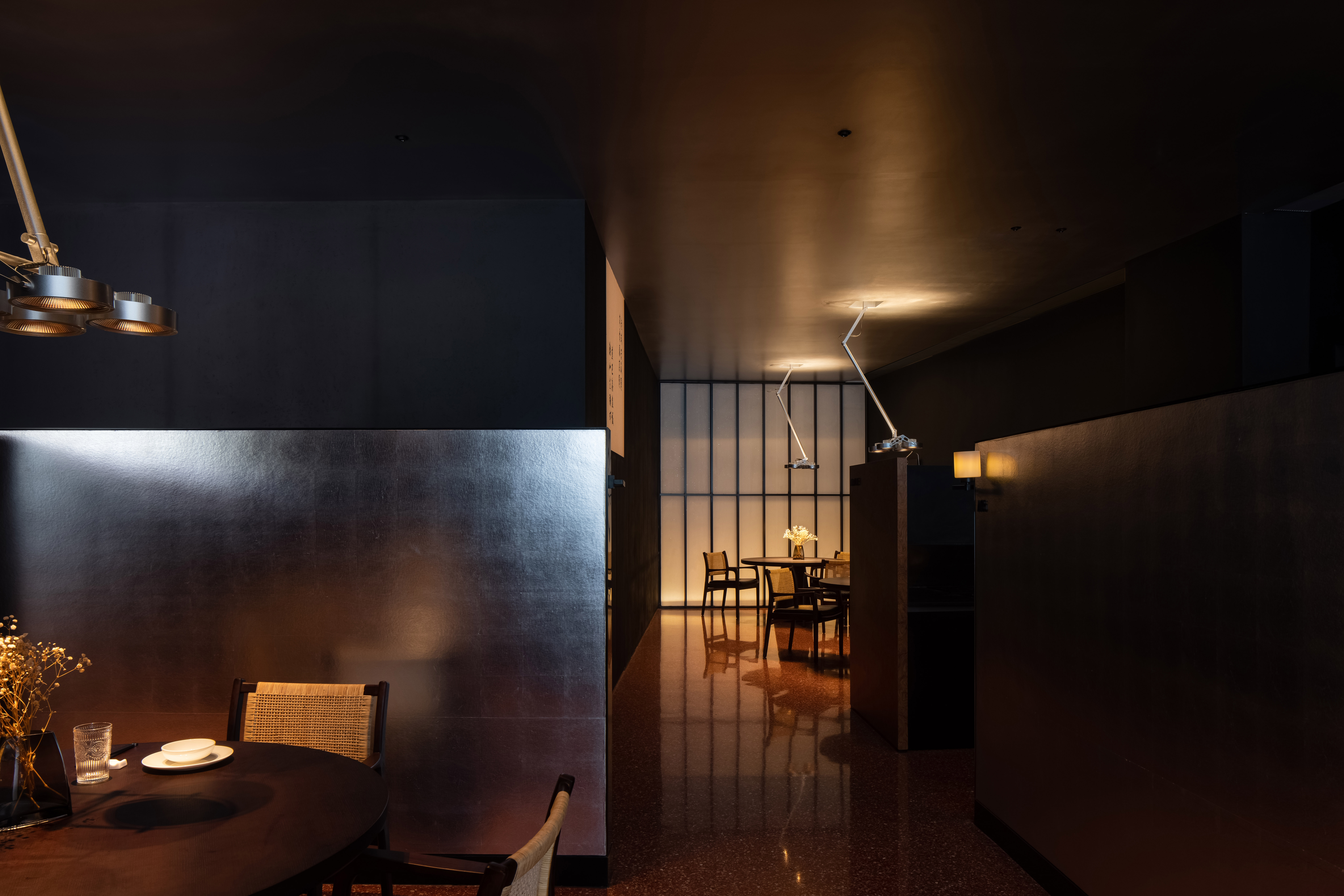
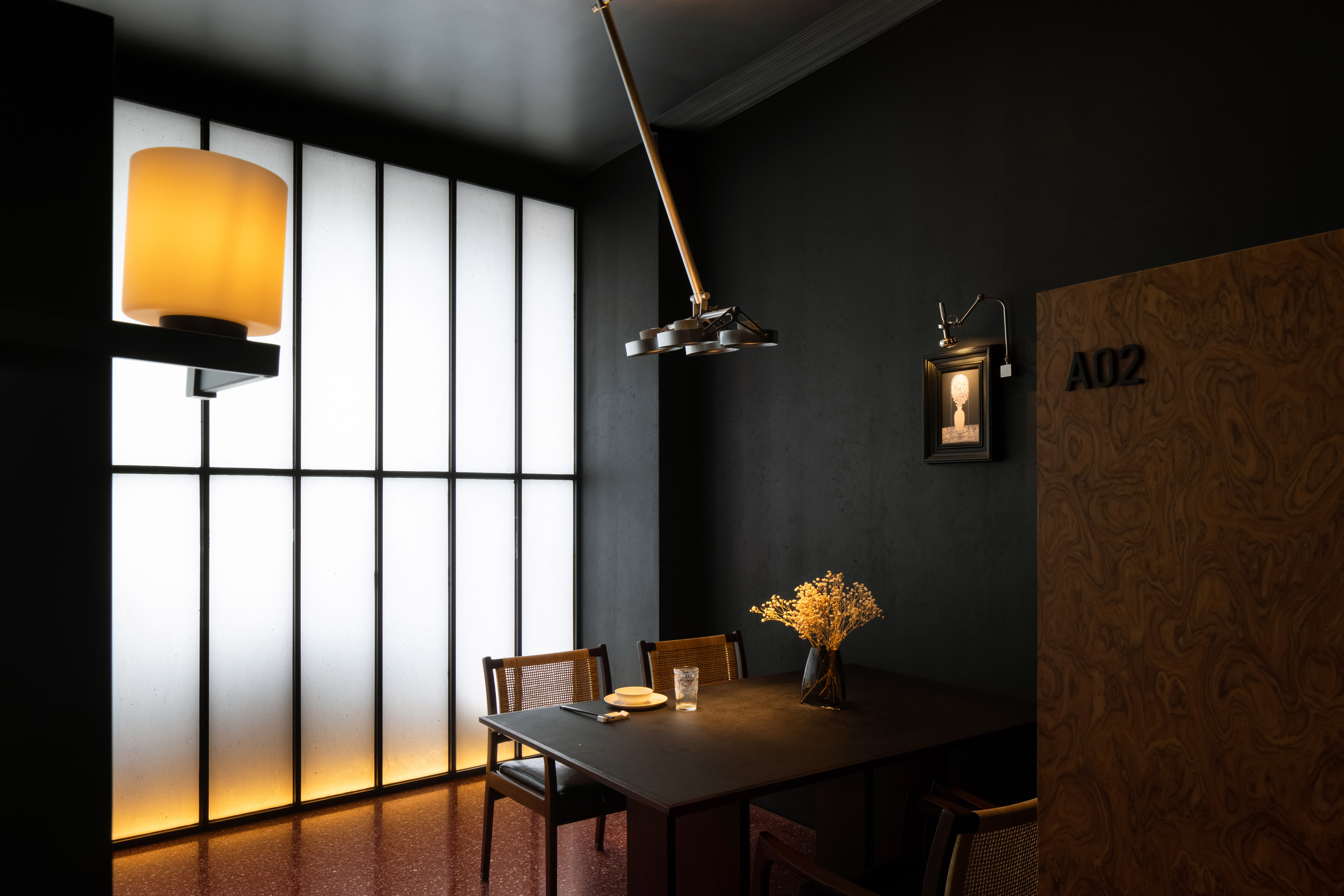
The black walls and domed ceiling create a serene overture; the red terrazzo floor glows like dawn's first light, igniting the senses.
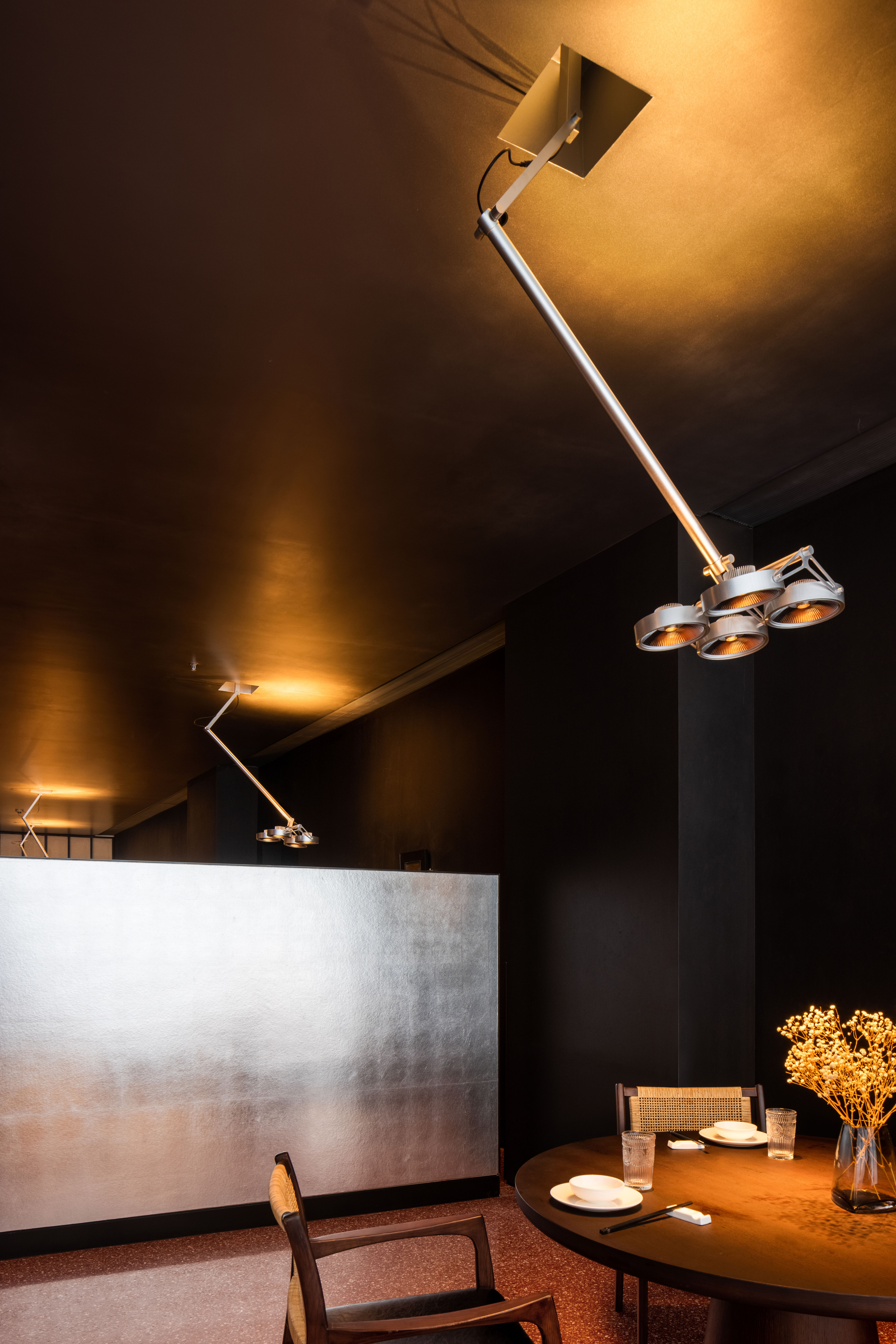
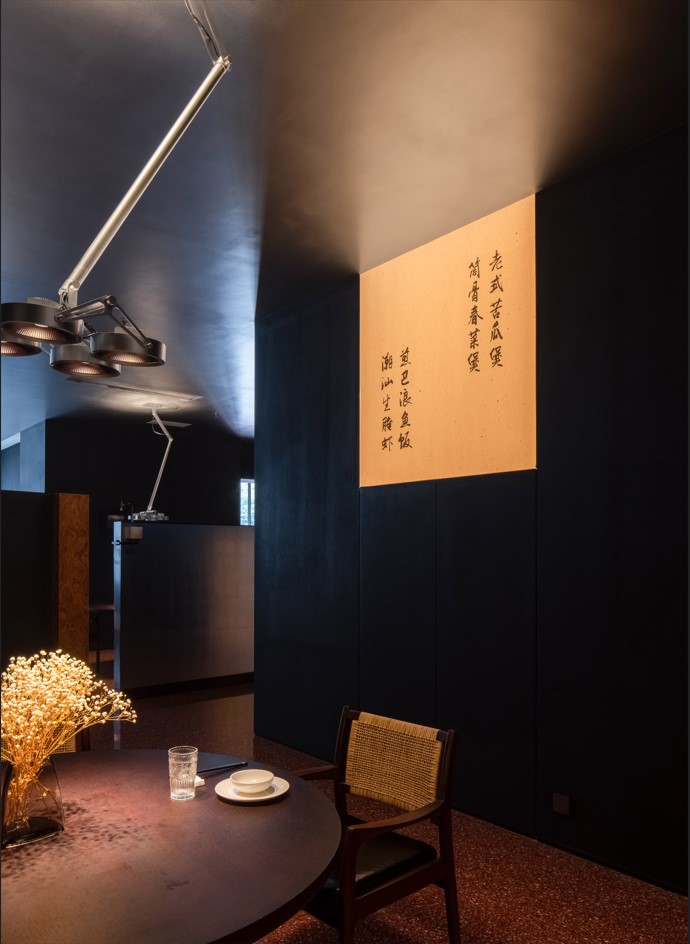
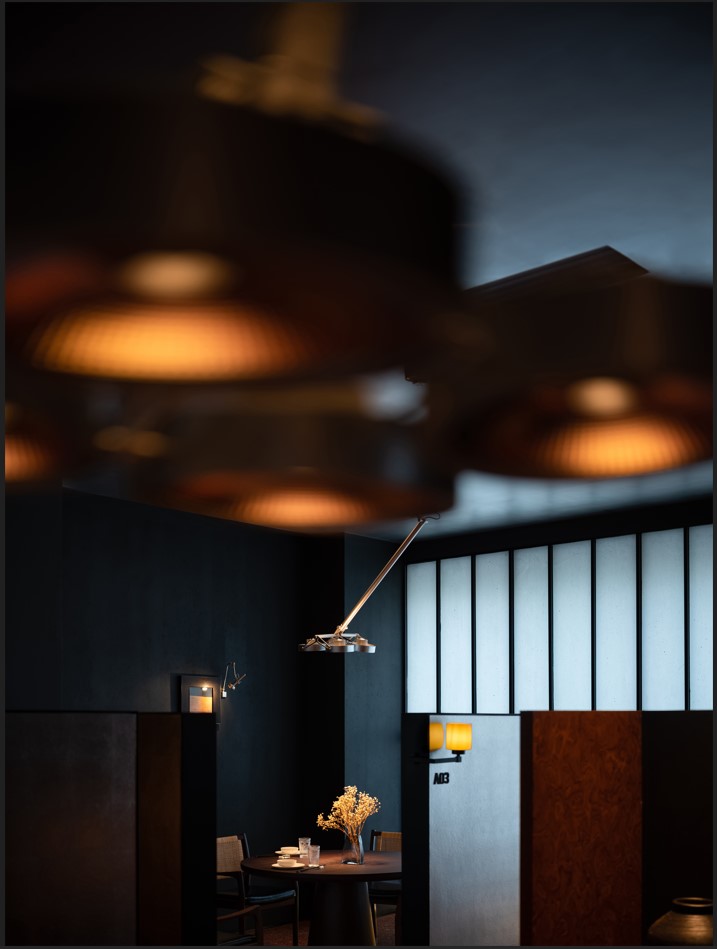
In the reception area, blocks of acrylic light serve as brushes of illumination, softening the interplay of black and red tones and adding a touch of transparency and warmth. The dining area mostly adopts a semi-enclosed layout, with screens gently wrapping around, offering a balance of openness and privacy. The screens, draped in silver, soft light from wall sconces casts shimmering reflections, with its high reflectivity, brightens the black-and-red sanctuary, where light and shadow dance harmoniously, dispelling any heaviness. Within the private rooms, deep black walls are adorned with warm lighting elements, elegantly inscribing the names of dishes to enhance the atmosphere.



Winner
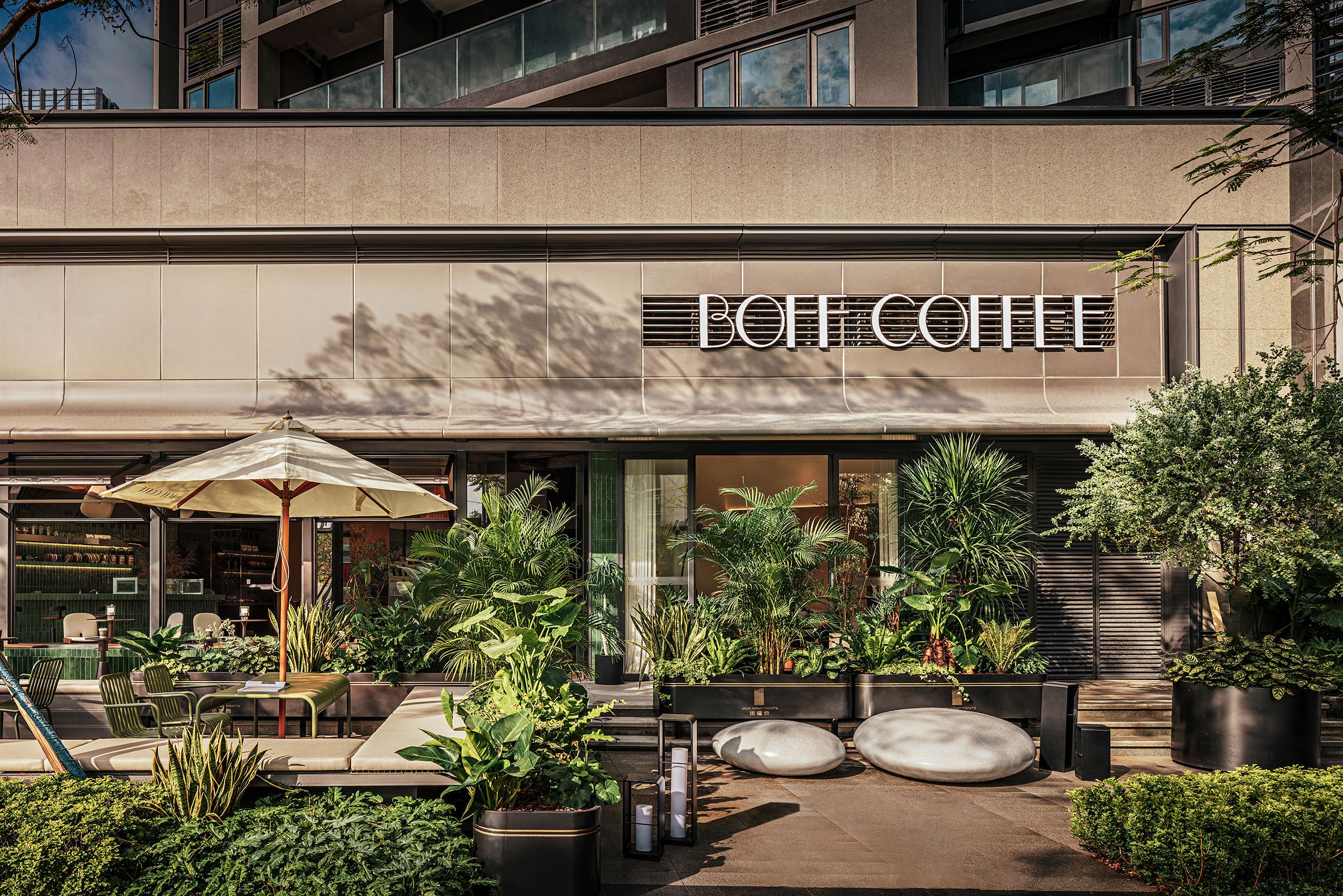
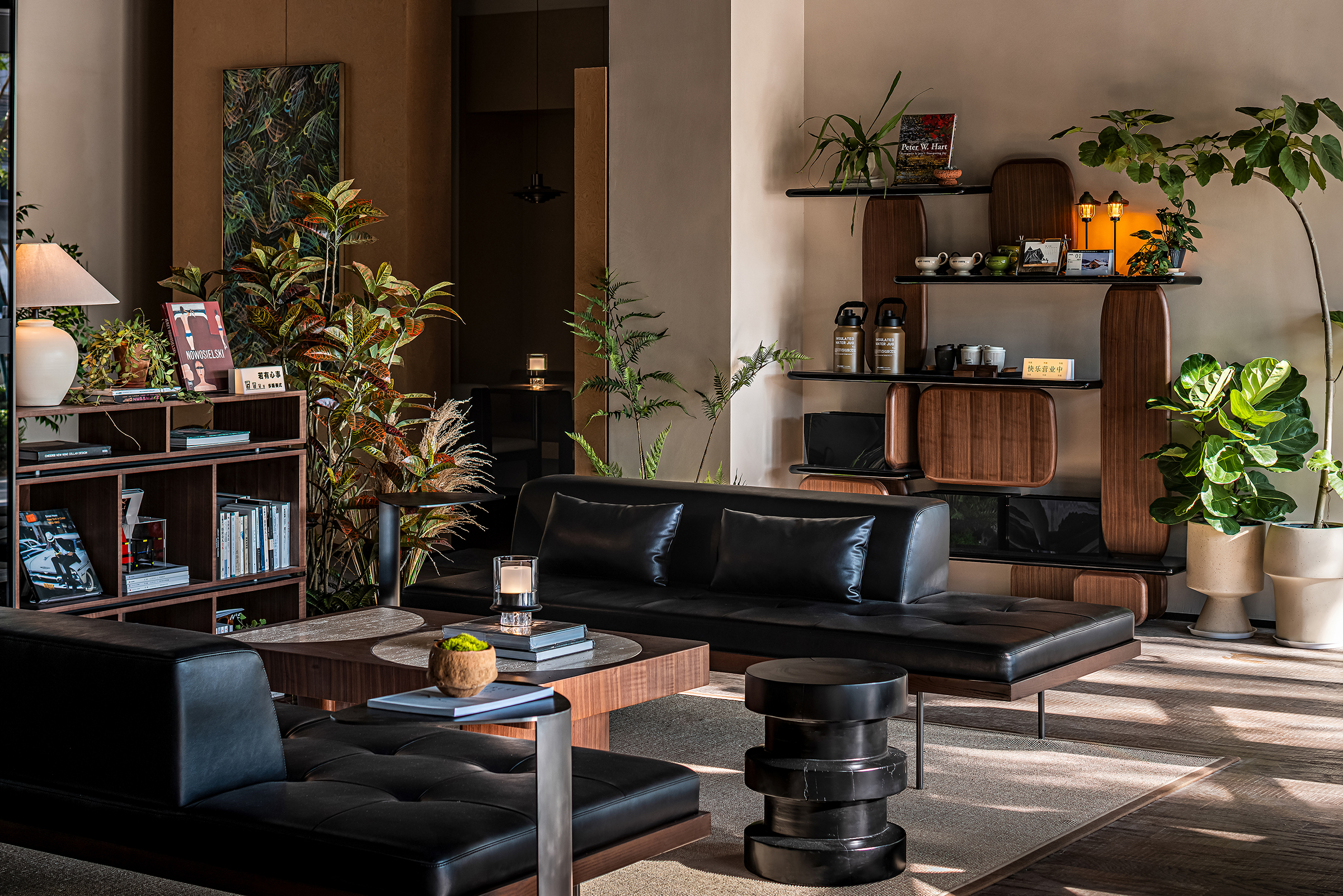
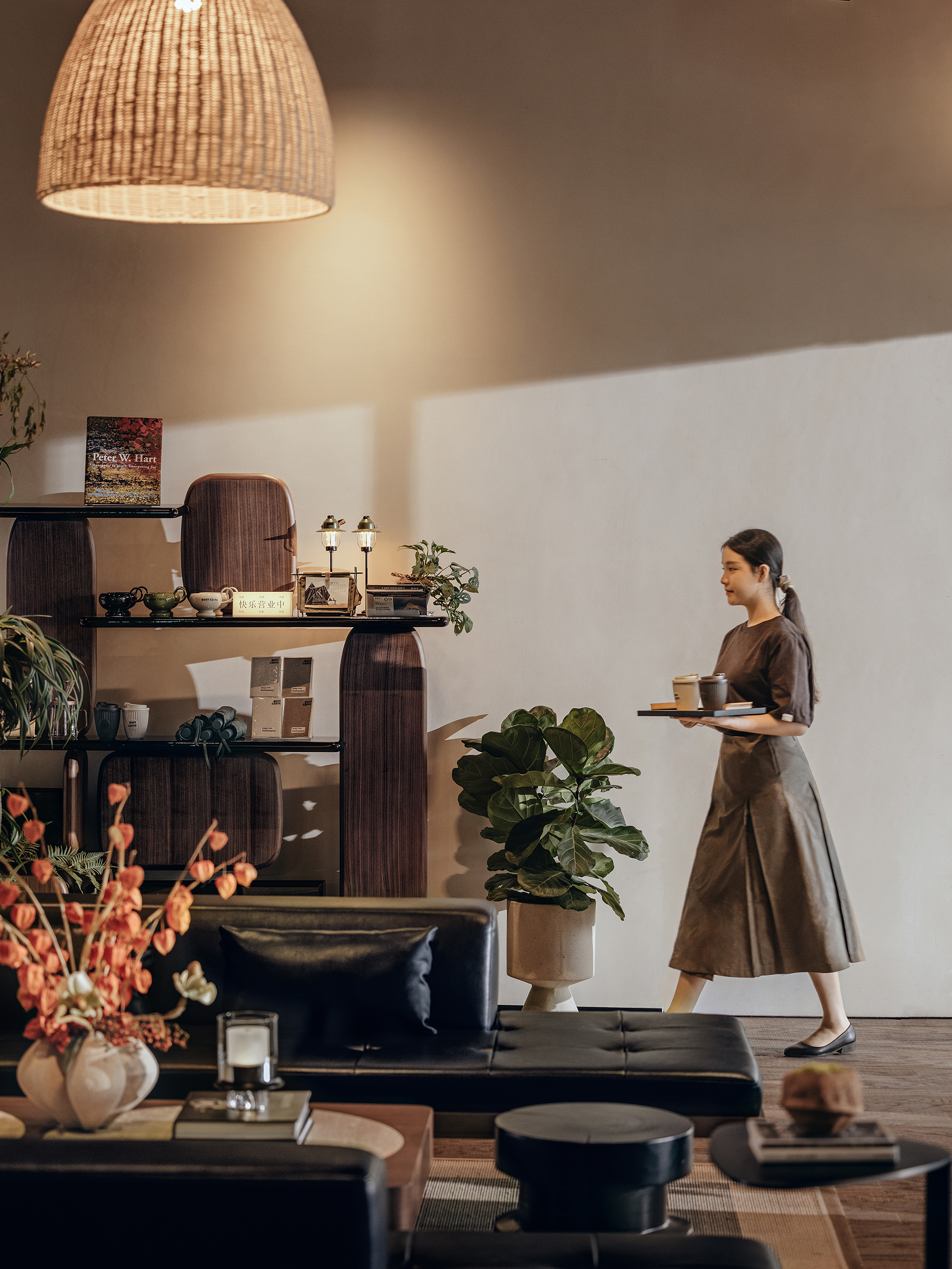
BOFF Coffee, located at the corner of Runyao Mansion in Shenzhen’s Guangming District, is a multifunctional hybrid space that transforms four original storefronts into a combined real estate exhibition hall and permanent community cafe. The design reimagines traditional sales venues with an aluminum facade inspired by architectural eaves, openable glass walls for seamless indoor-outdoor flow, and landscape-integrated interiors that promote community engagement. Despite challenges in timeline, budget, and customization, the project was successfully completed through integrated project management, cost-effective material strategies, and detailed coordination with suppliers. The space delivers a warm, flexible environment that adapts to both marketing and social functions, setting a new benchmark for real estate-commercial integration. It embodies a non-invasive, sustainable approach that supports long-term neighborhood vitality while meeting immediate project needs.
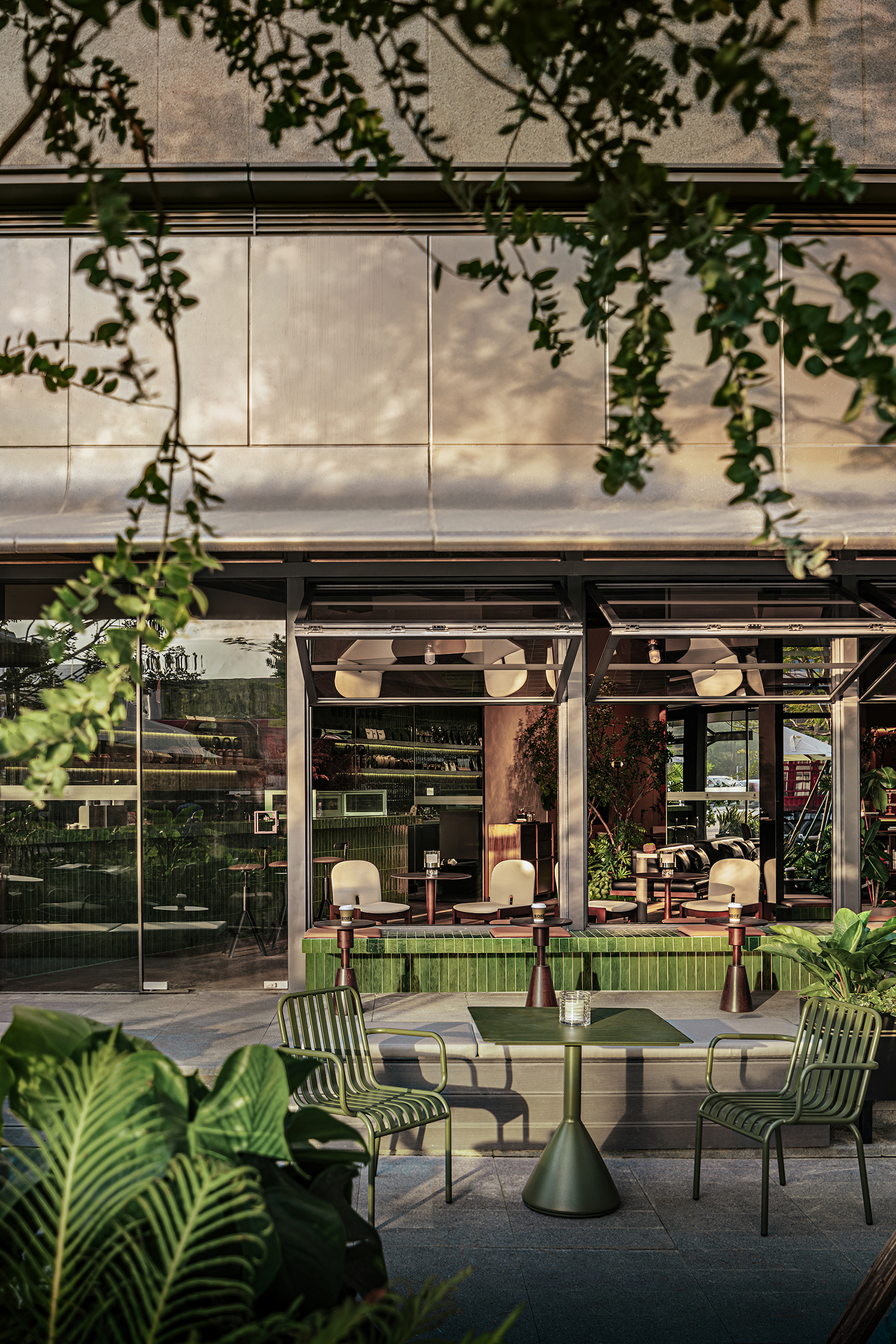
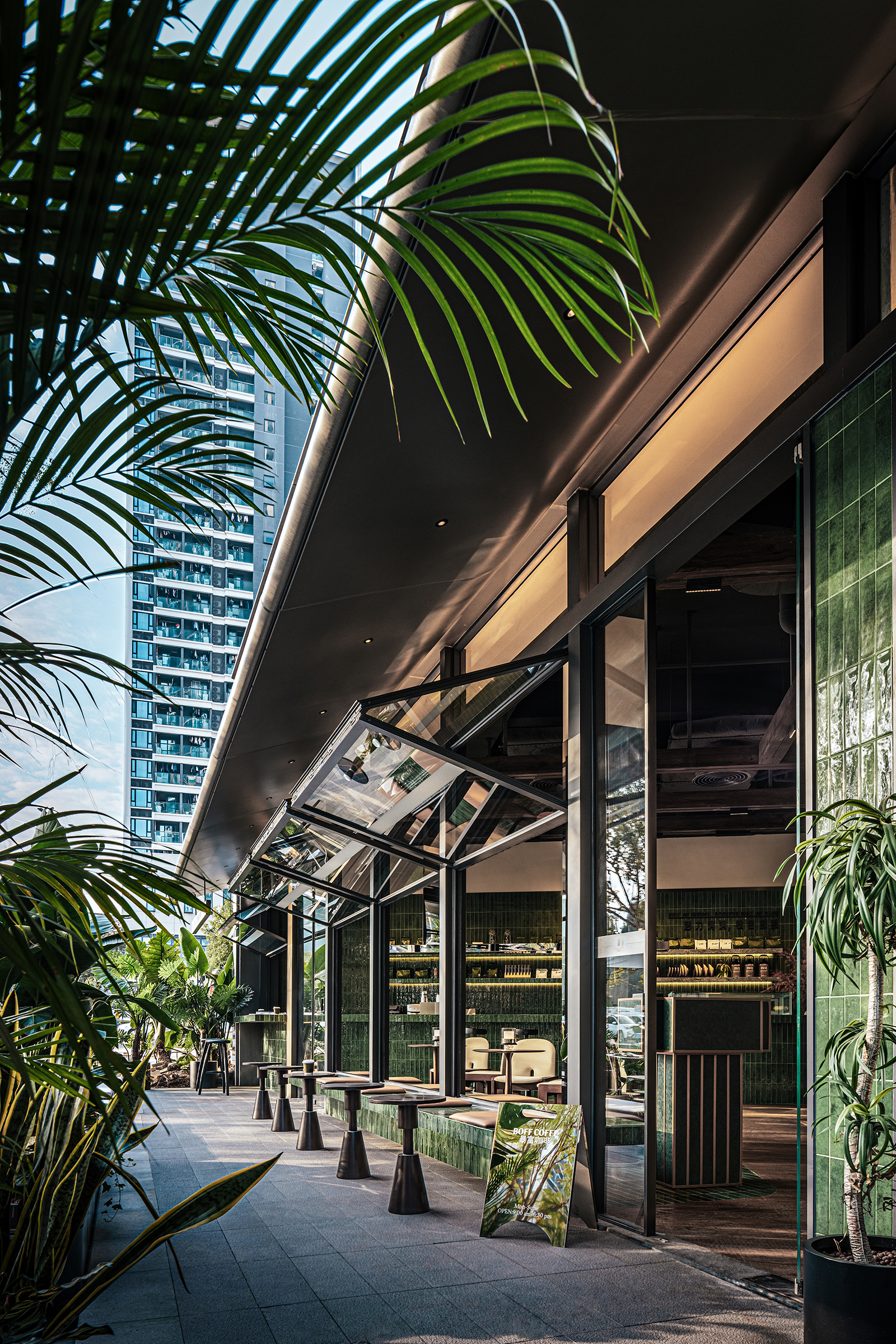
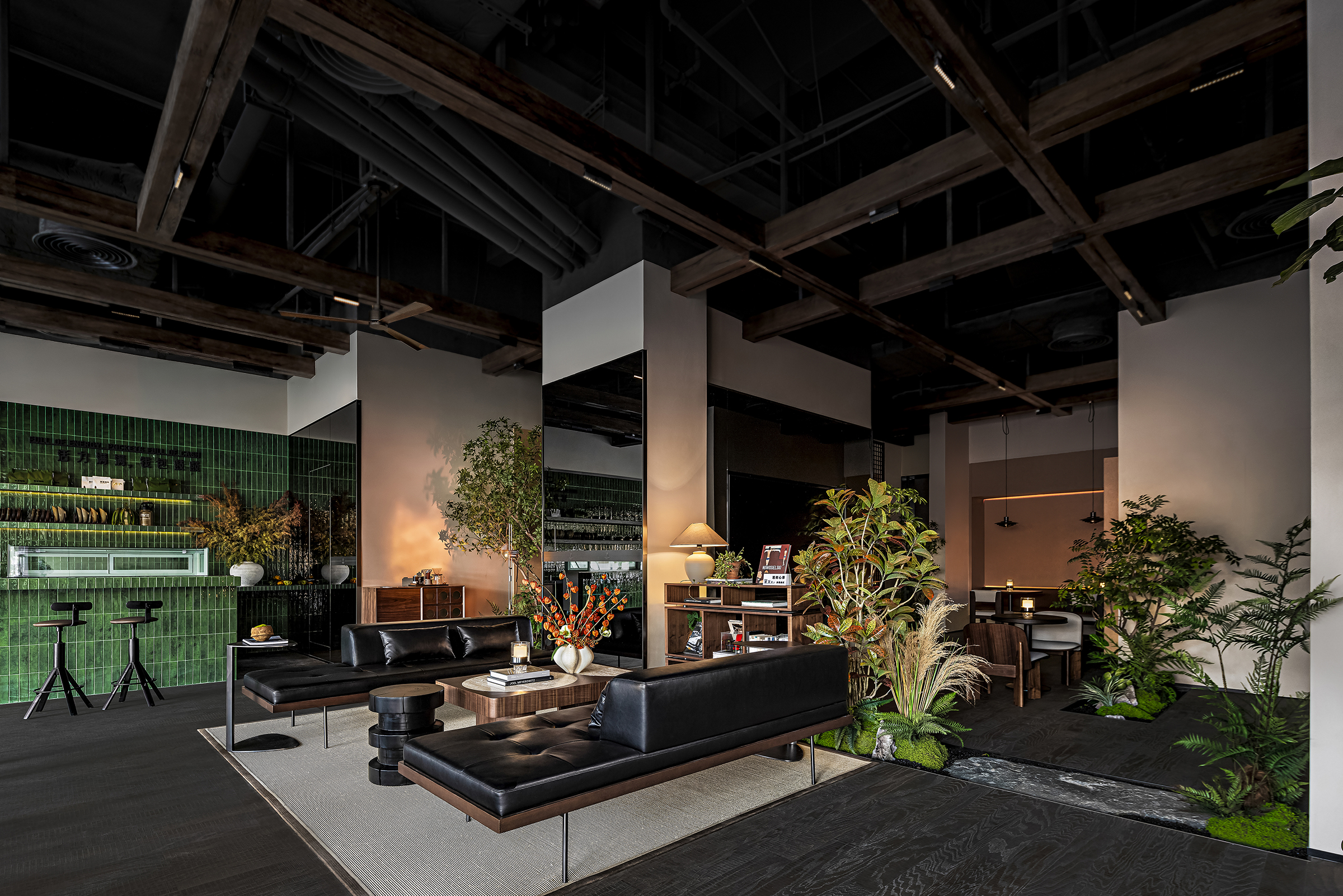
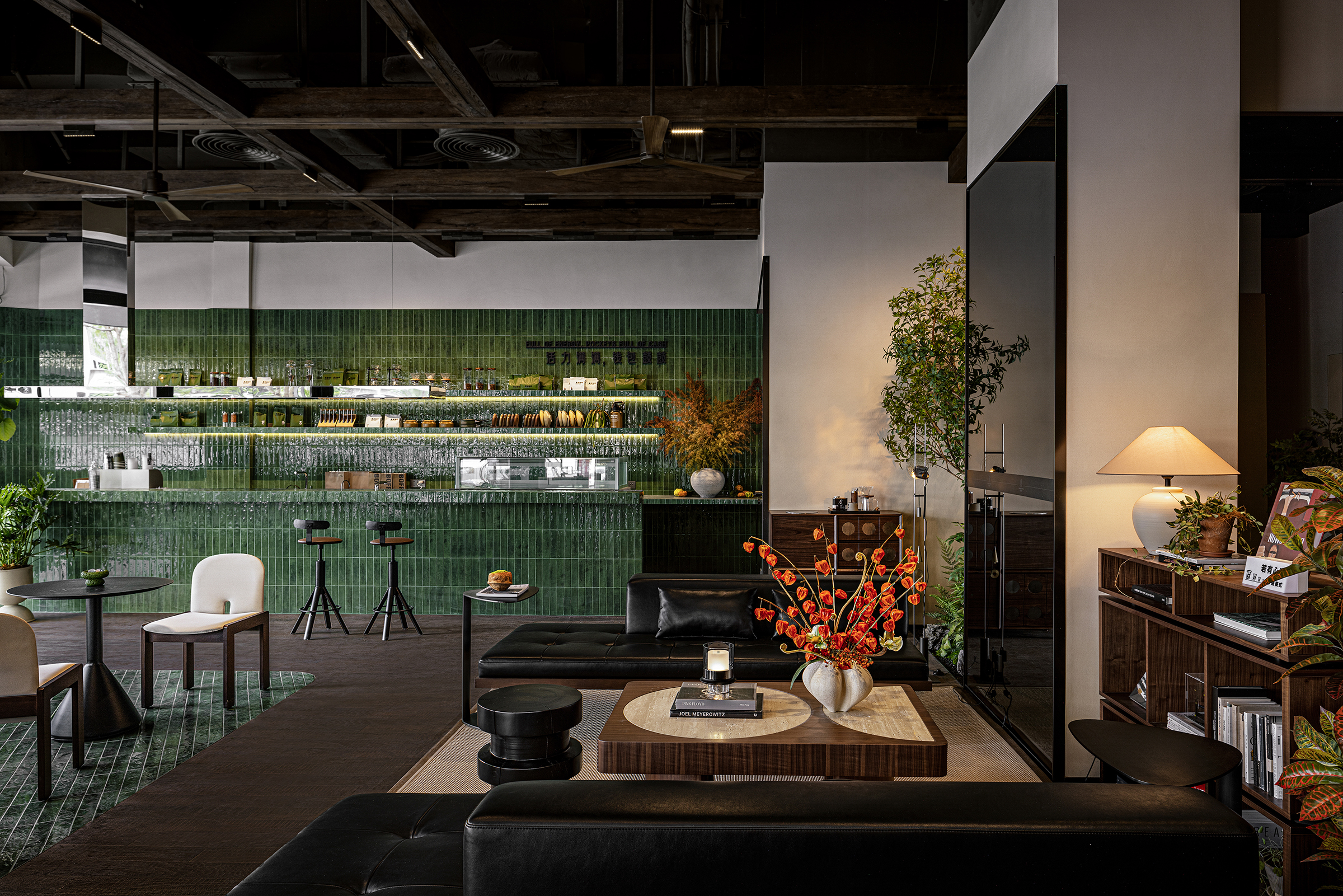

Winner
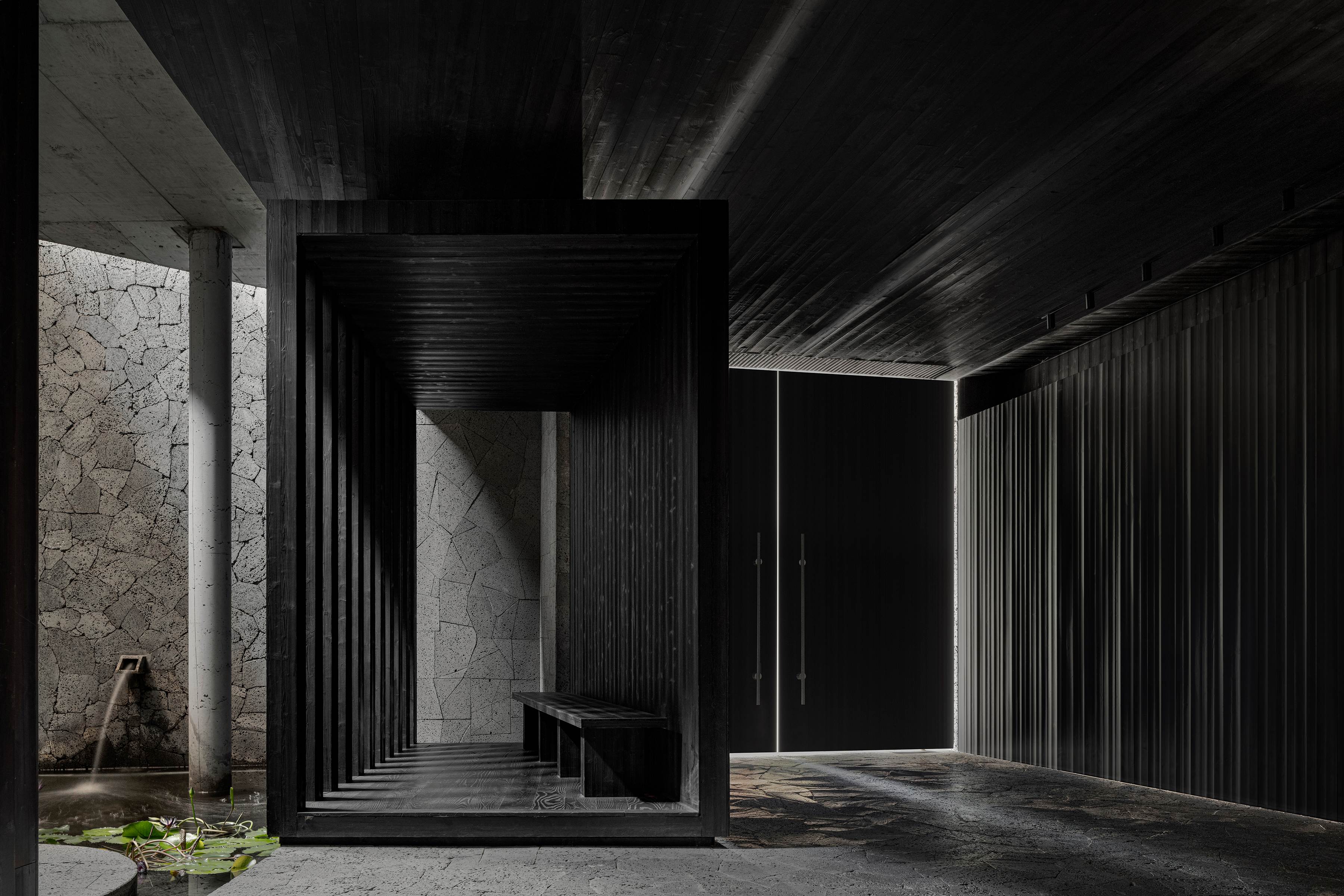
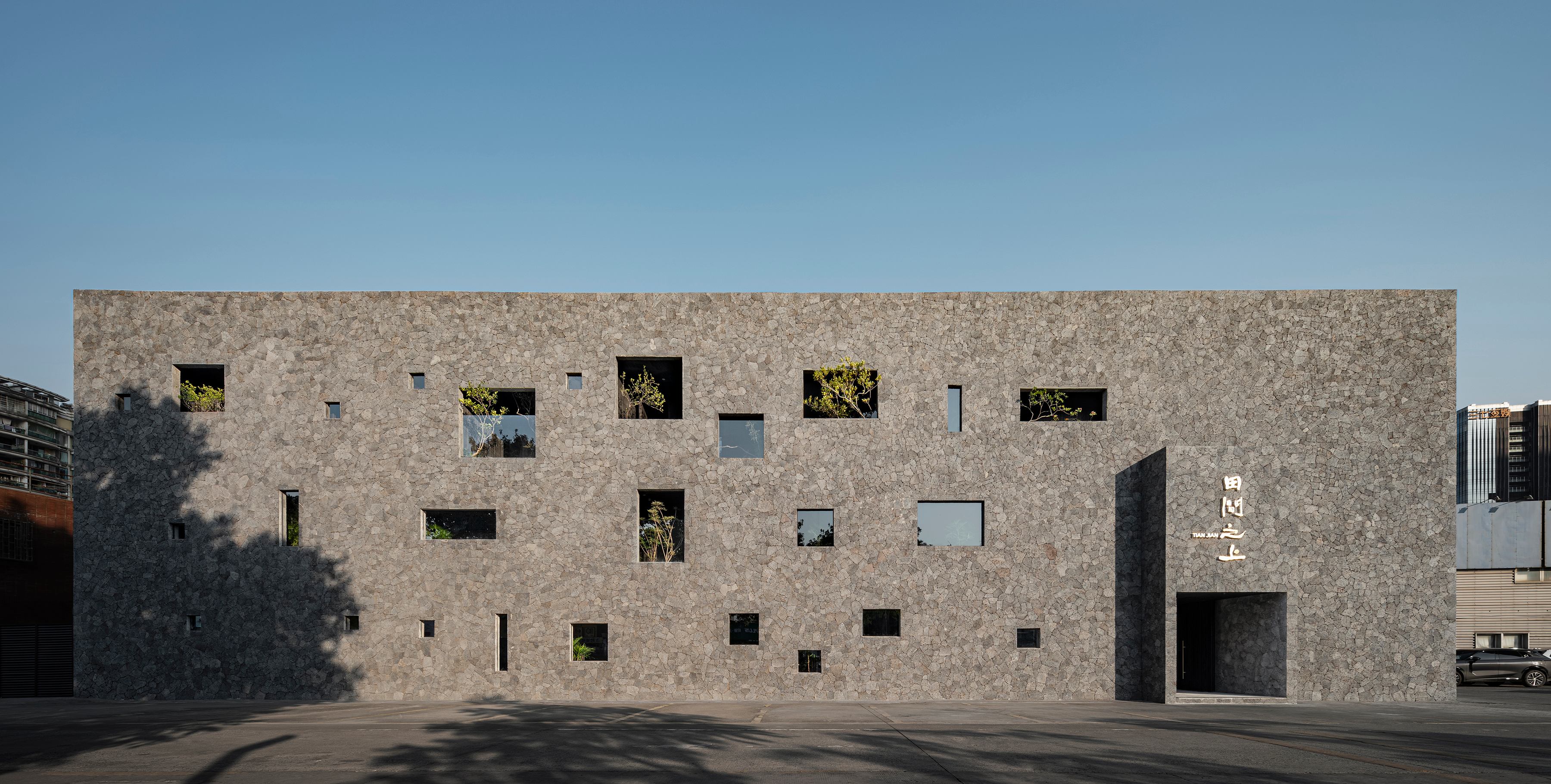
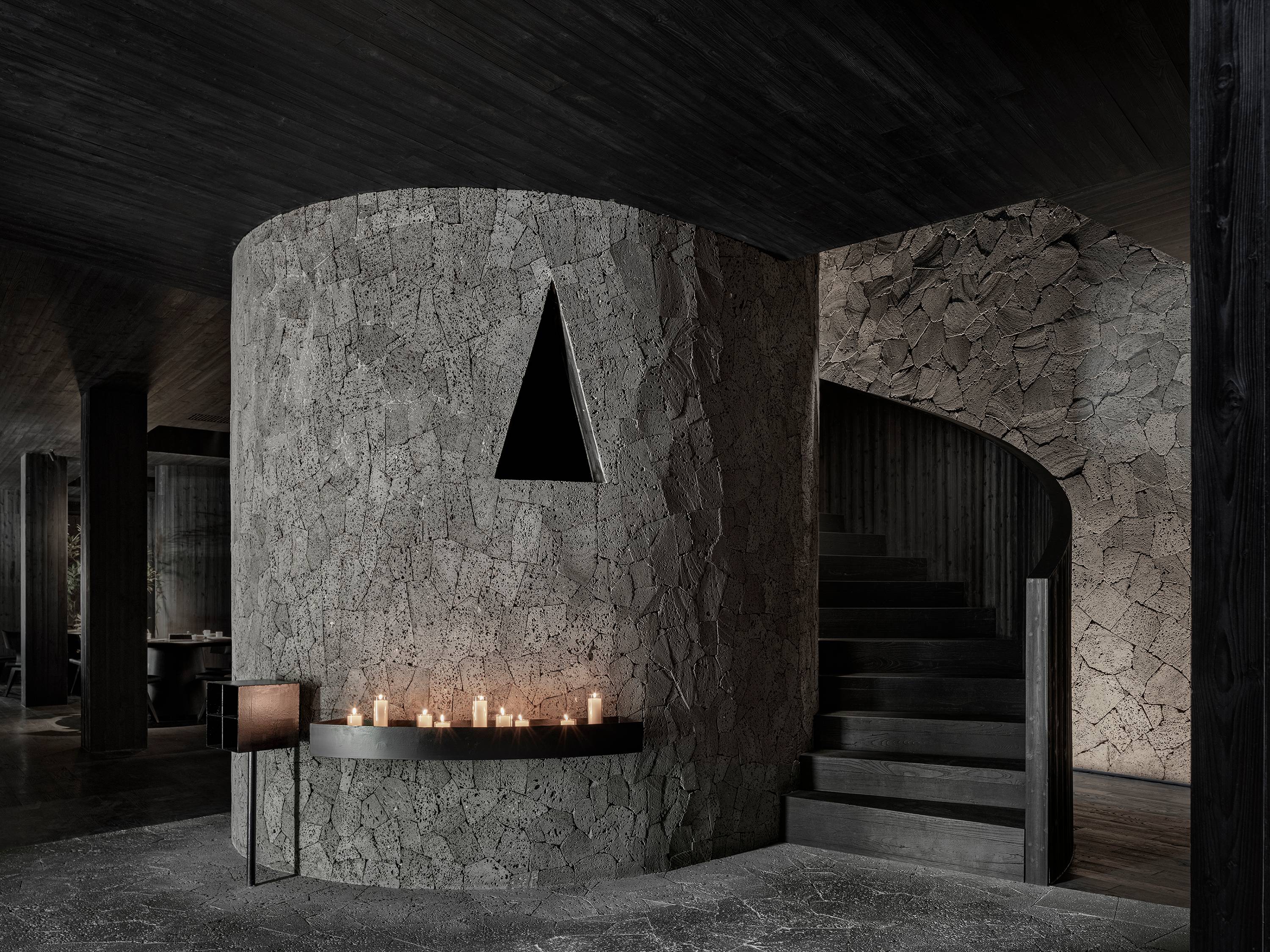
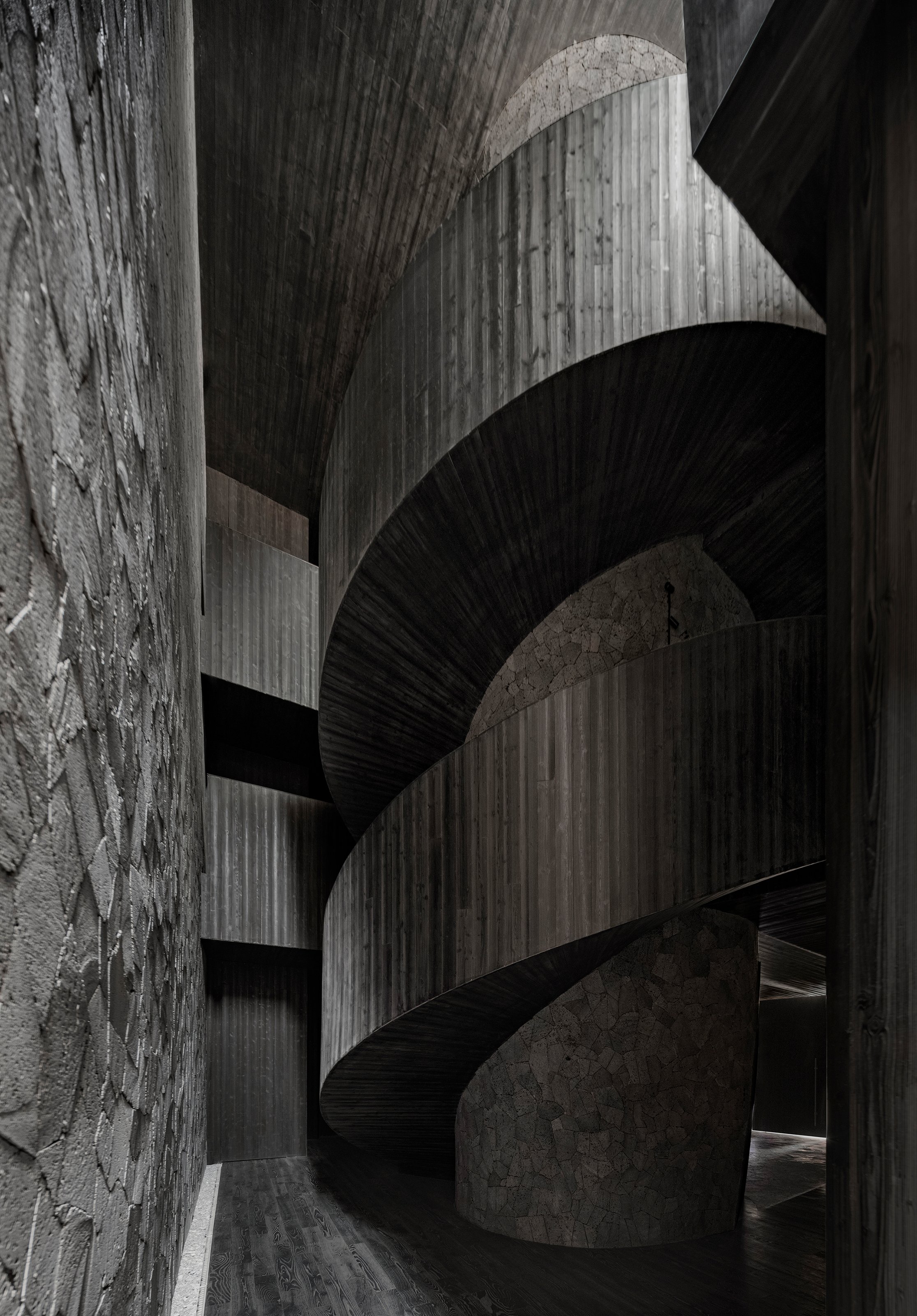
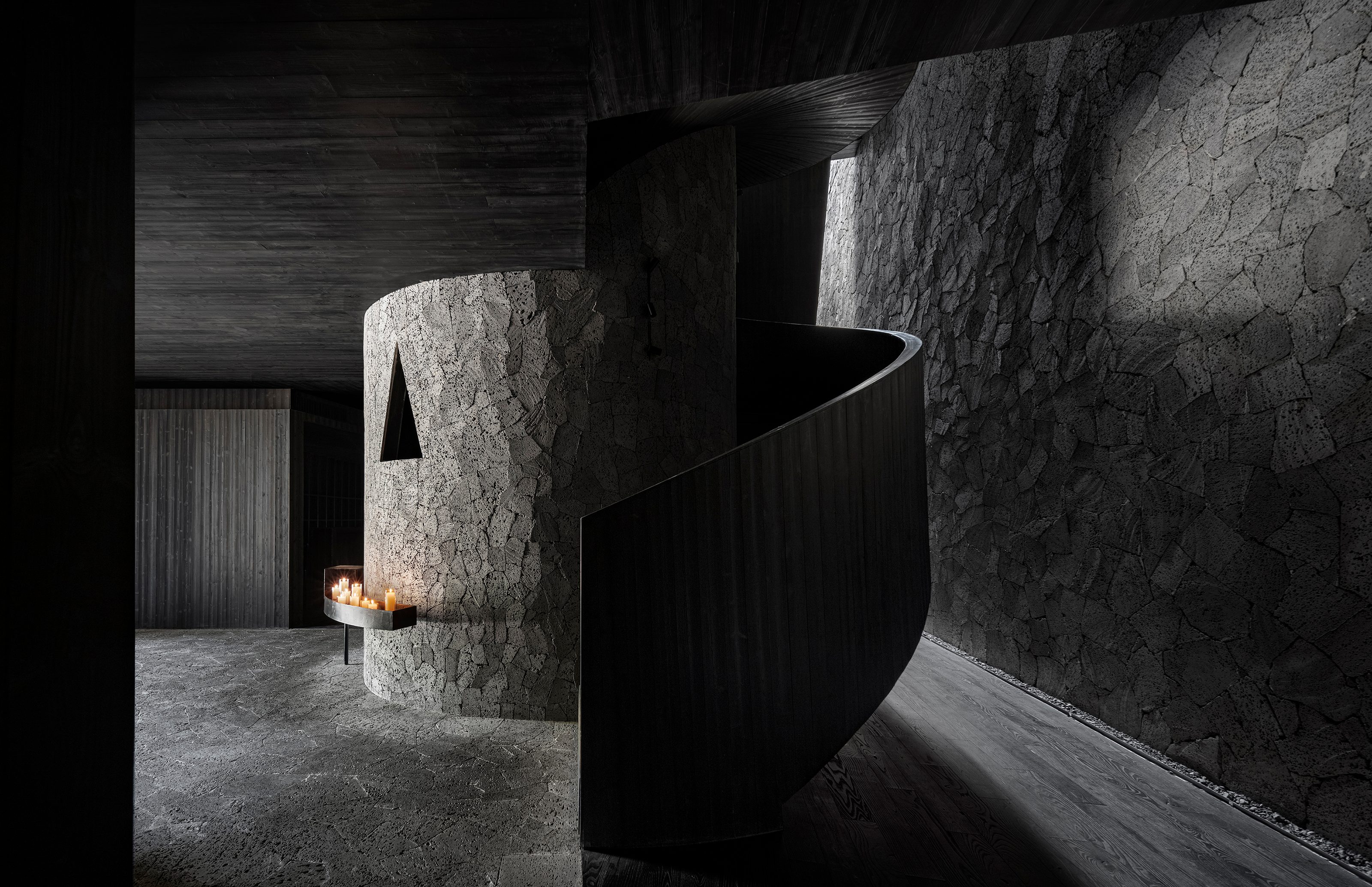
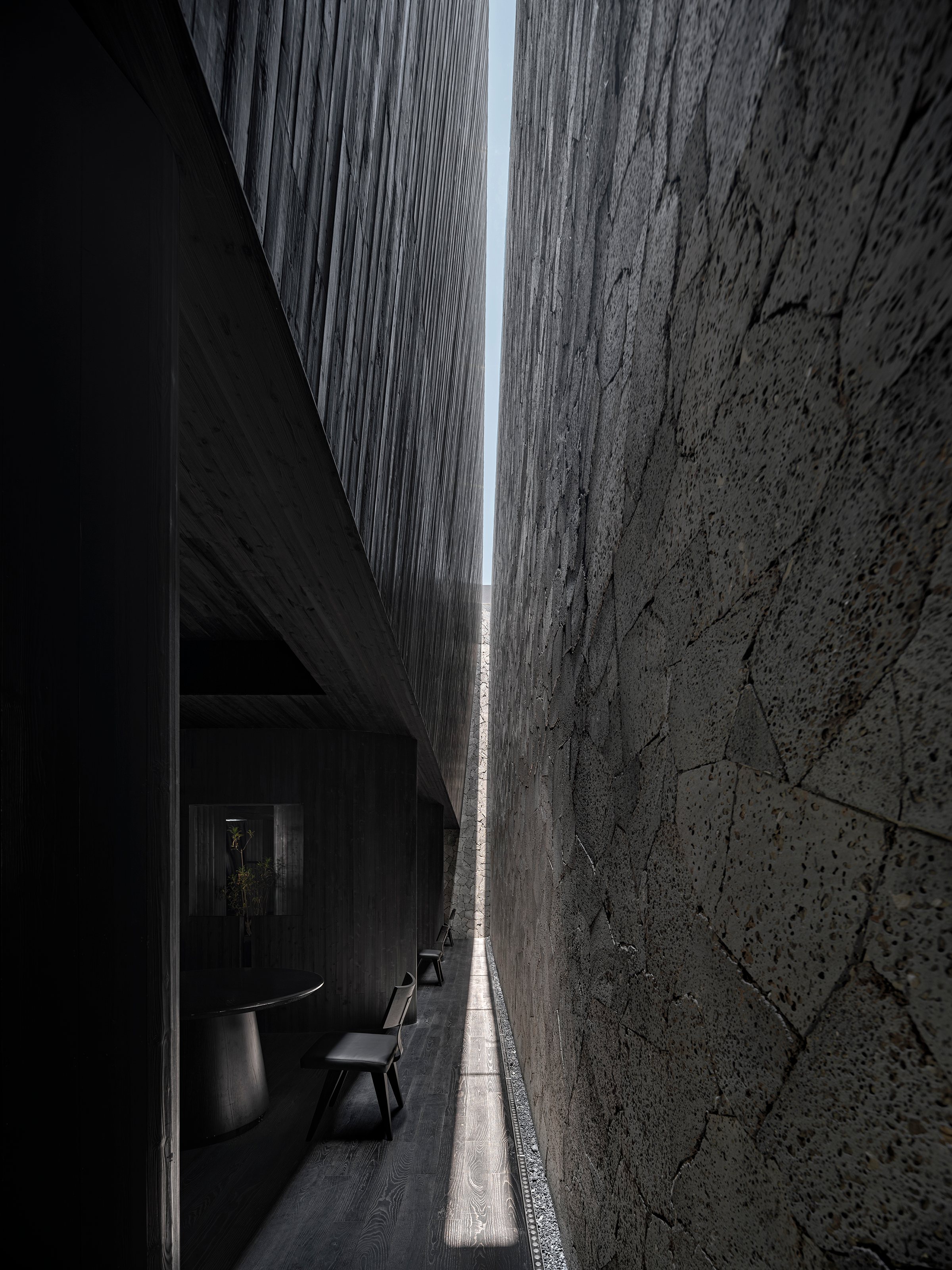
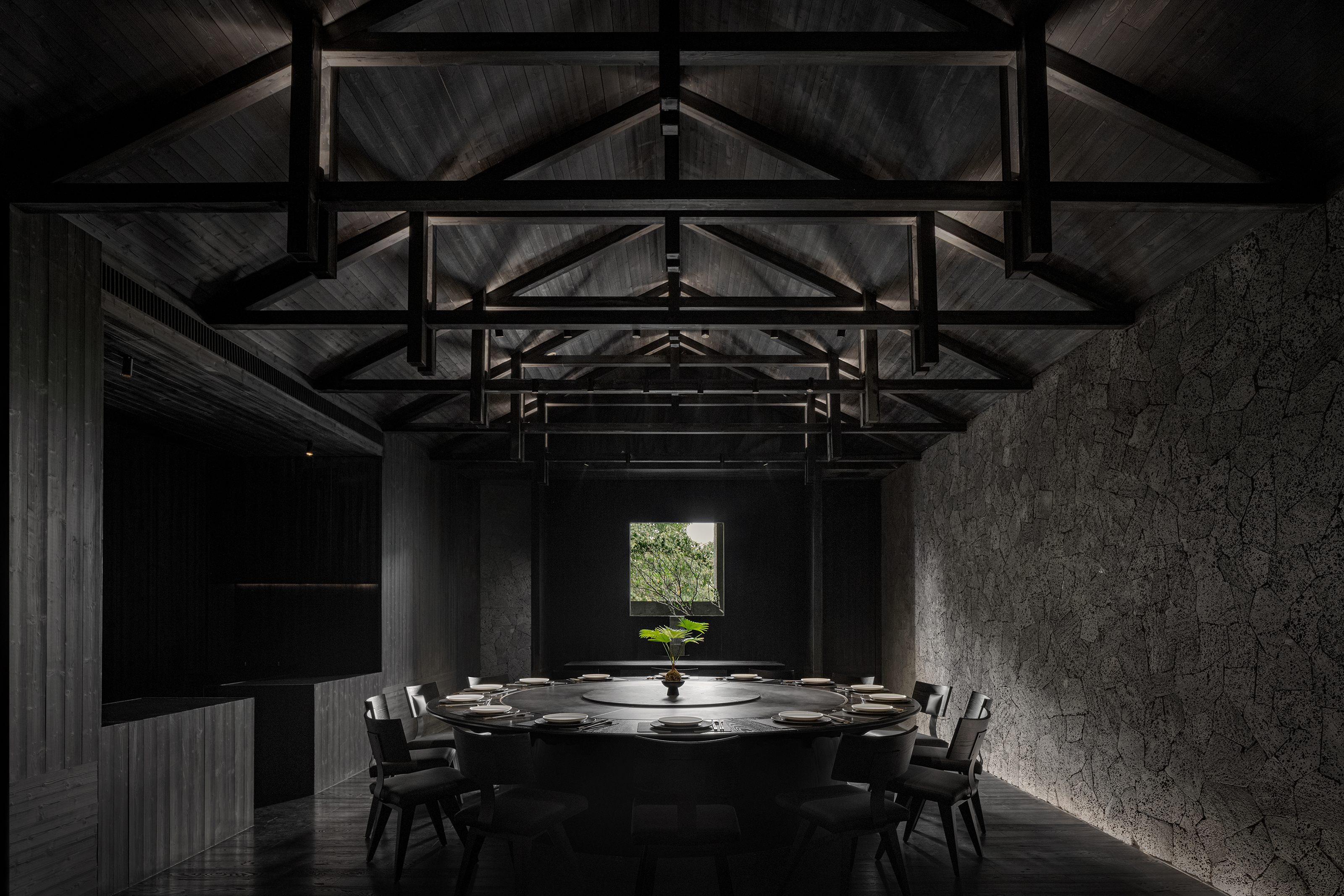
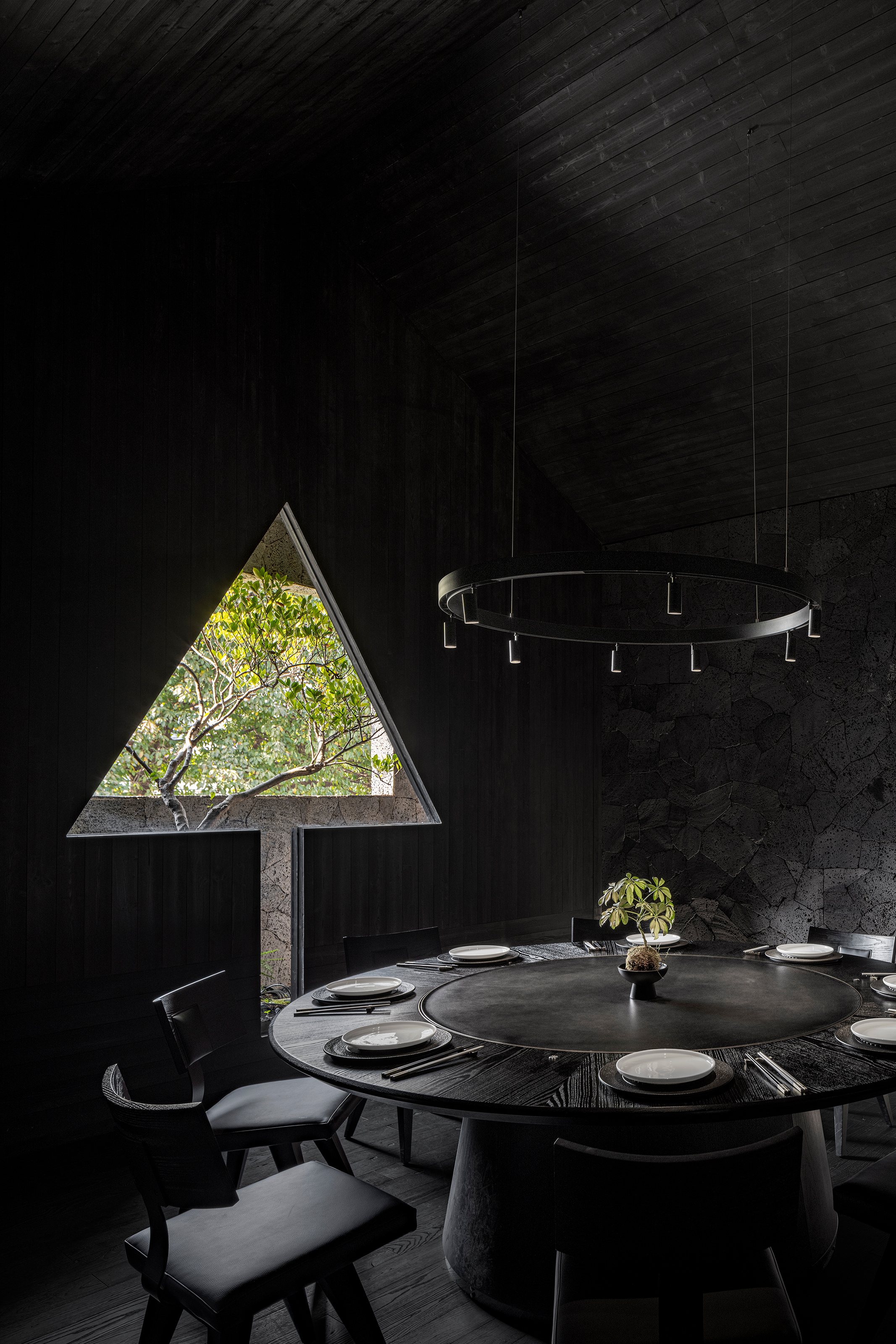
Located on the edge of the city, this all-black restaurant is conceived as a sanctuary of silence and light. Crafted from volcanic stone and oak, the space explores the dialogue between mass and nature. Staggered square windows invite light to dance across walls and tables. A sculptural black wooden staircase connects the three floors, while private dining rooms open to quiet courtyards. Custom-designed black chairs blend modern Western spirit with Eastern gravity—capturing emotions, memories, and solitude in time.
Winner
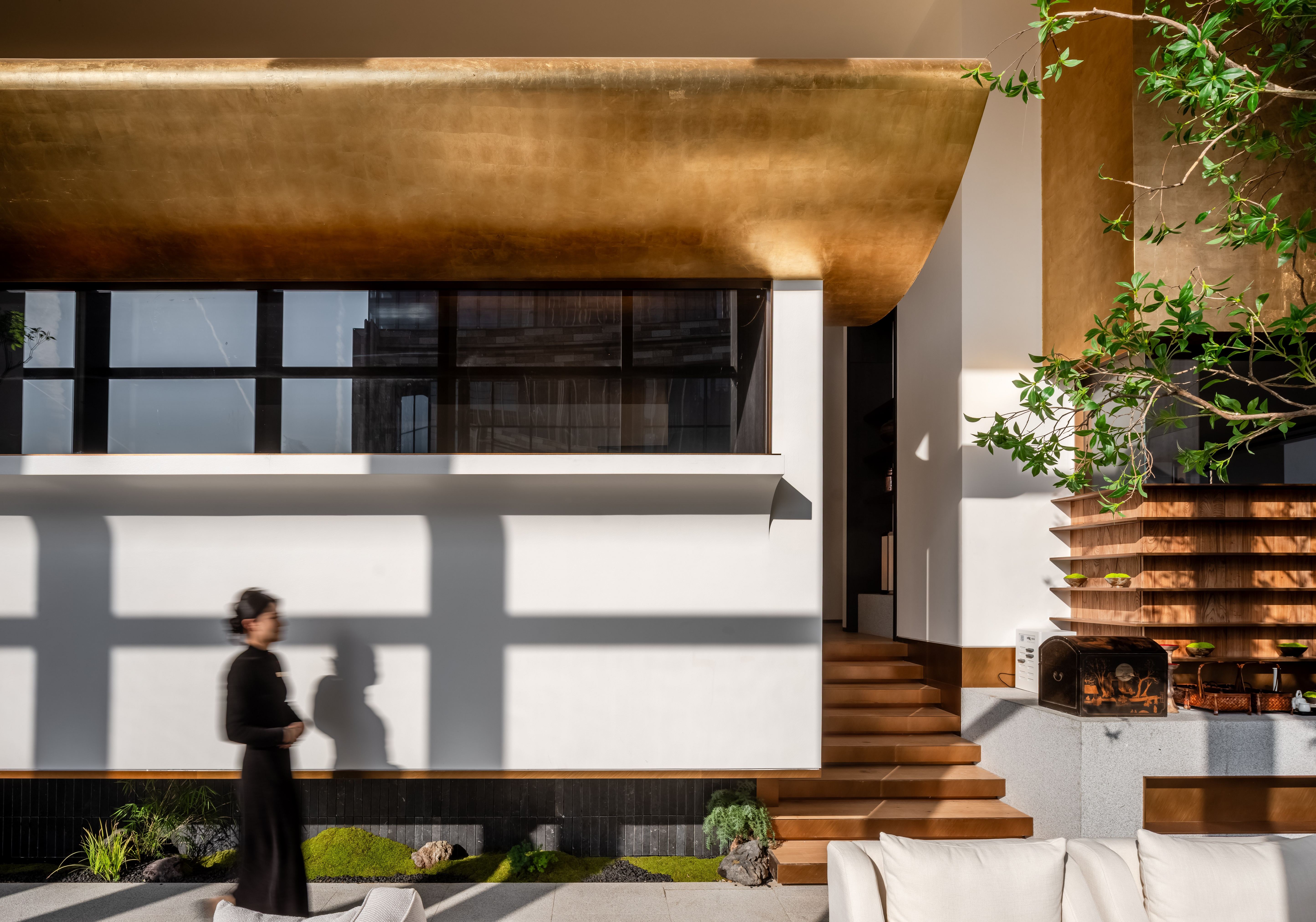
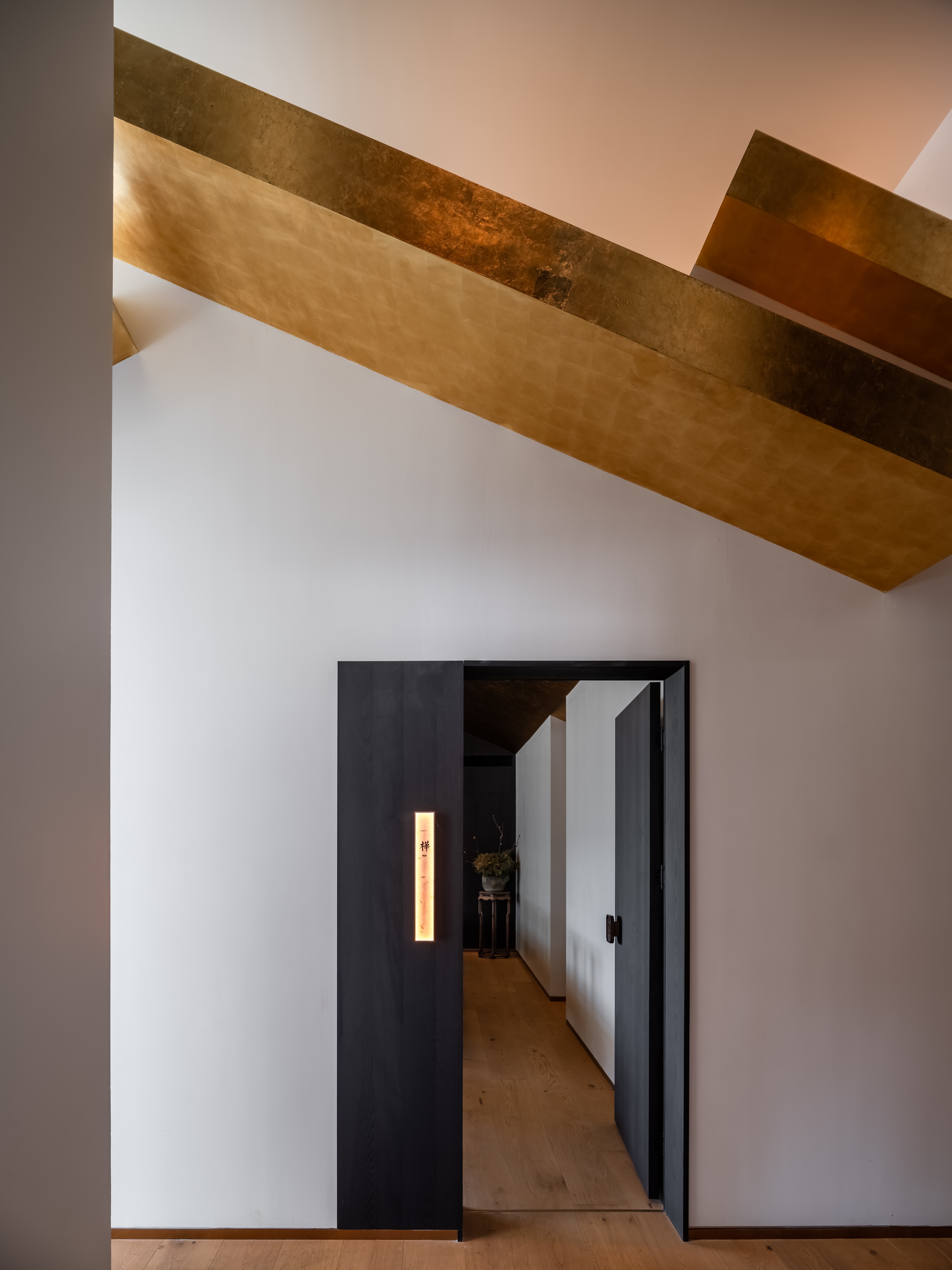
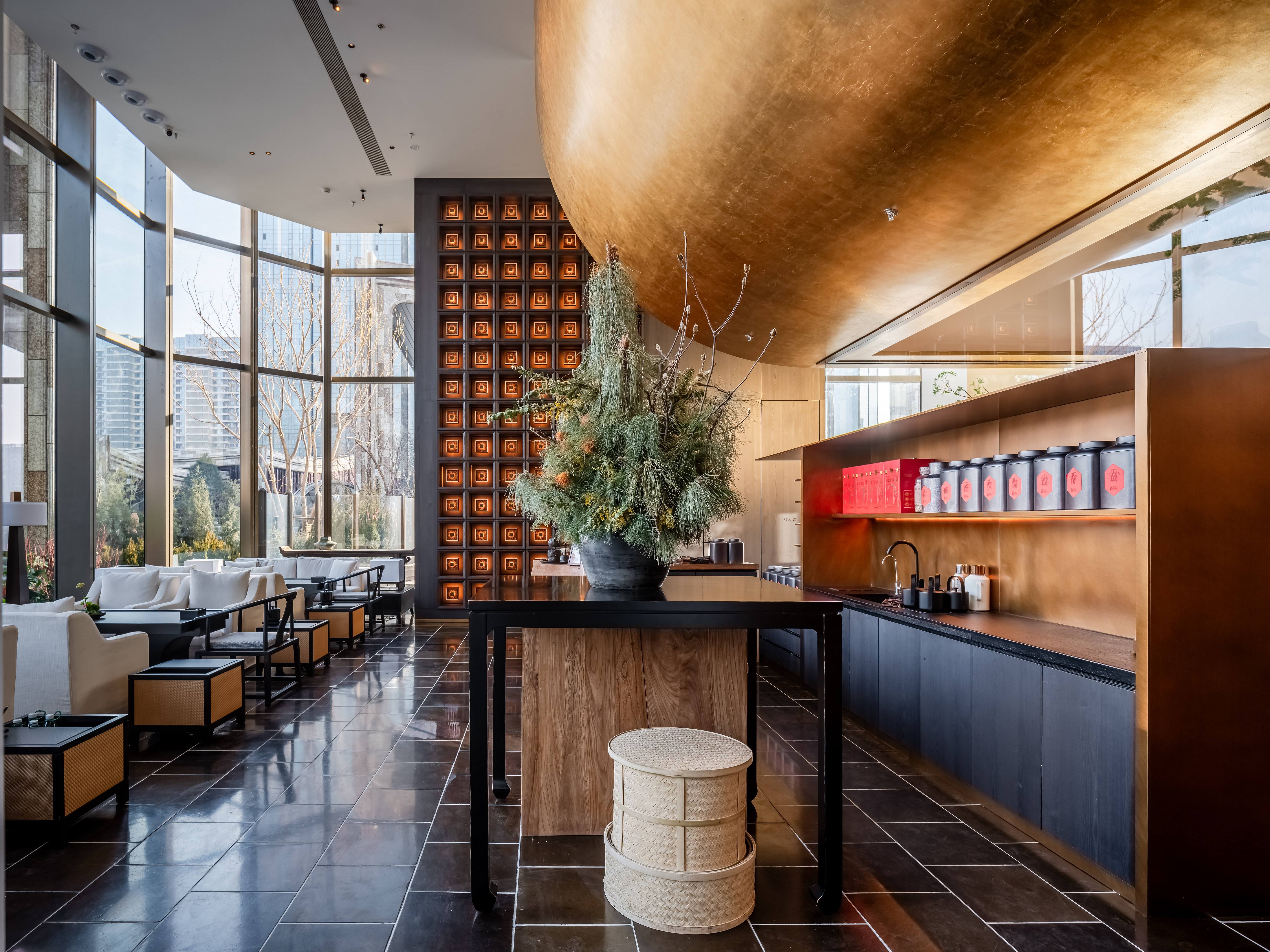
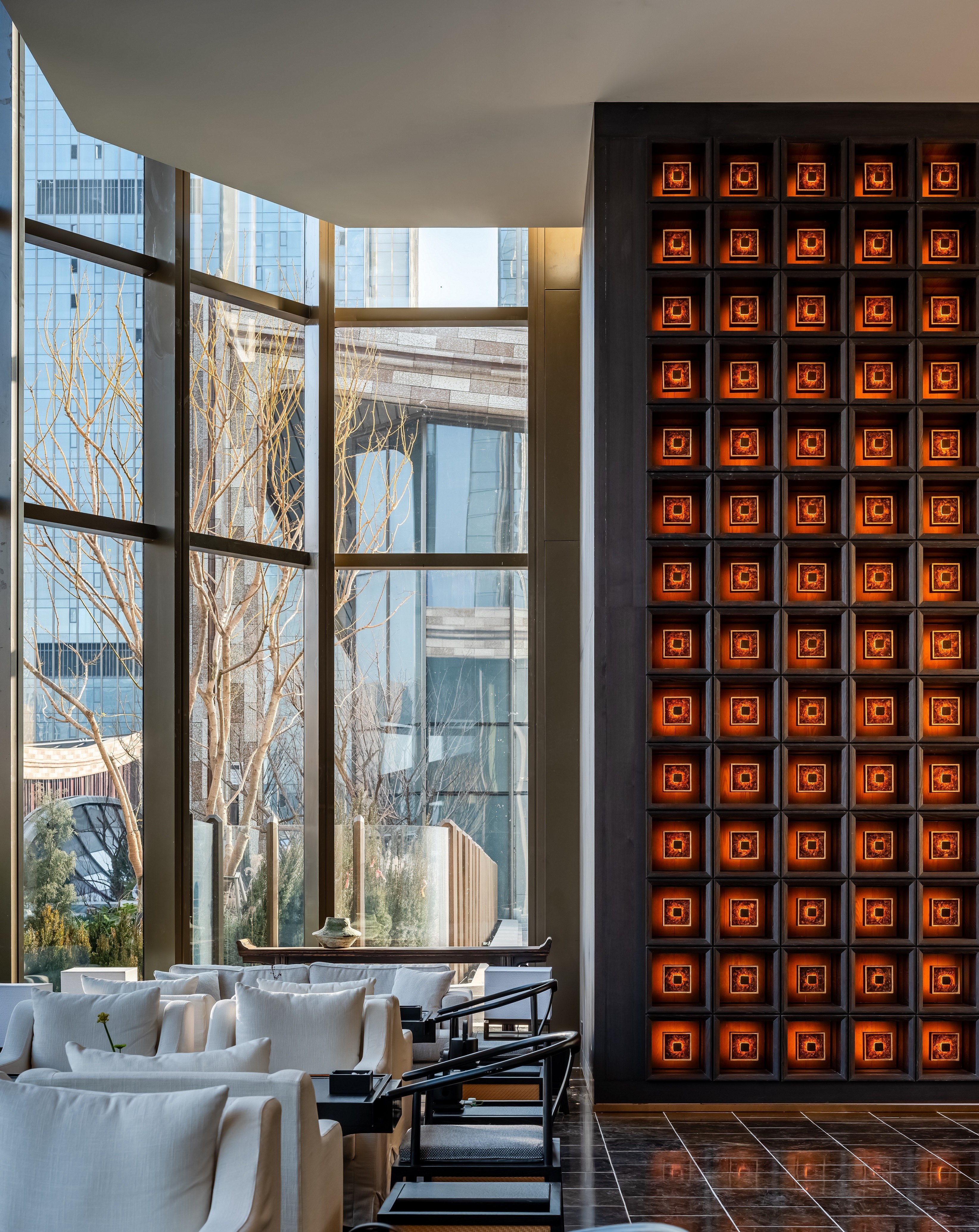
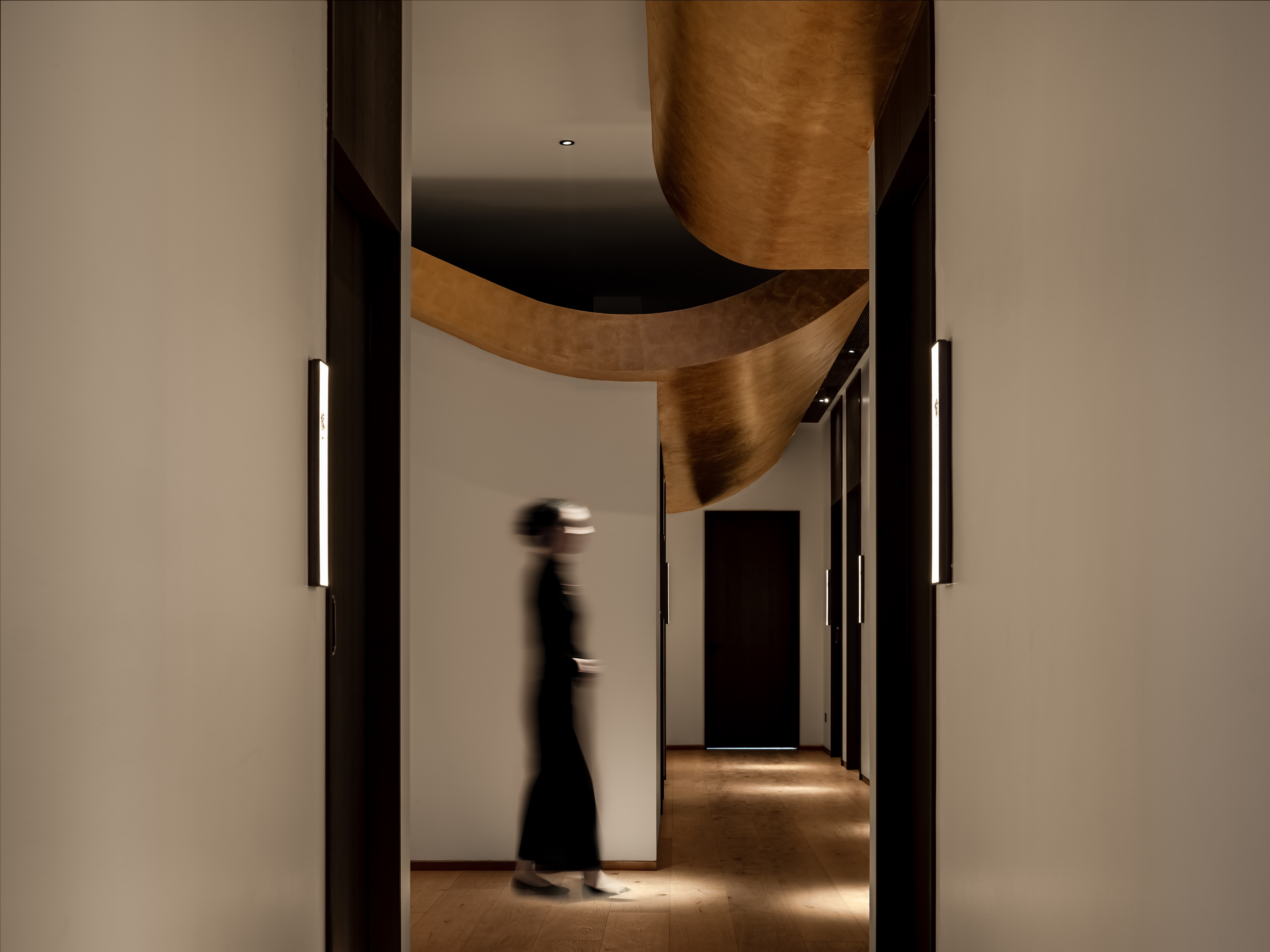
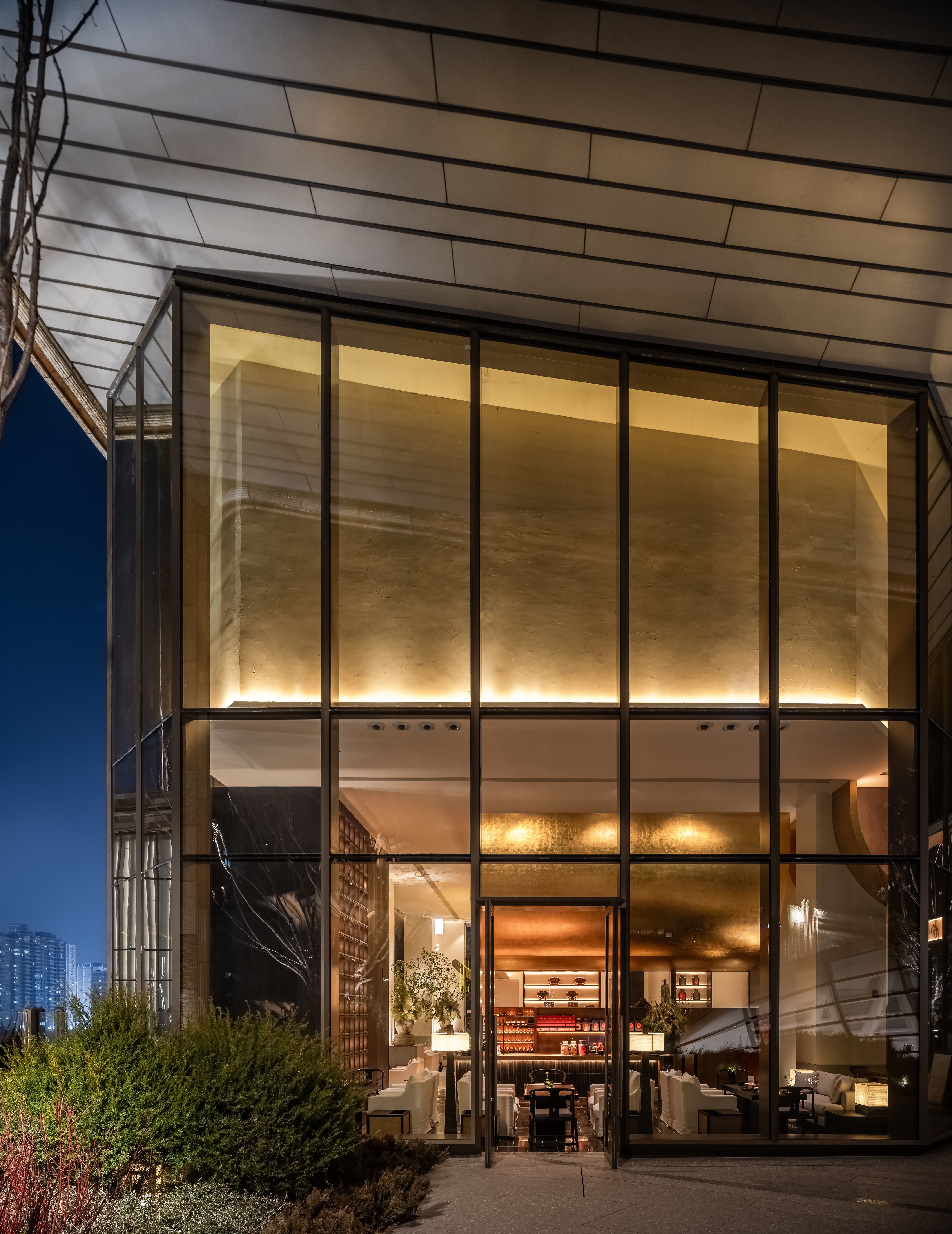
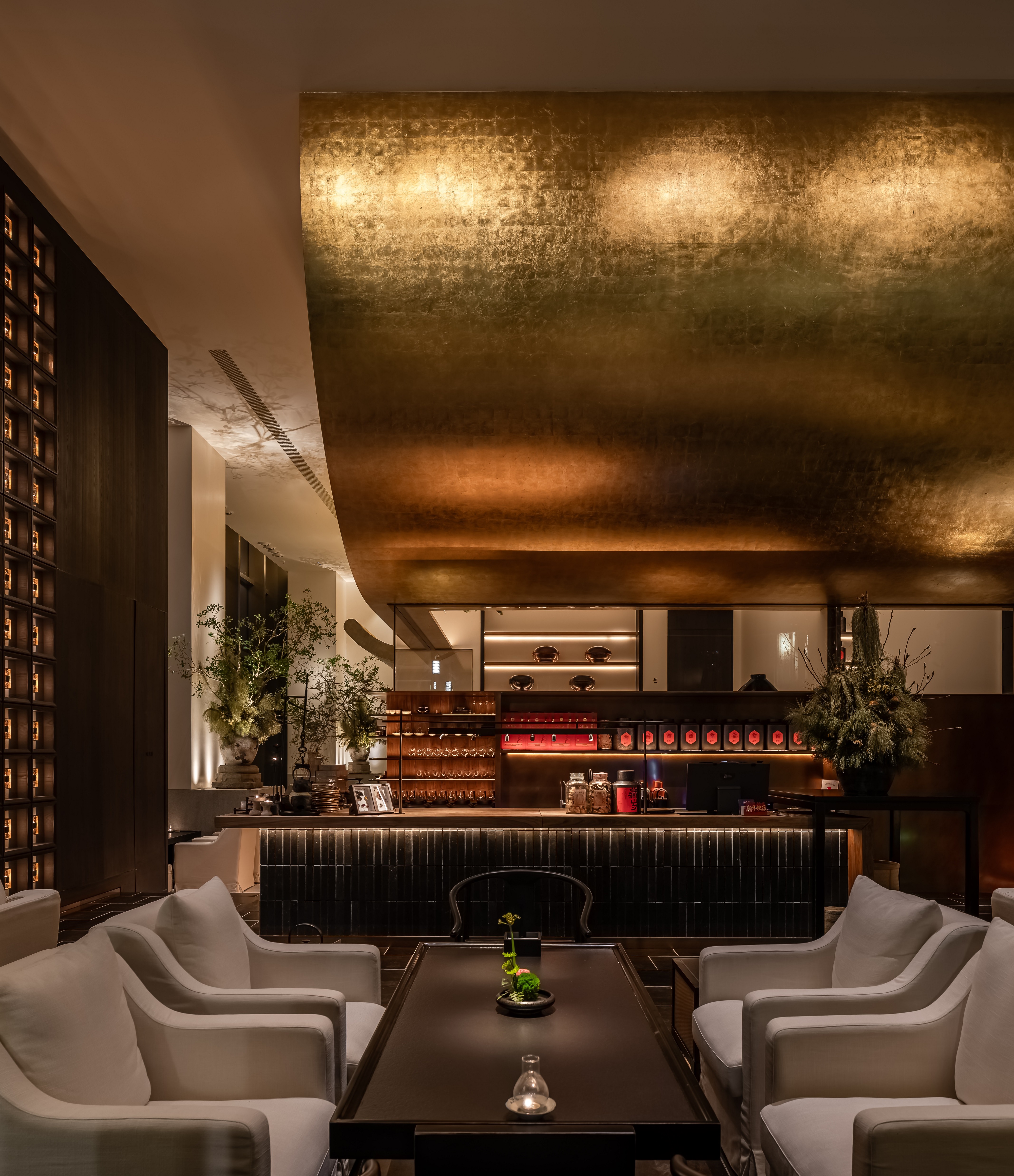
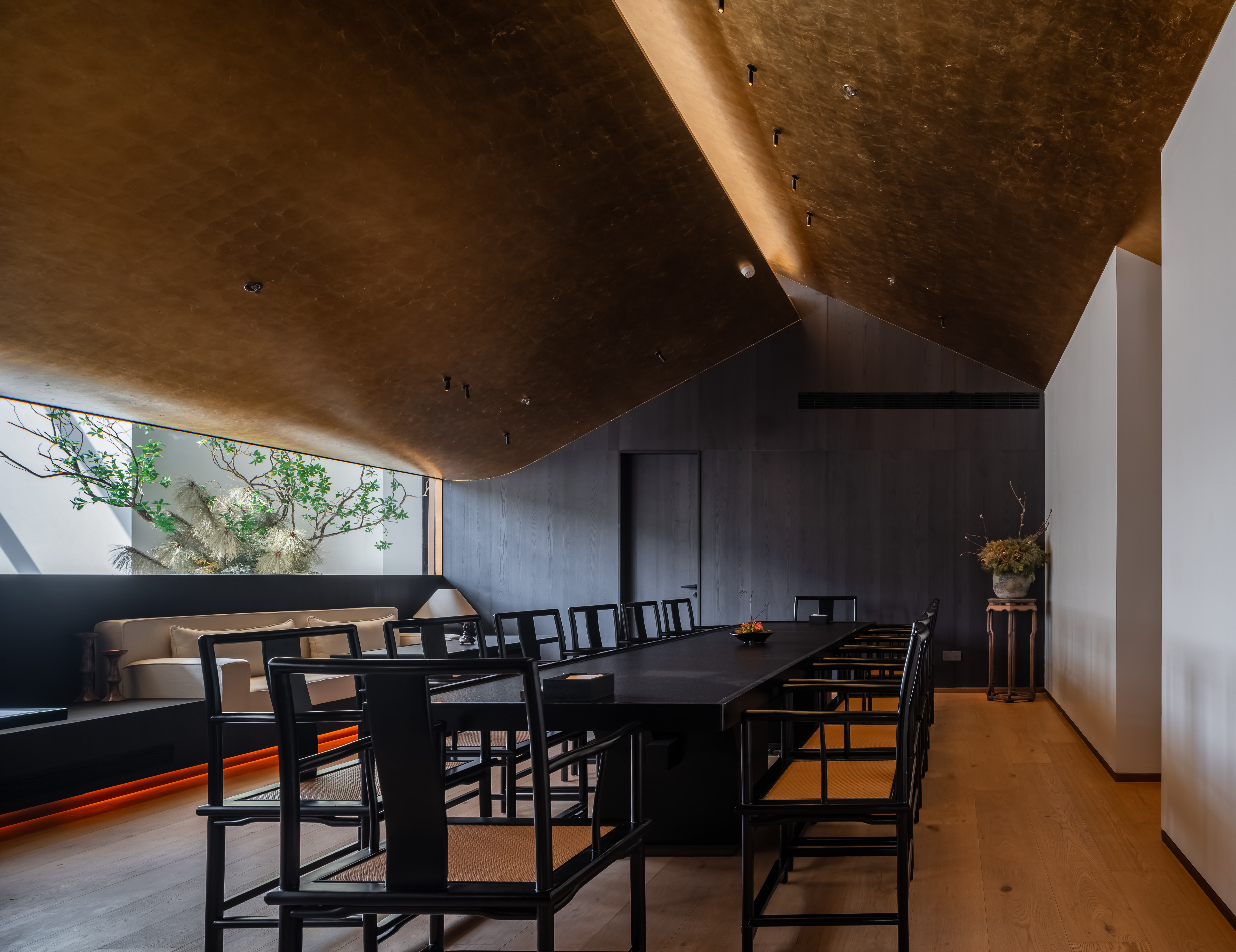
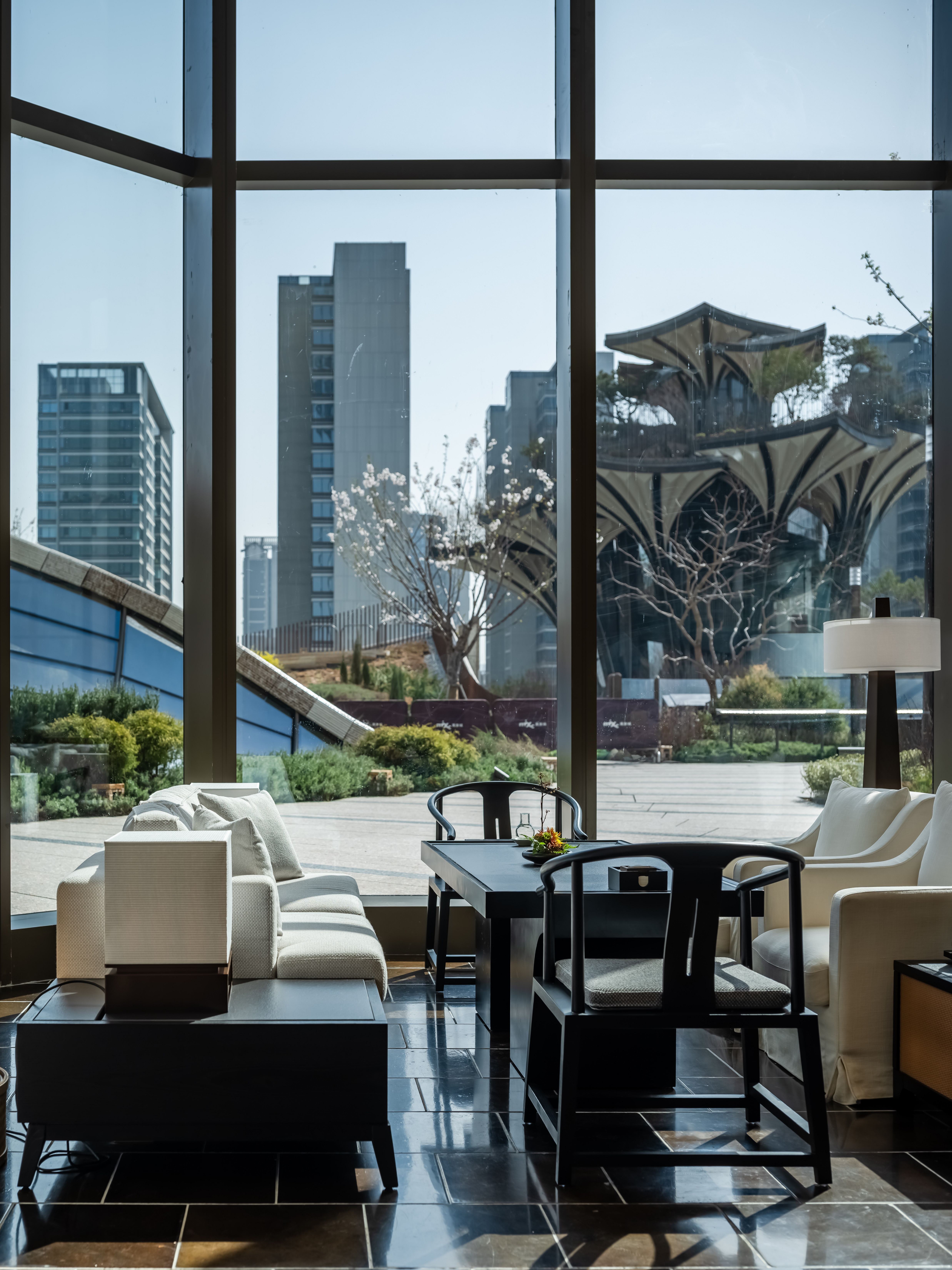
The inspiration of the gold leaf comes from the ginkgo tree under the ancient Guanyin Zen Temple at the foot of Zhongnan Mountain, and the light of a thousand years has been translated into 60,000 gold leaves in the space. When the sun shines through, the gold leaves project flowing and changing light shadow. In our own way, we imply the vitality of the thousand-year-old ginkgo tree, and have a dialogue with the "tree of life" outside window.
Winner
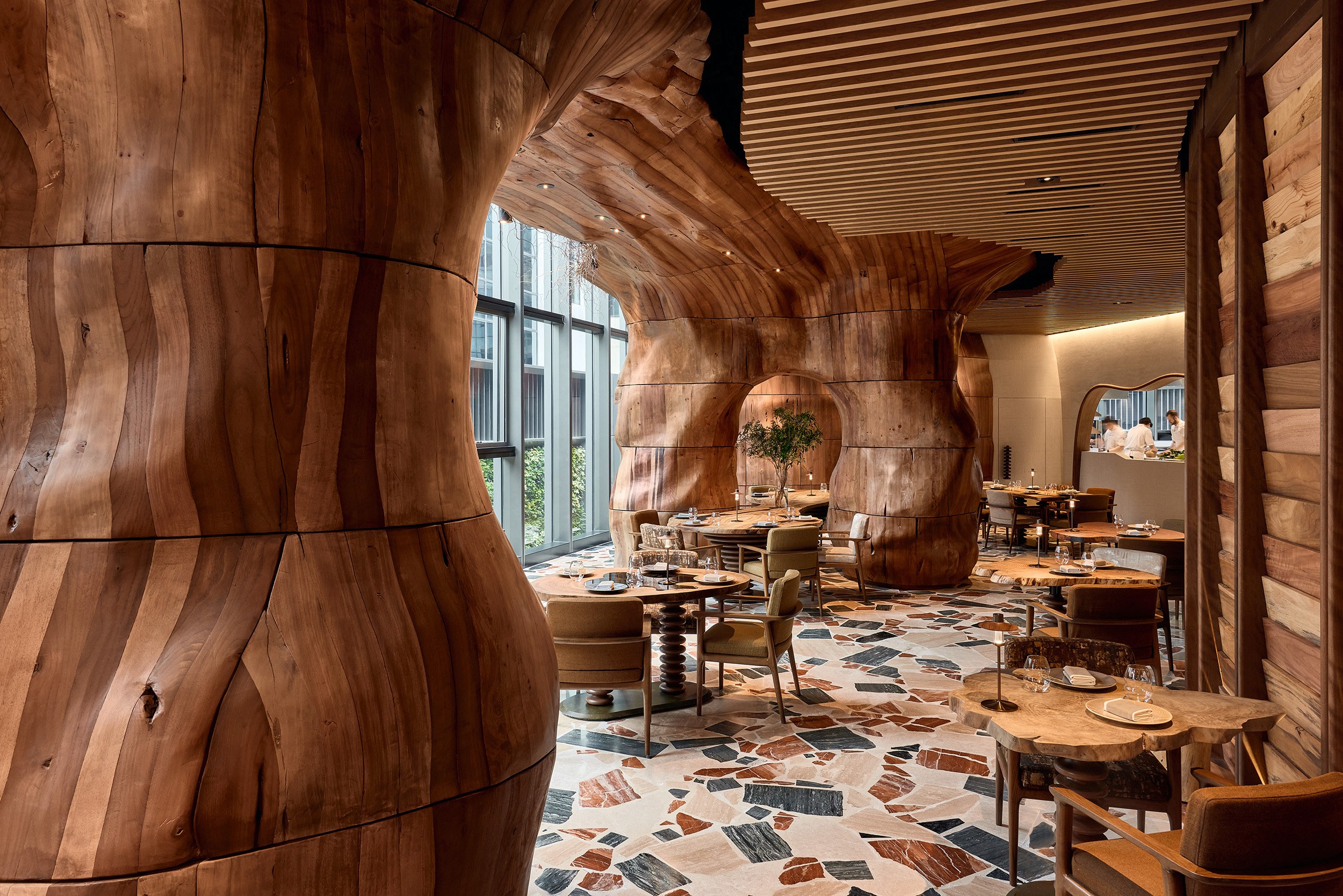
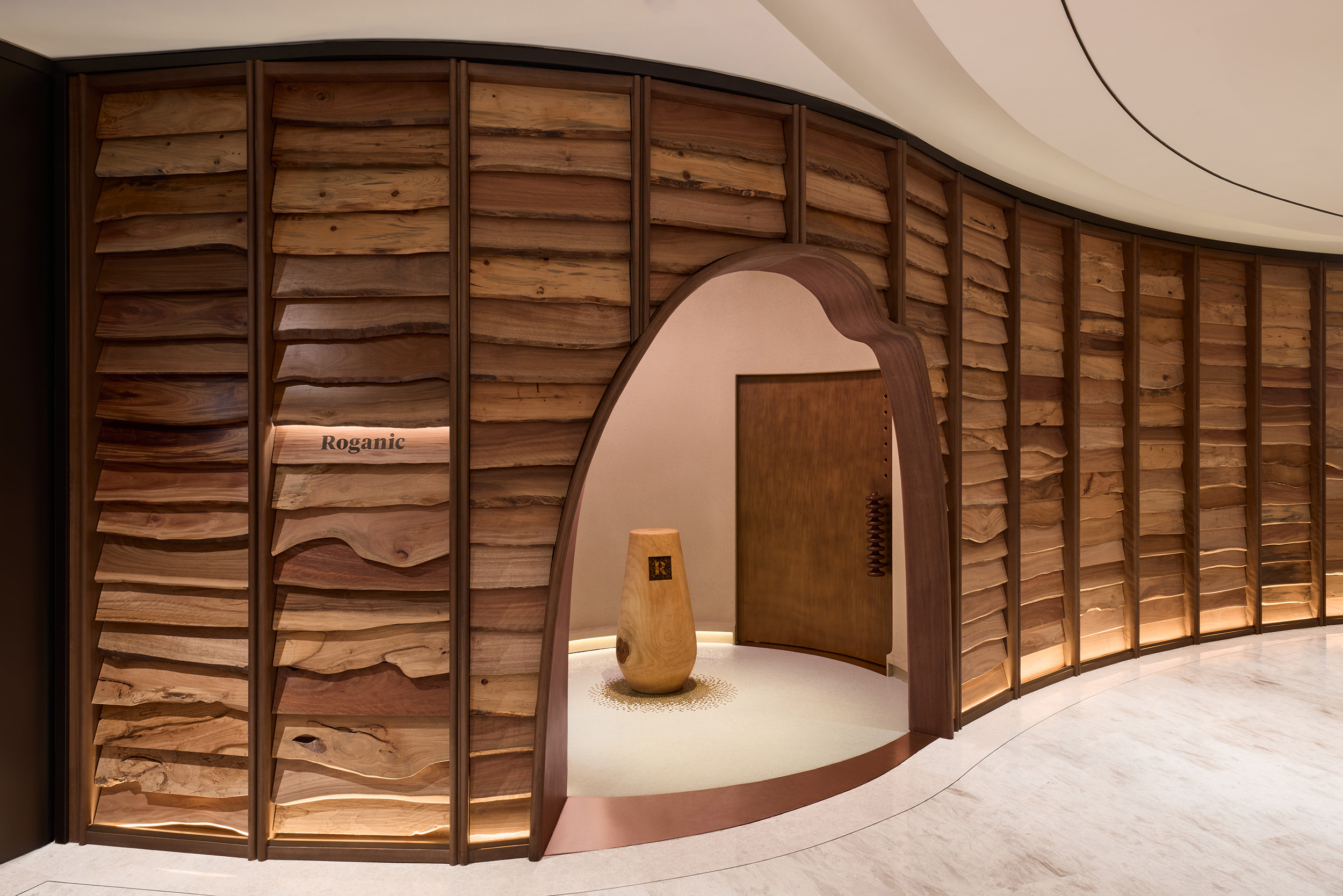
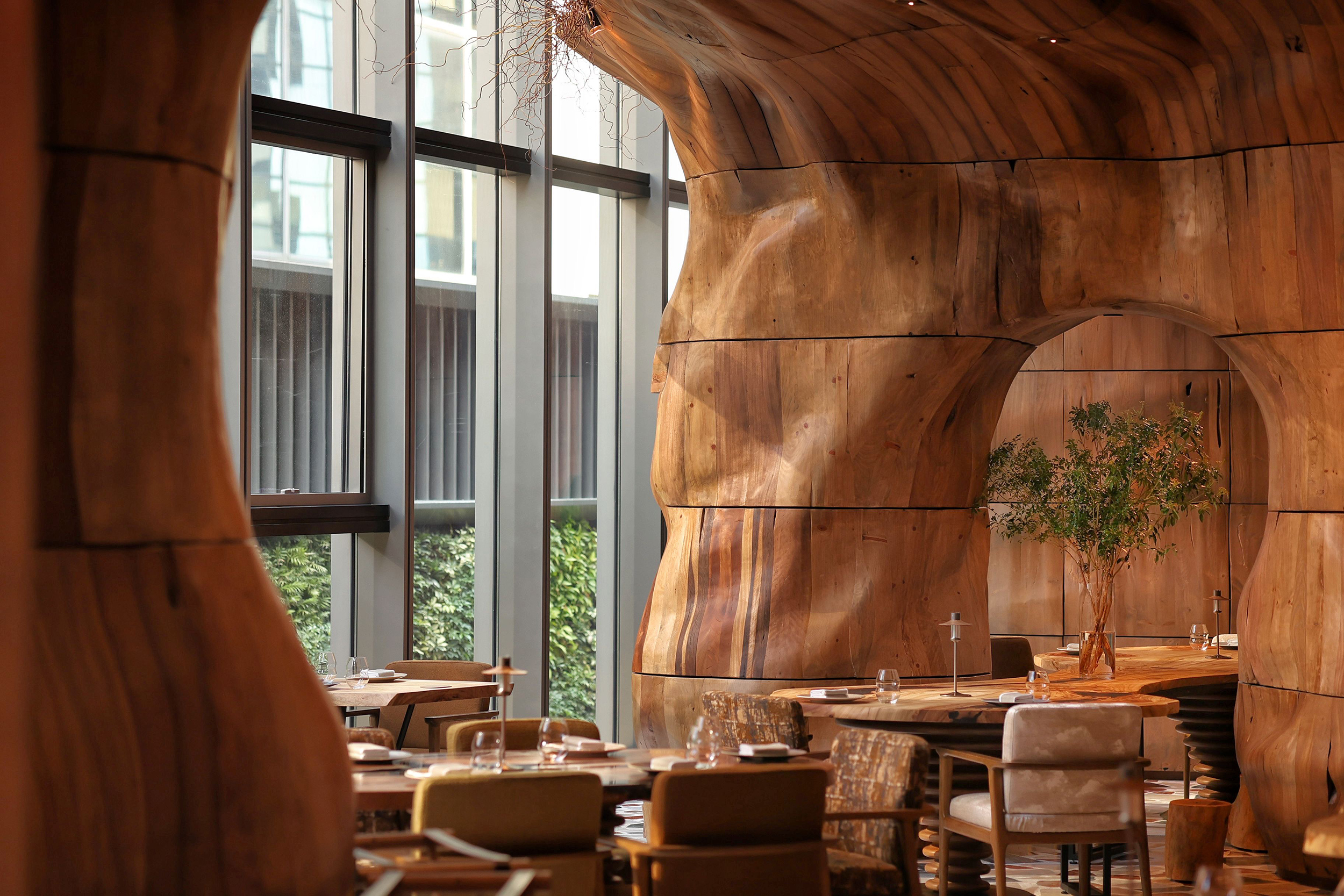
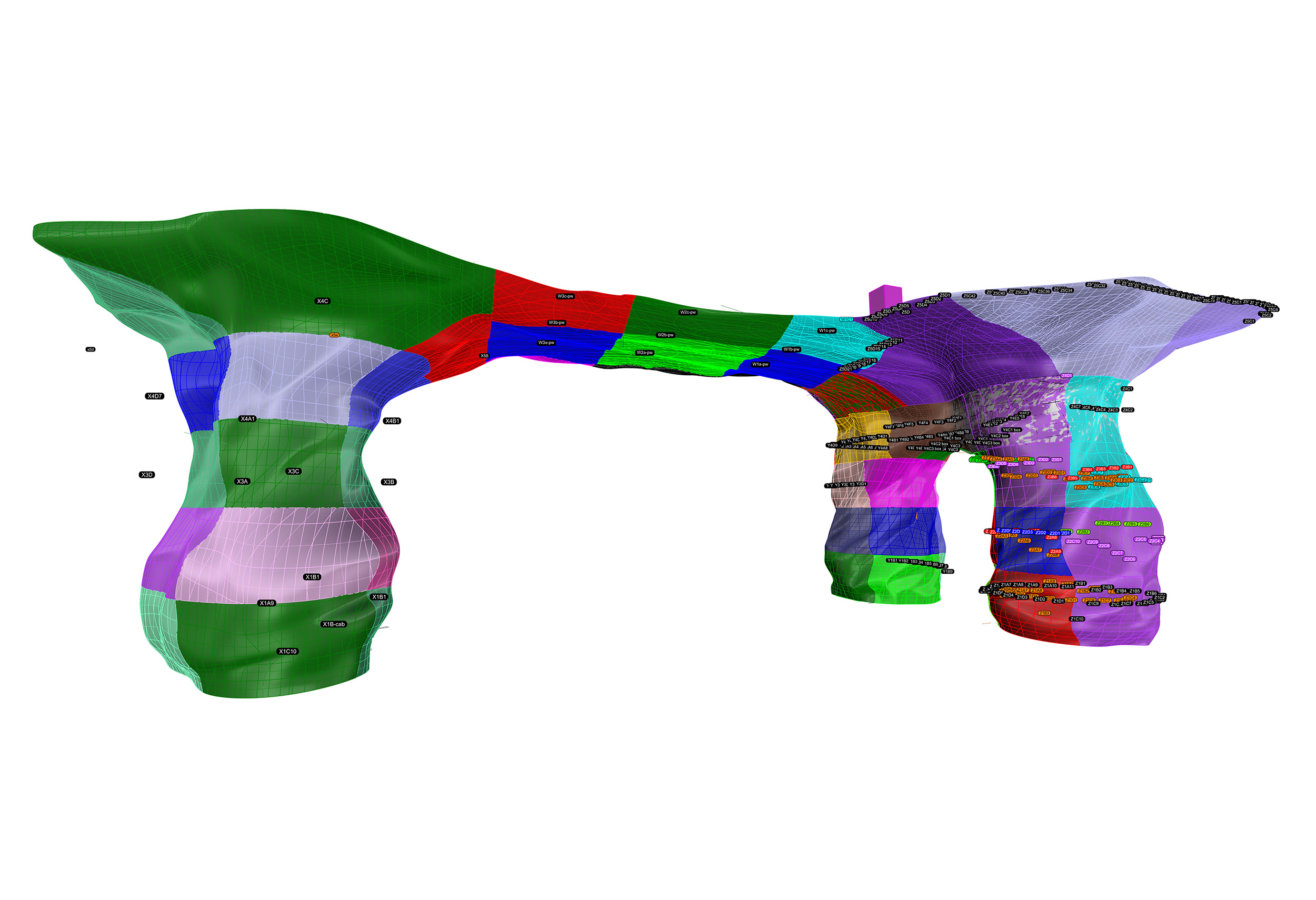
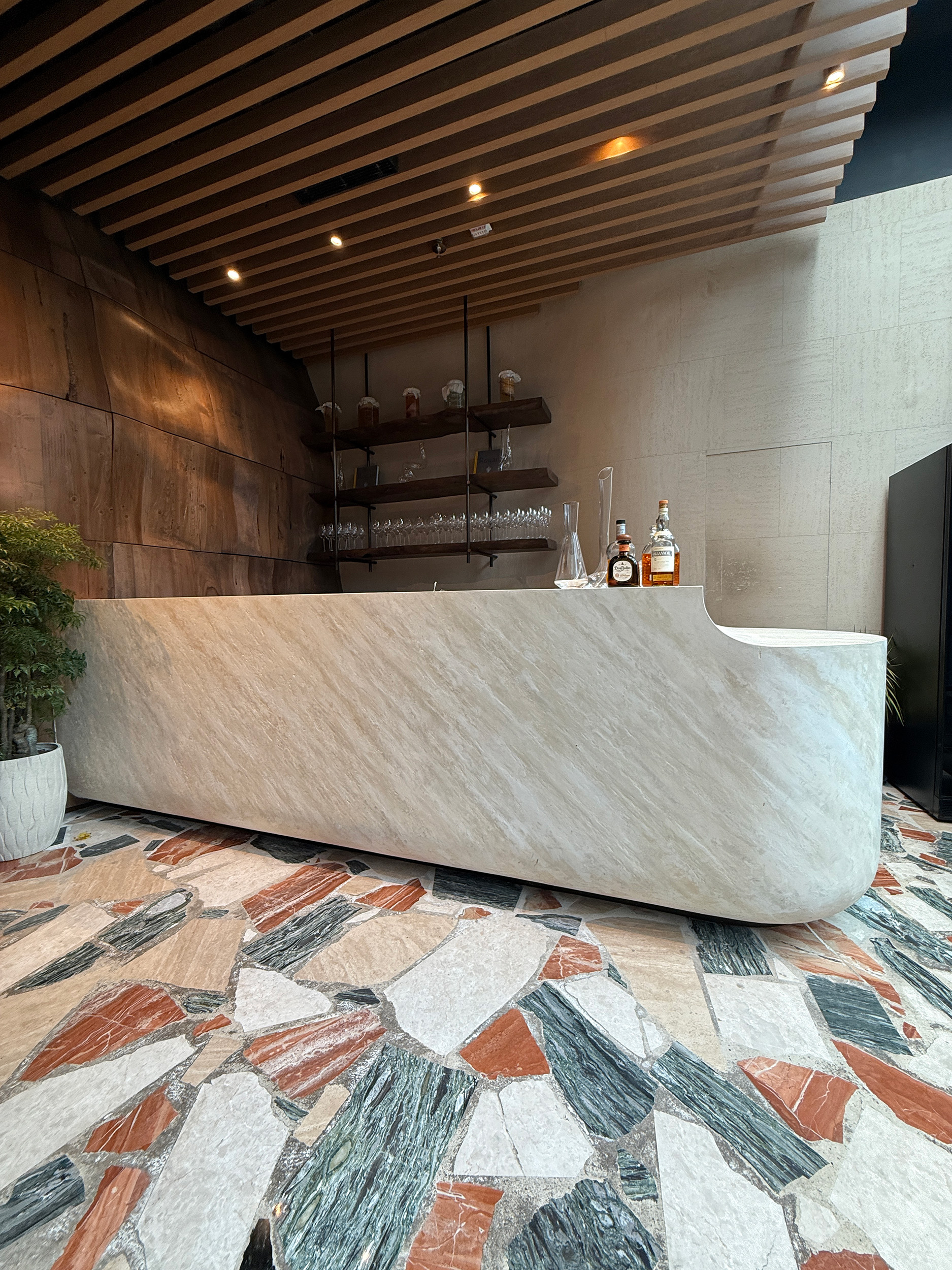
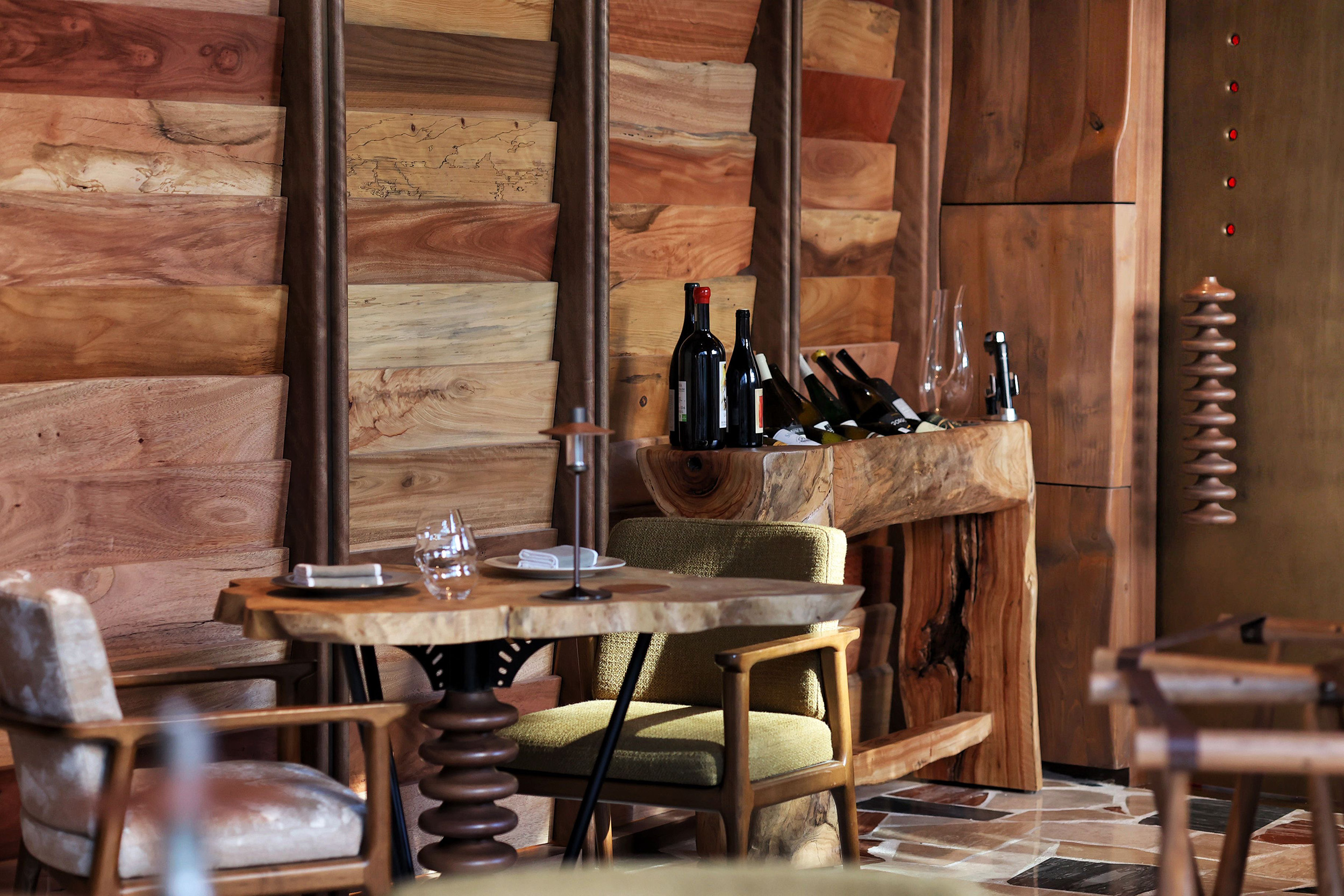
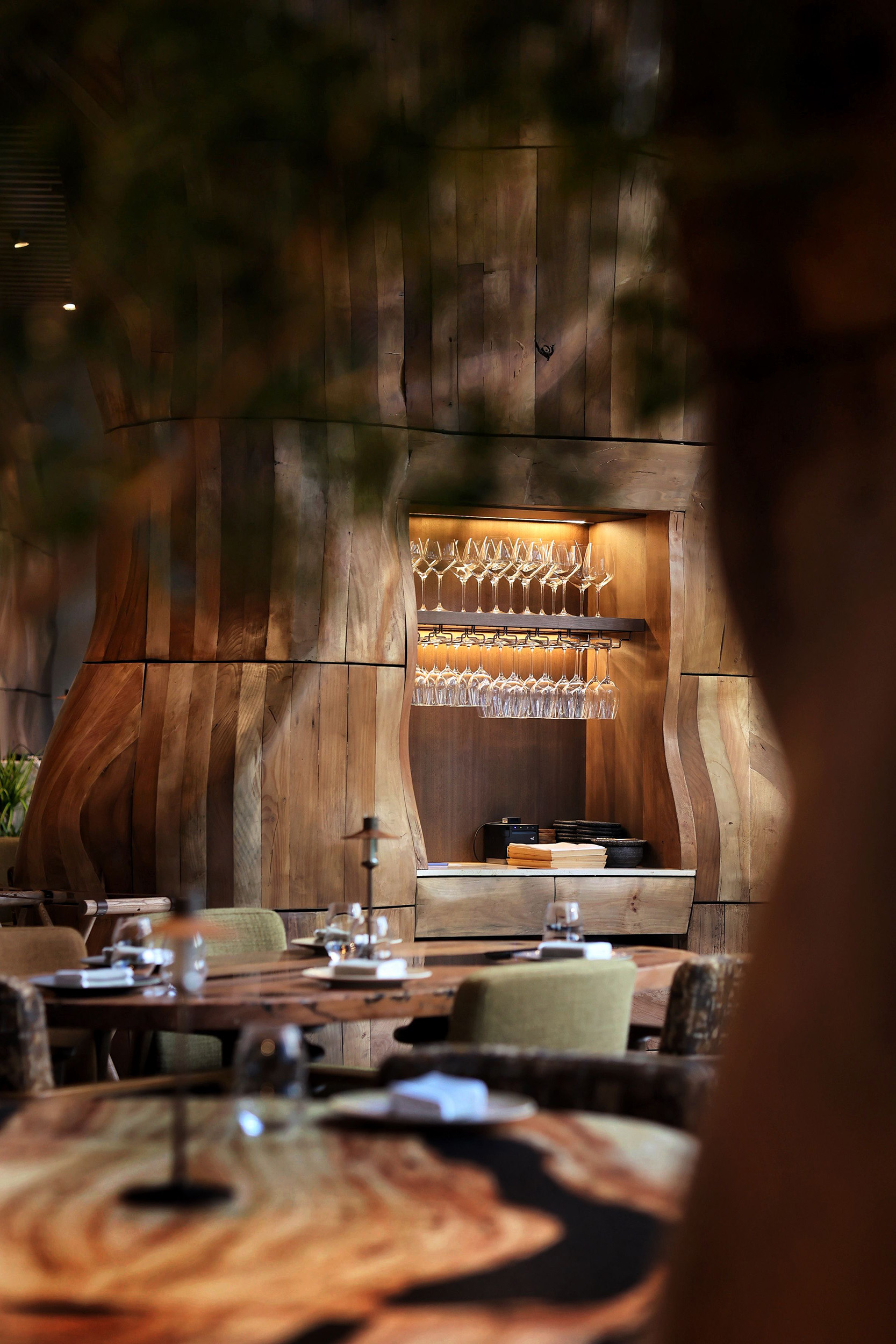
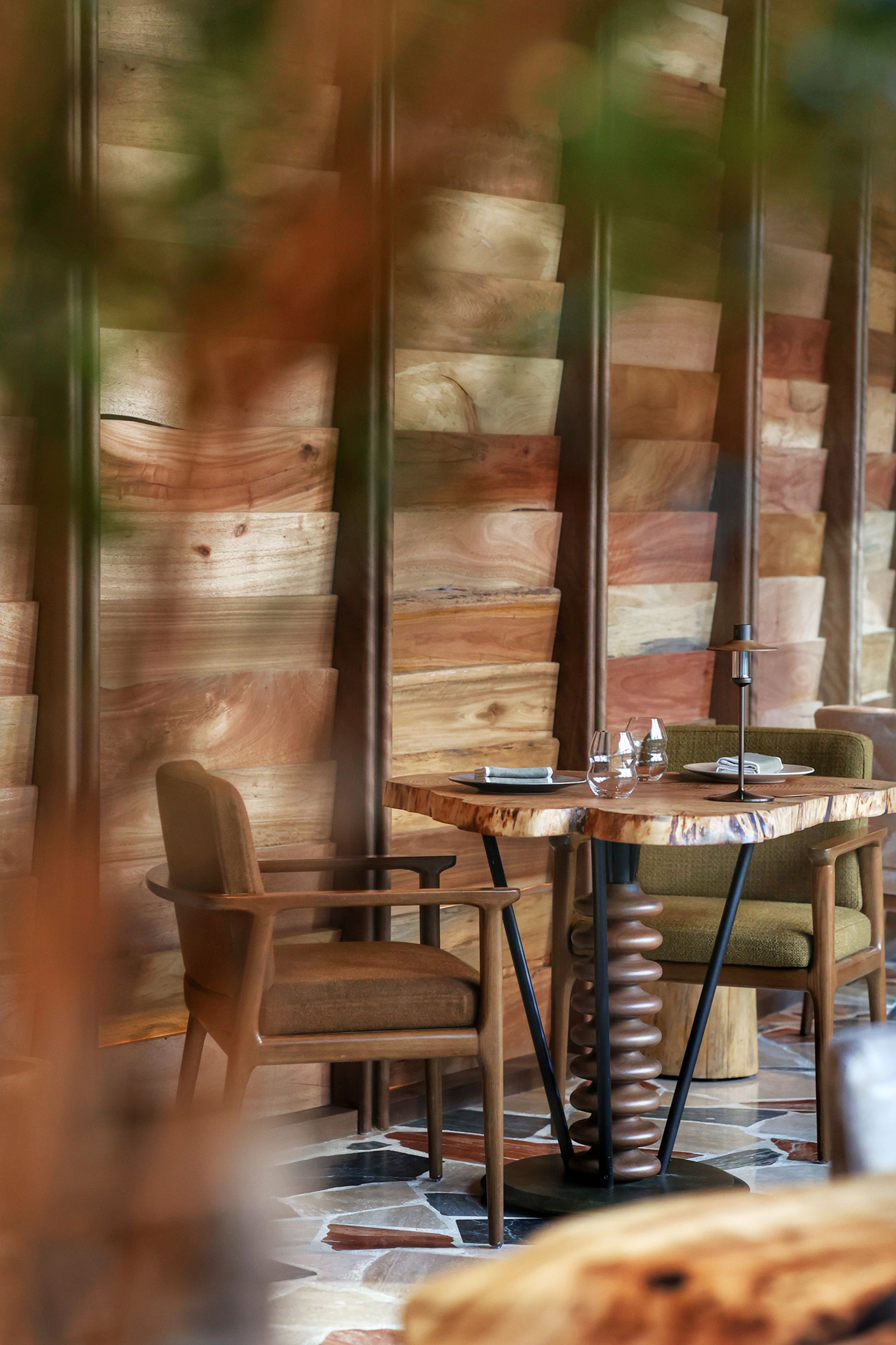
Roganic’s philosophy pushes the boundaries of farm-to-table dining and sustainable gastronomy. The client wished to extend Chef Simon Rogan’s zero waste dining ethos from the menu to its new interiors in Lee Garden. An immersive dining experience for its premium diners with sustainable local materials. The material deployed in the interiors should be the manifesto of its own sustainable story, like each of the dining menu the Chef has created from the locally sourced farm. Locally felled tree timber from typhoon and development was salvaged and processed in Timberbank—a Hong Kong local eco-preneur. The team creates the forest dining room which covers the ceiling, columns, walls and tables. Each dining table characterizes with its own species and carried its story of the original tree happened to be felled. The floor was made from reclaimed marble. And the bar was coated in a paint made from oyster shells and stone minerals.
Winner
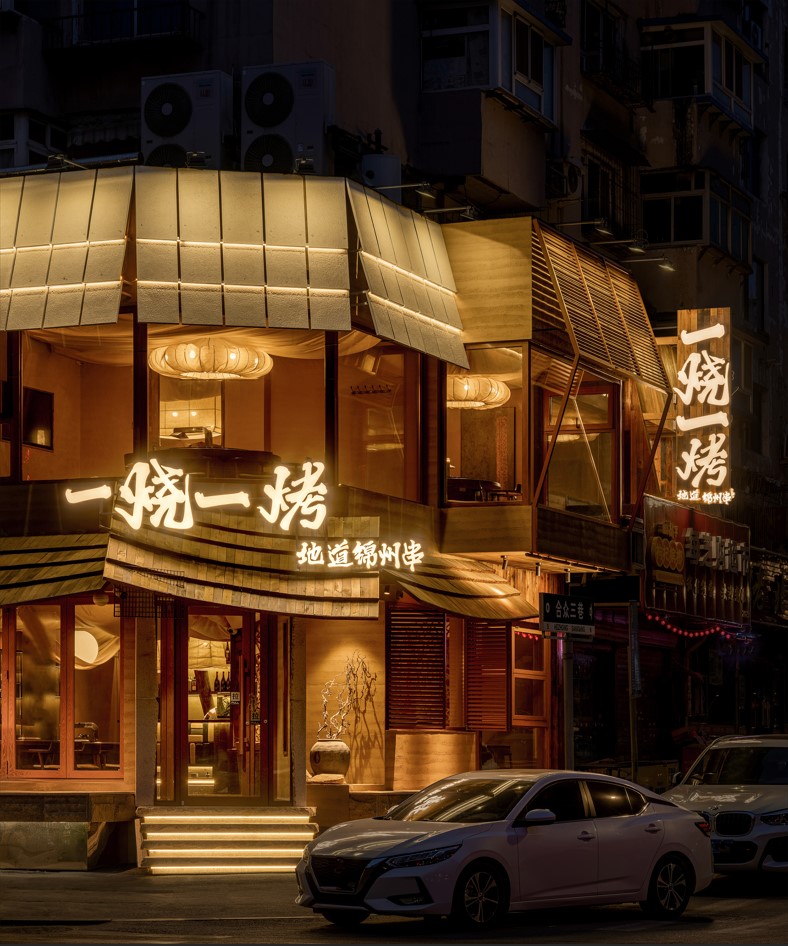
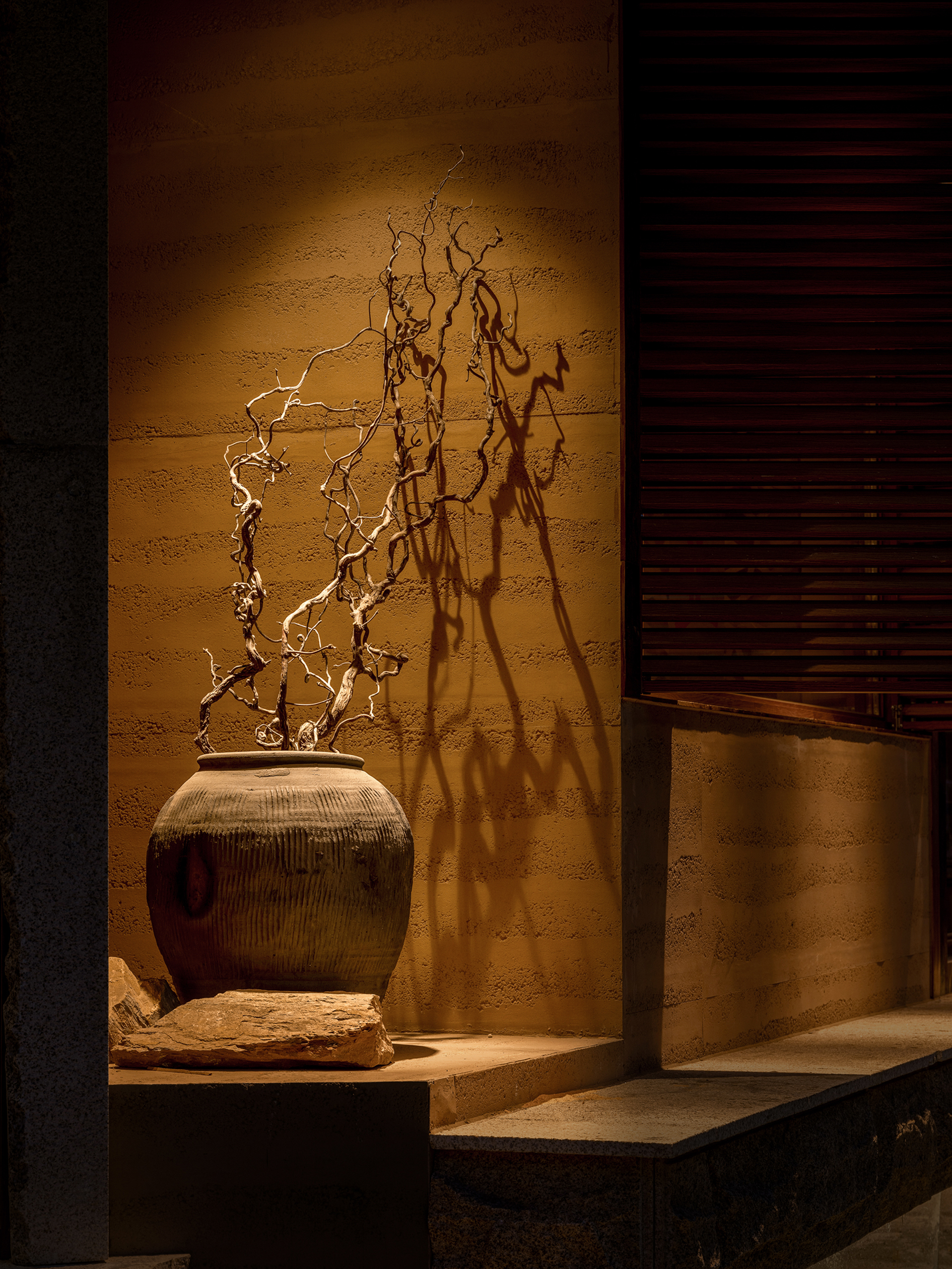
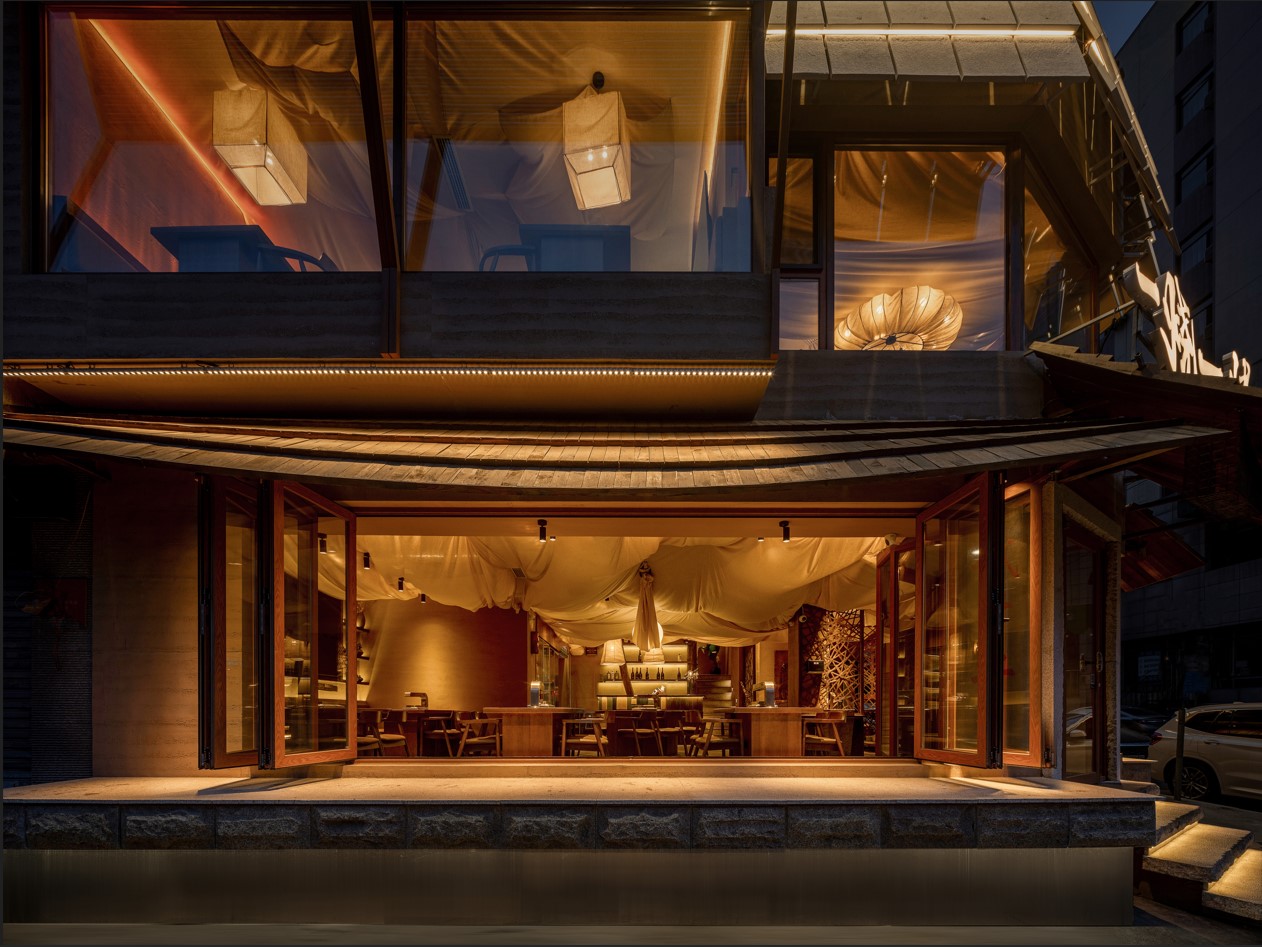
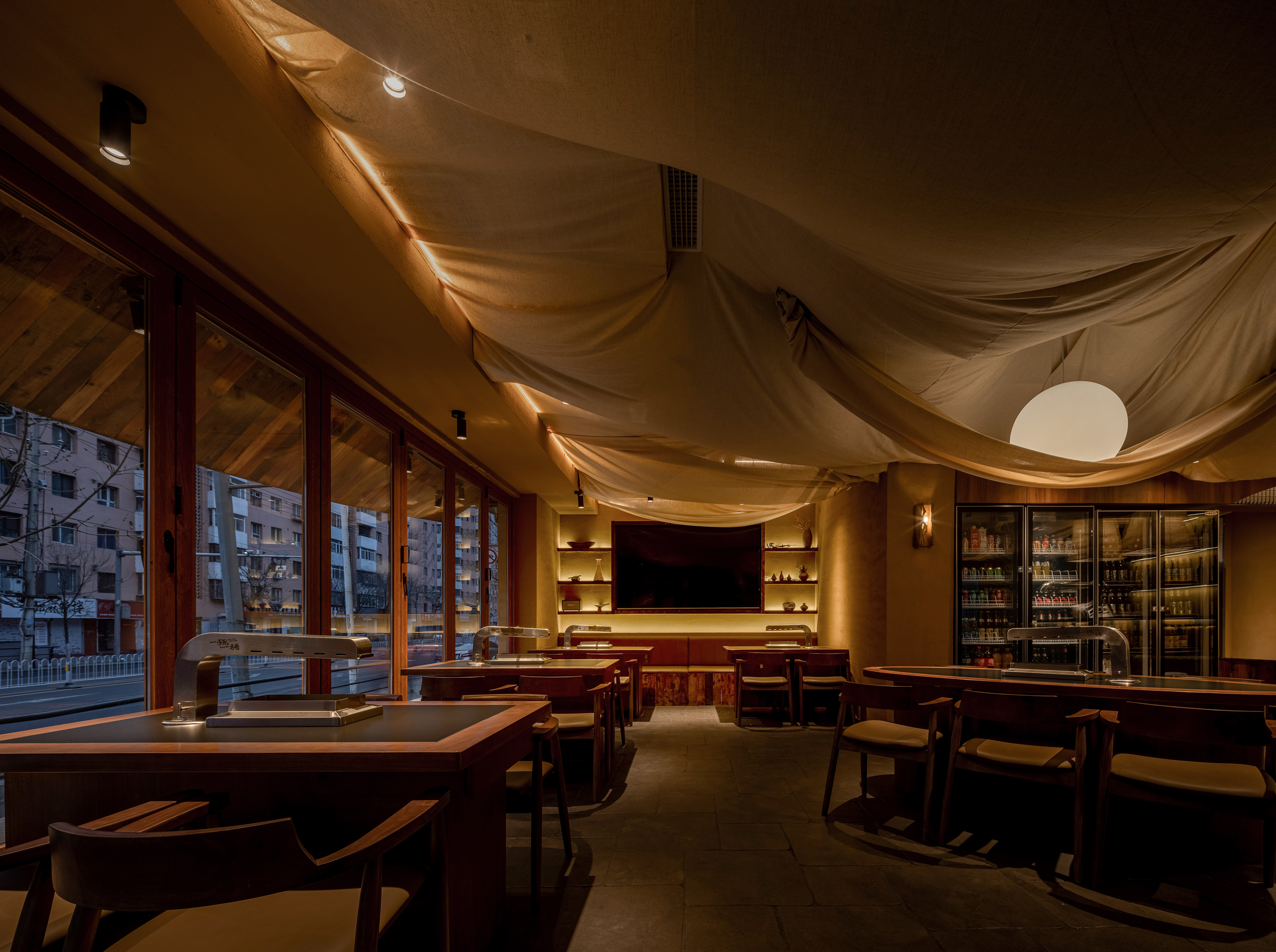
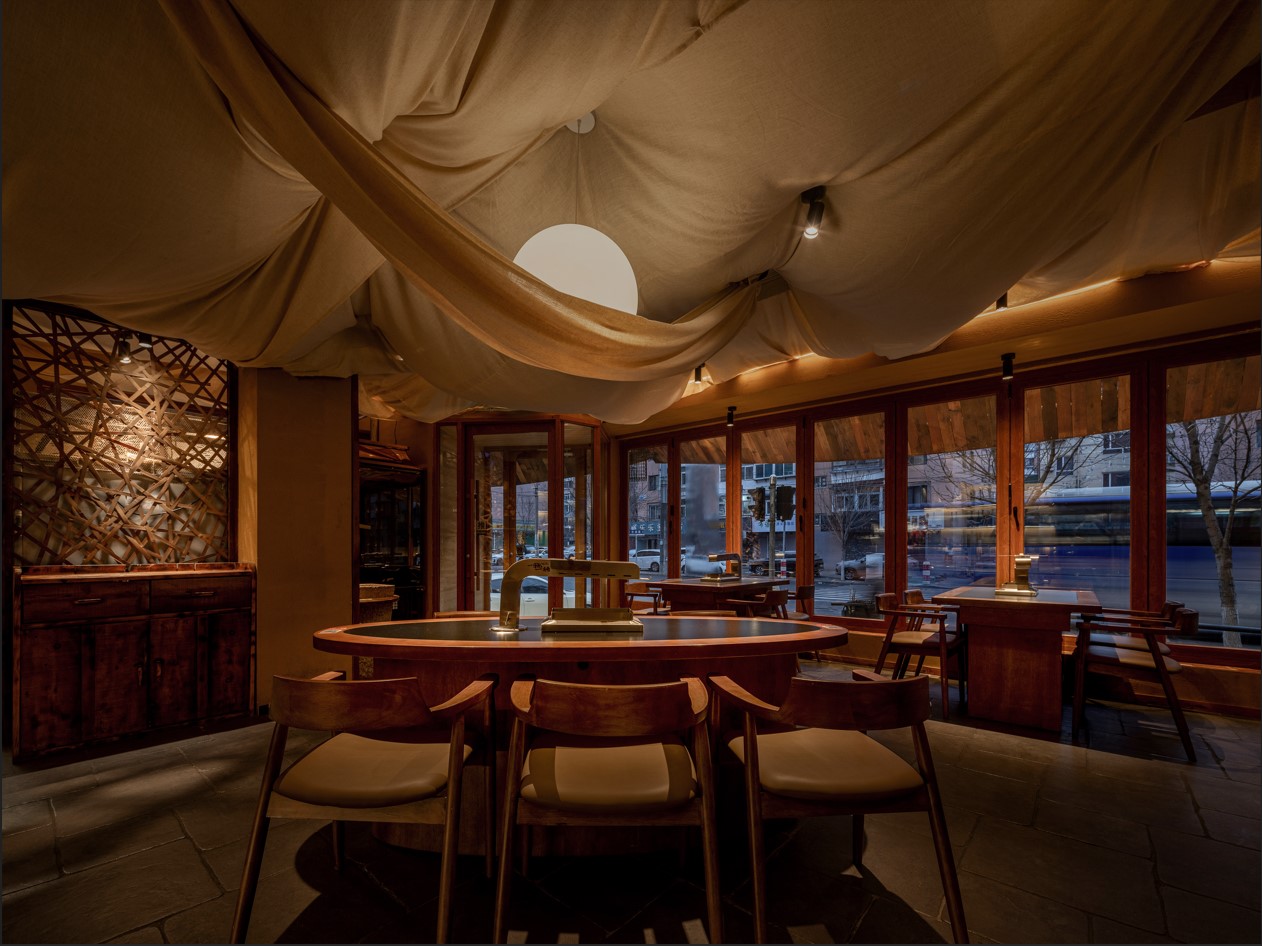
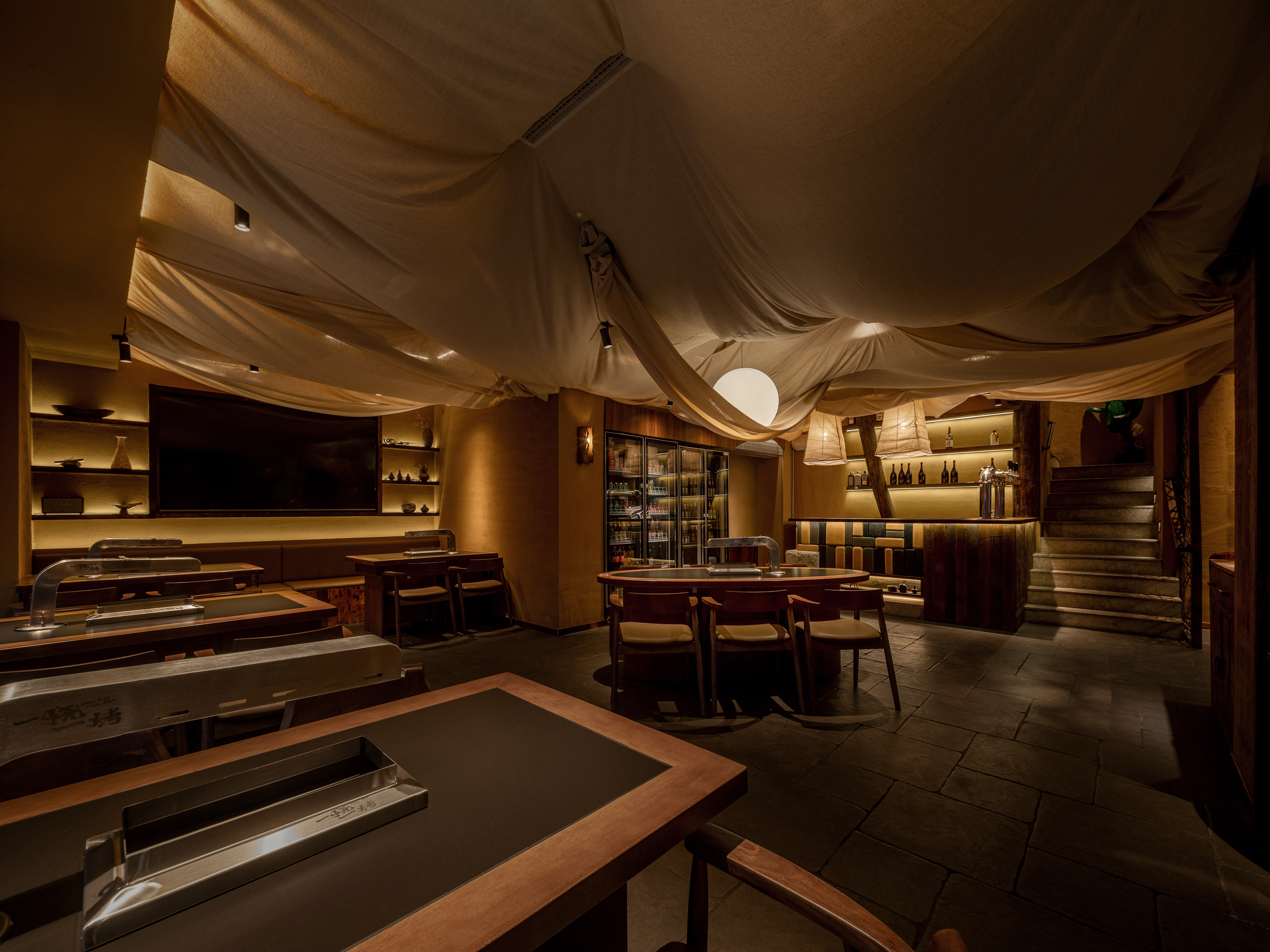
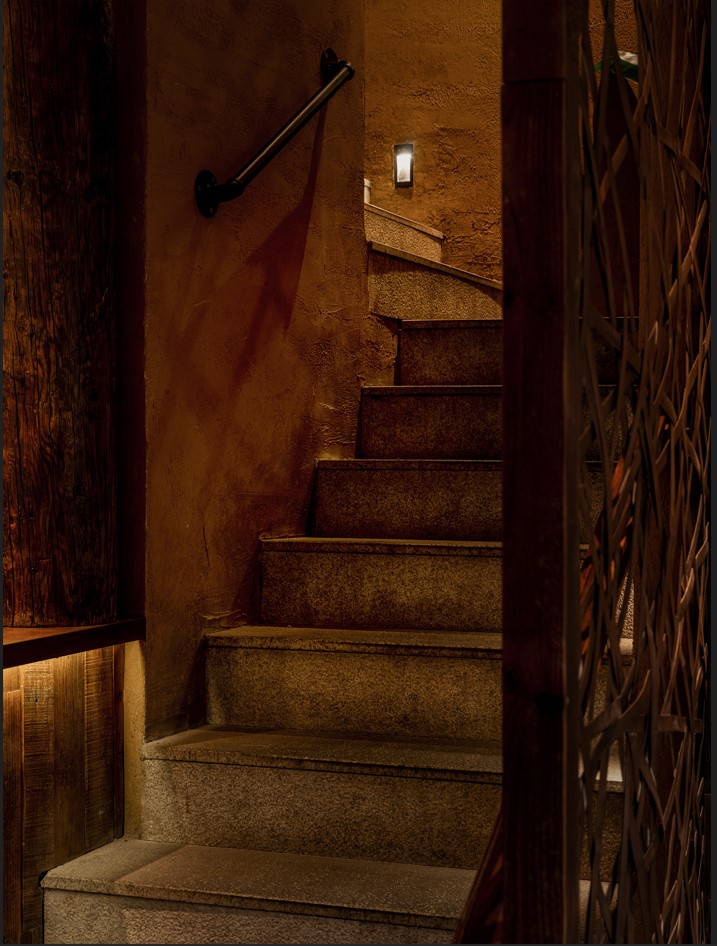
Sizzling Jinzhou Authentic BBQ Skewers, nestled in Shenyang, glows like luminous amber as the city lights awaken. Here, an intense longing for warmth and the hearth's embrace is born, where passion for life is infused into the aroma of every sizzling skewer.
The designer, deeply attuned to the city's spirit, delves into Northeast China's natural textures and cultural soul. With "Shanye Feng" (rustic wilderness essence) as its backbone and the Northeastern ethos as its core, the space imbues the very name "Northeast" with a tangible cultural weight, savored through the heat of charcoal fire.
Authenticity is never a polished act—it’s the raw, earthy truth.
Winner
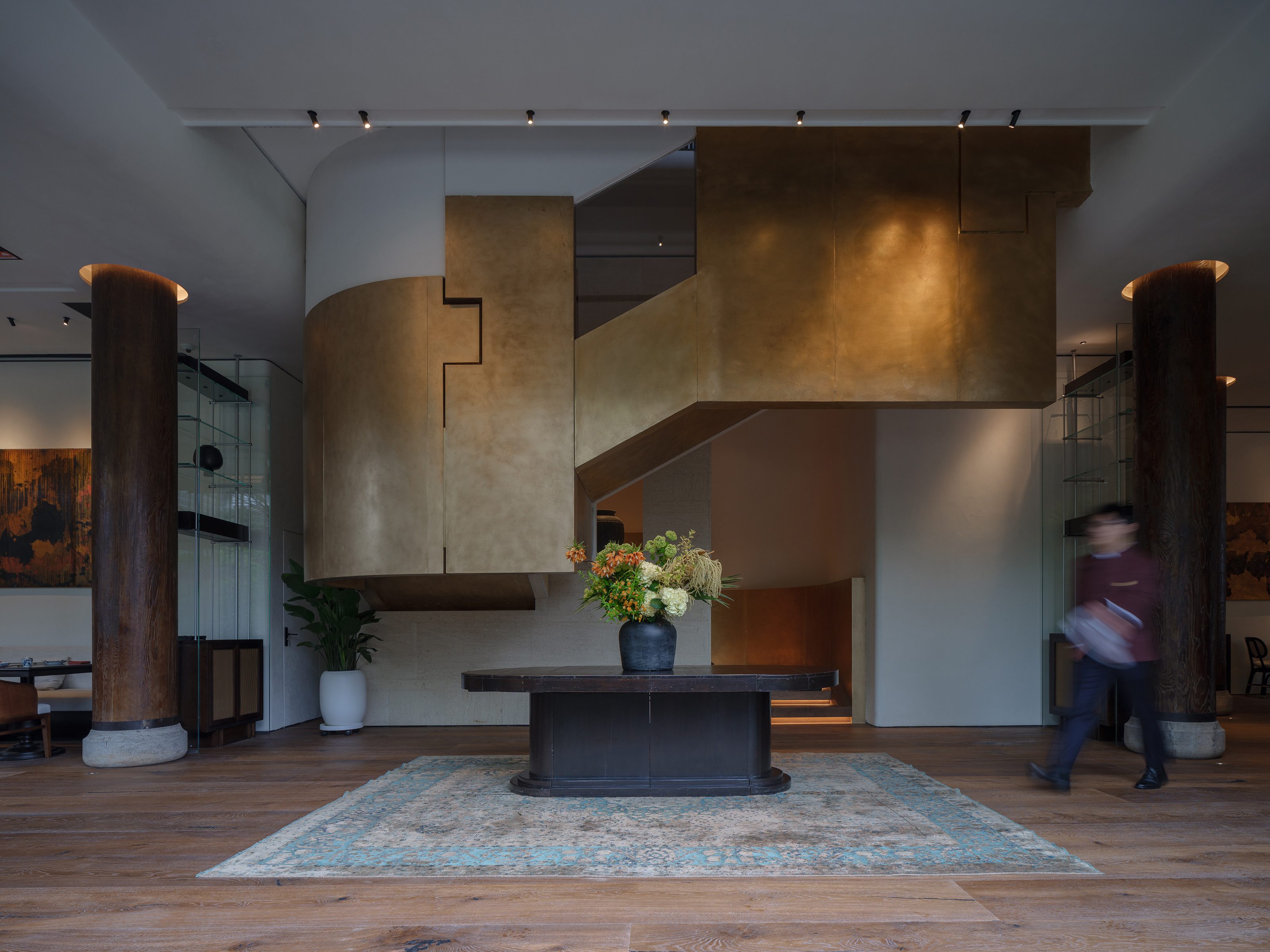
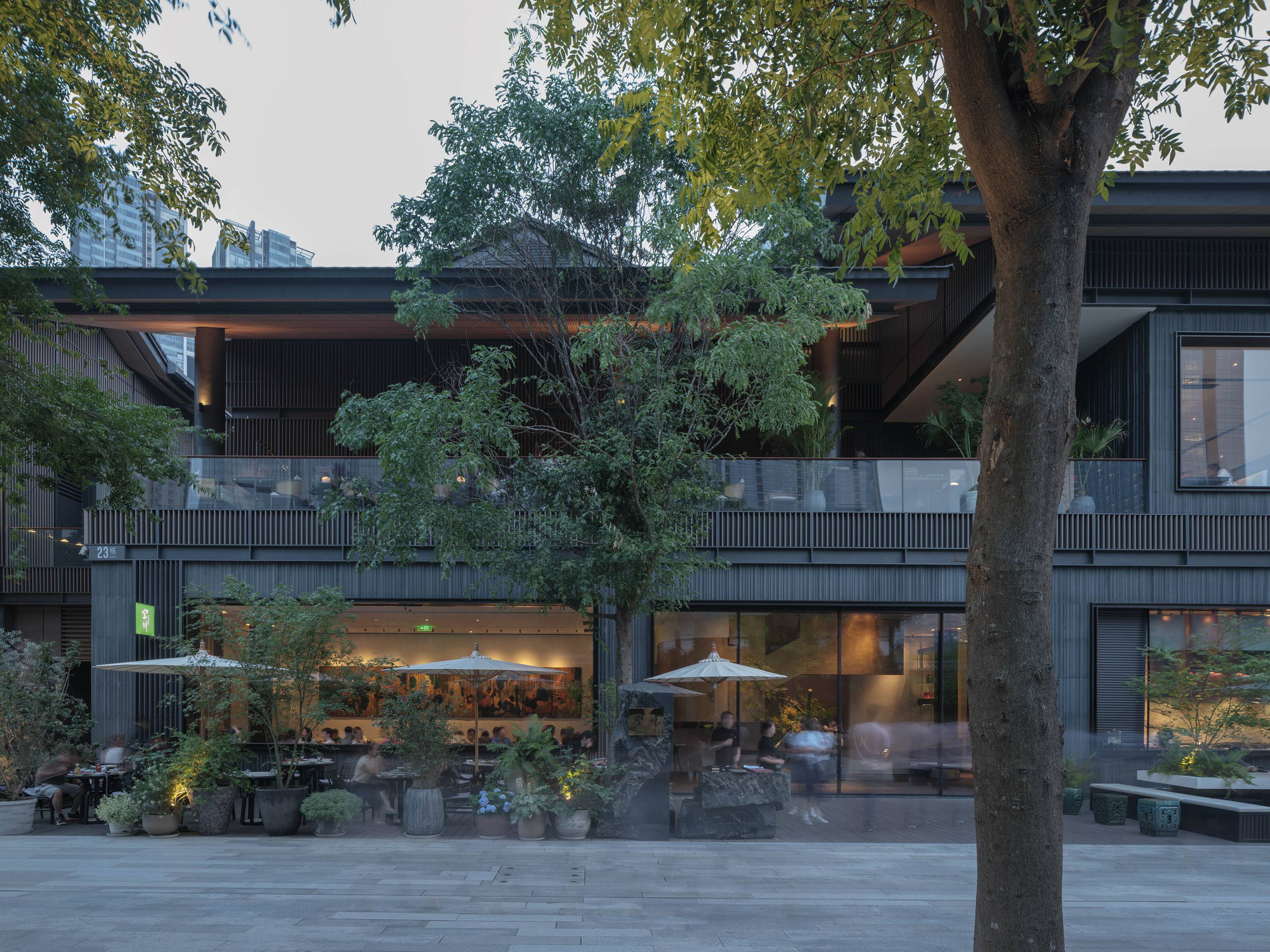
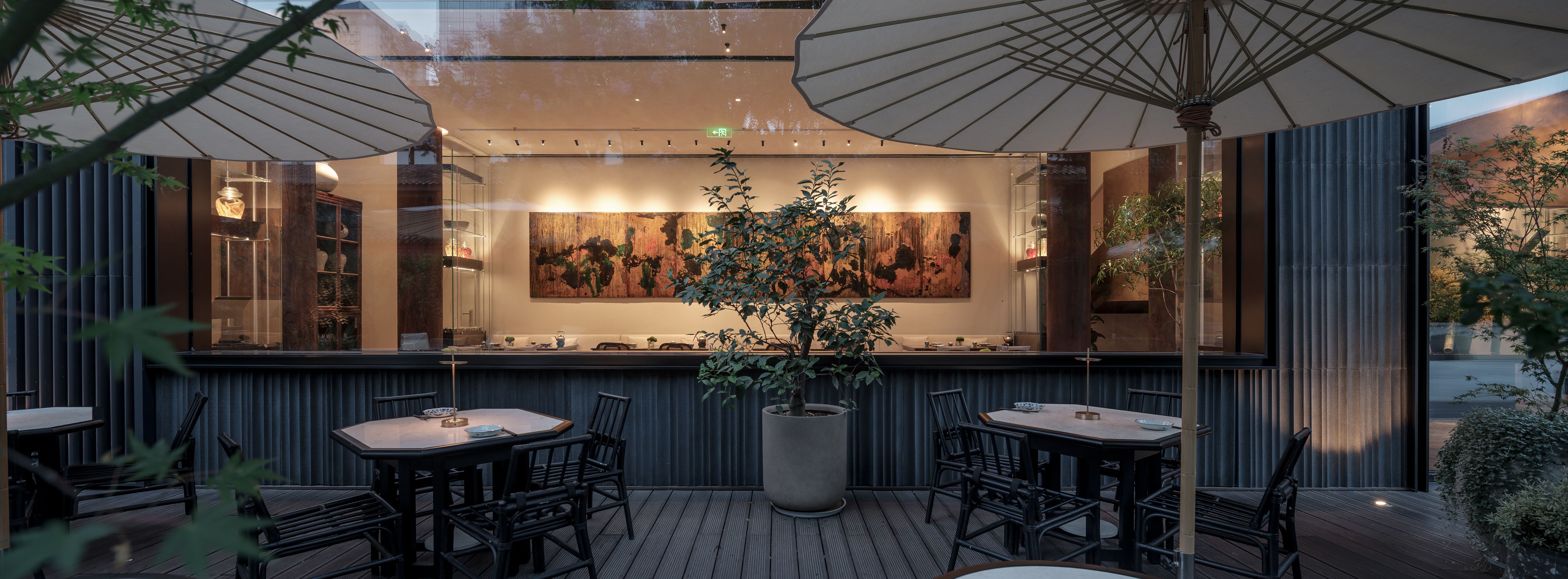
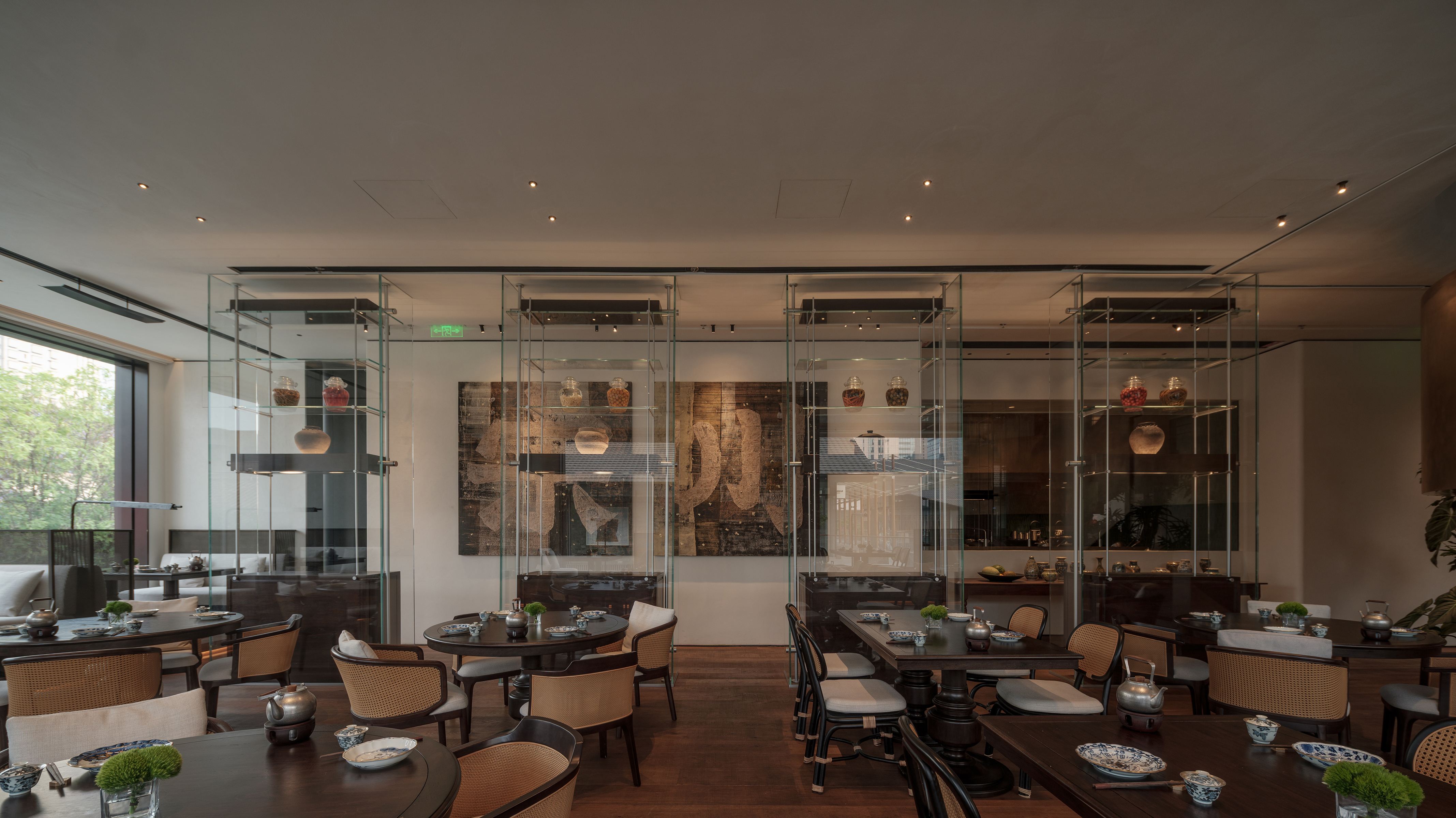
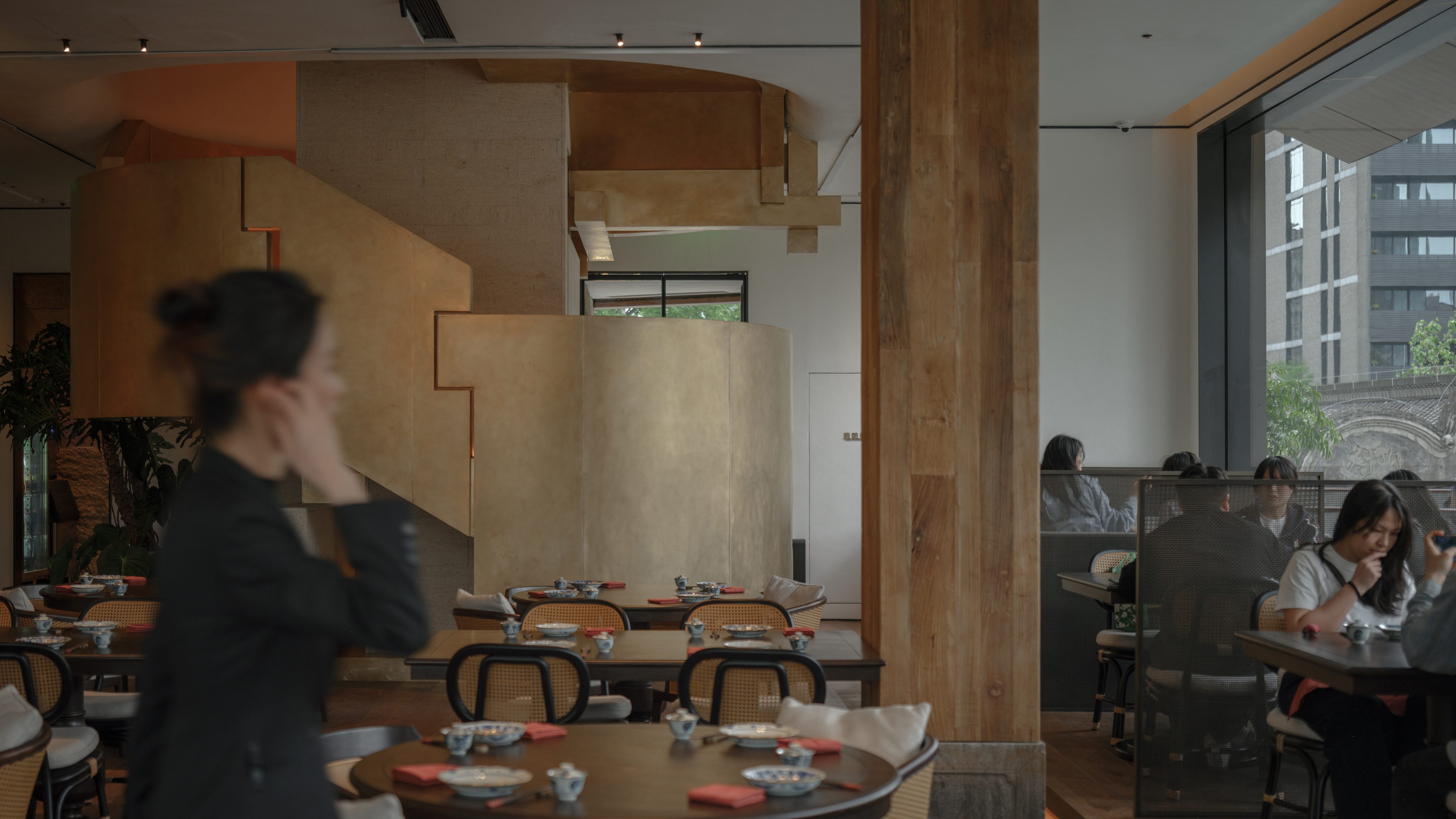
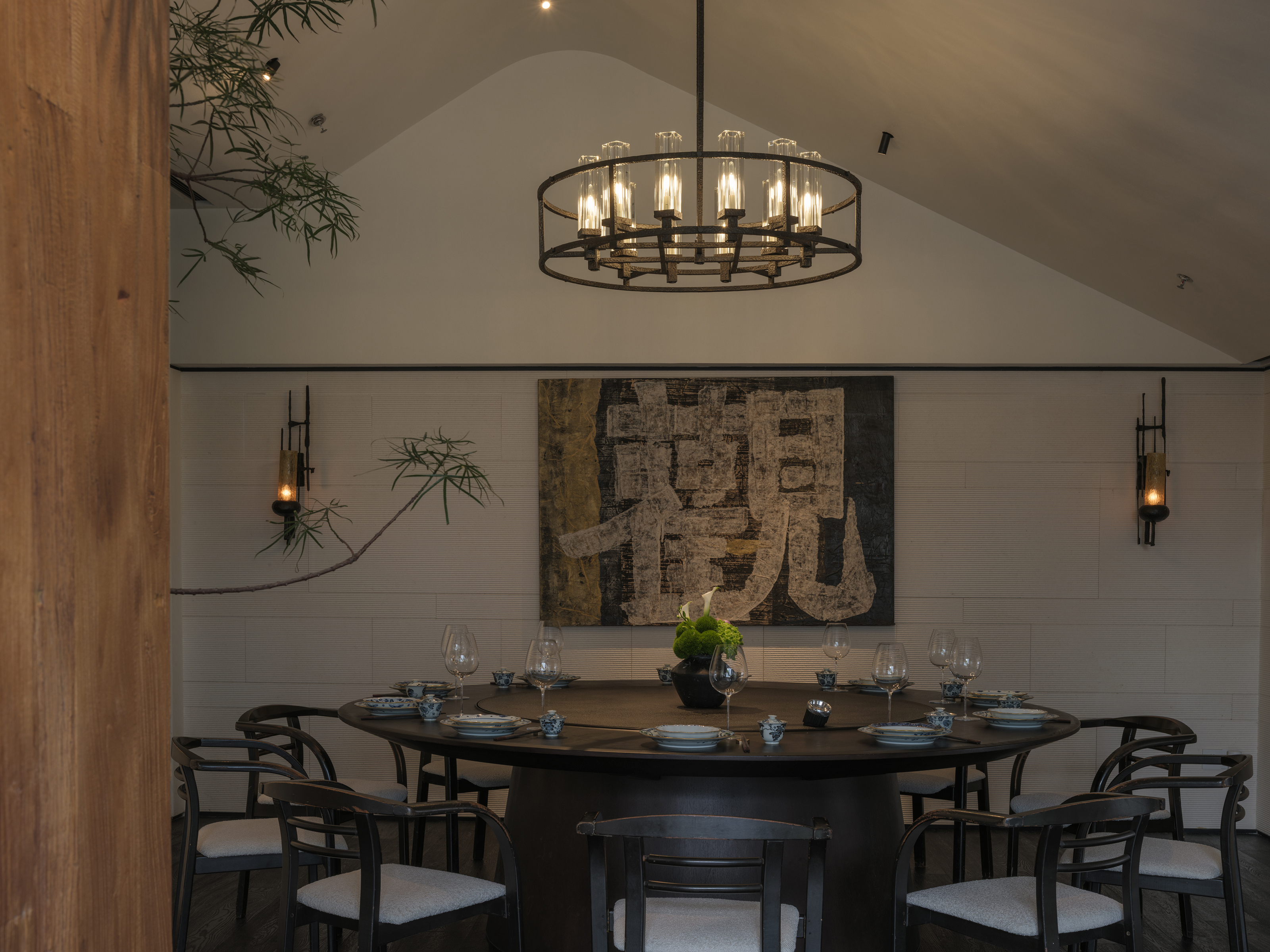
SONG Szechuan Cuisine, the Chinese mainland's first Michelin-starred Sichuan restaurant, extends its Guangzhou outlet's essence. Its new Chengdu Taikoo Li branch, with "daily life as poetry" as design core, blends old objects and modern space, focusing on "relaxation". Its three floors have unique layouts, echoing history and culinary vibes. Michelin chefs create innovative Sichuan dishes, served in custom tableware that resonates with the space's old items, letting diners feel Sichuan flavors and the city's warmth.
.jpg)

Winner
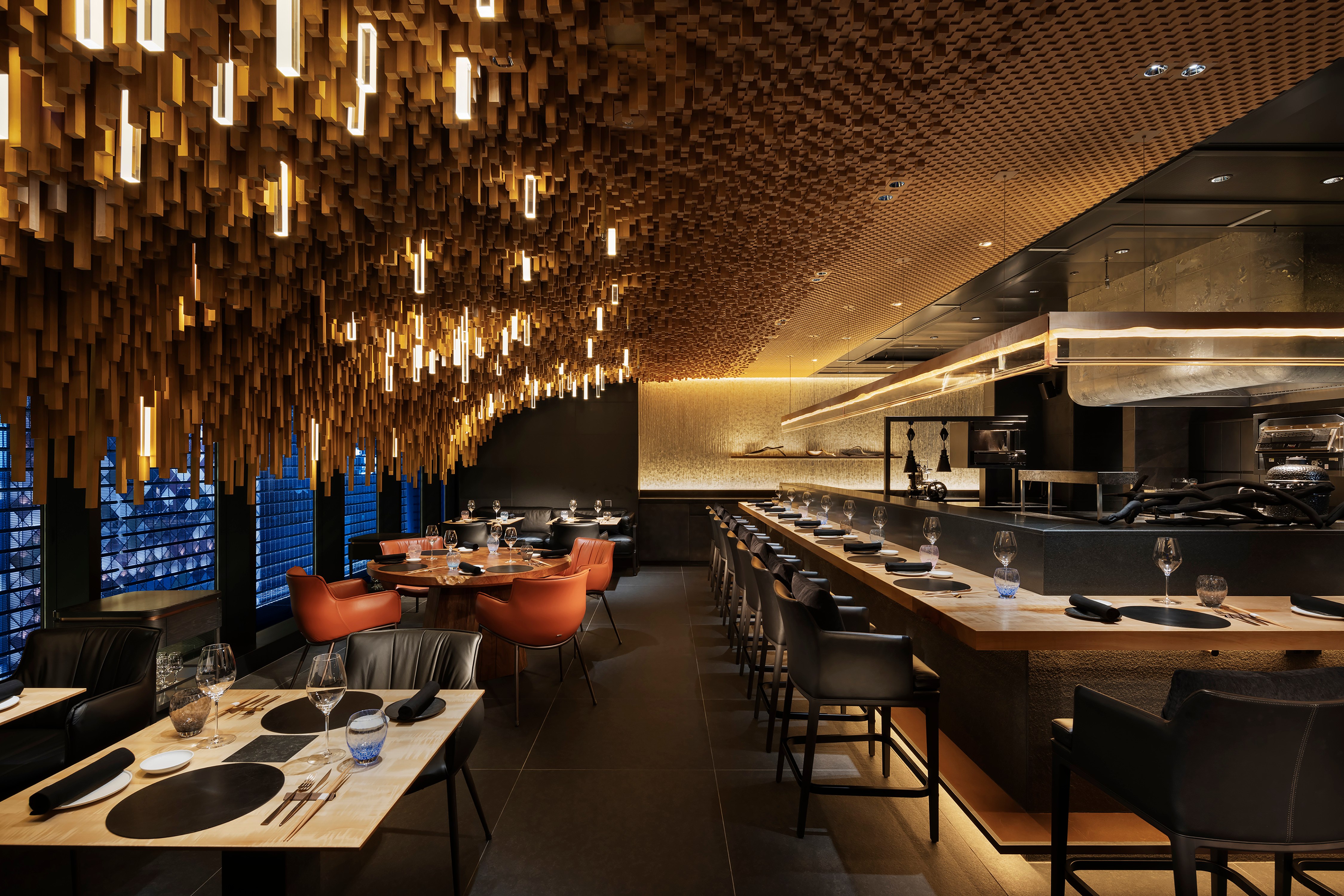
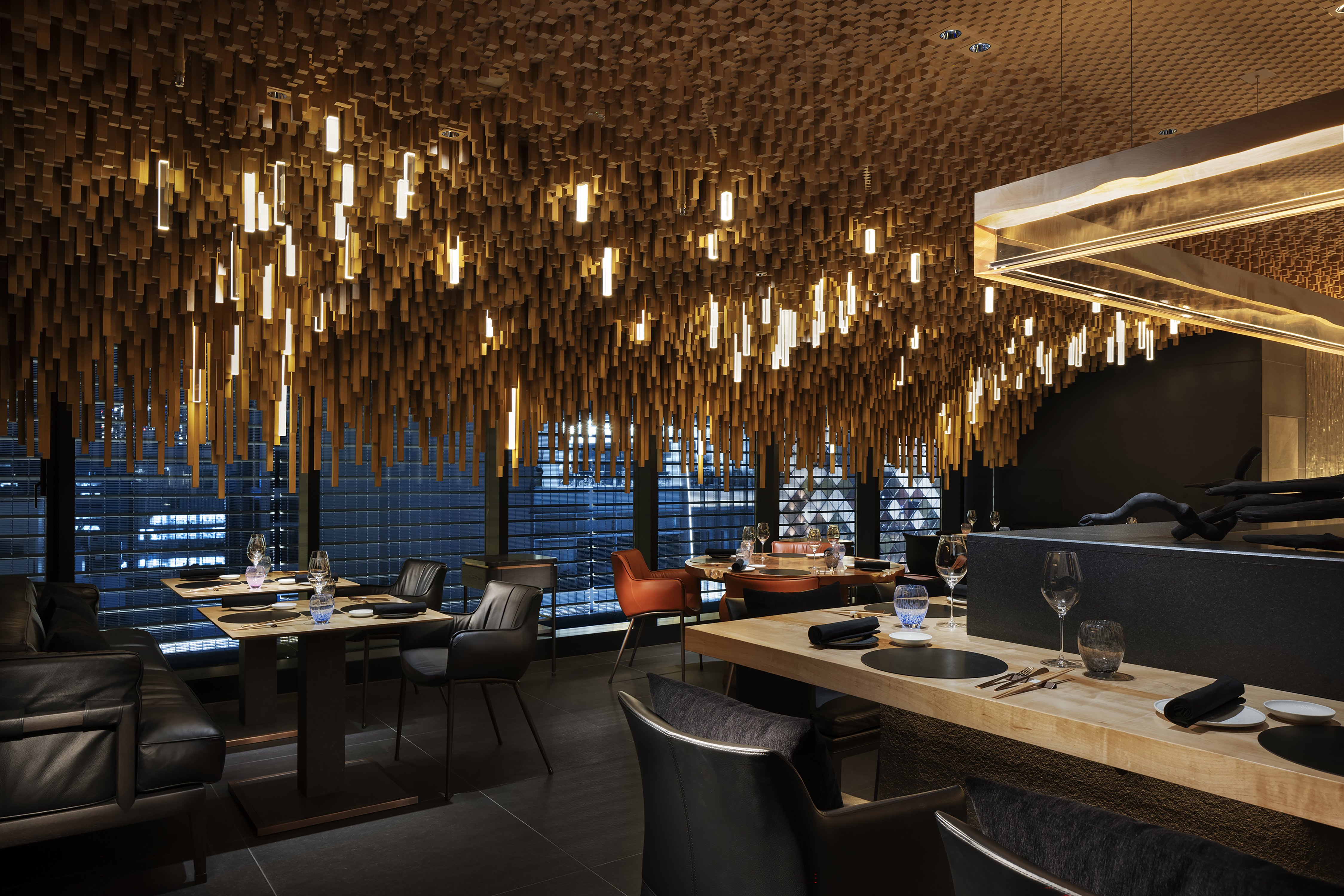
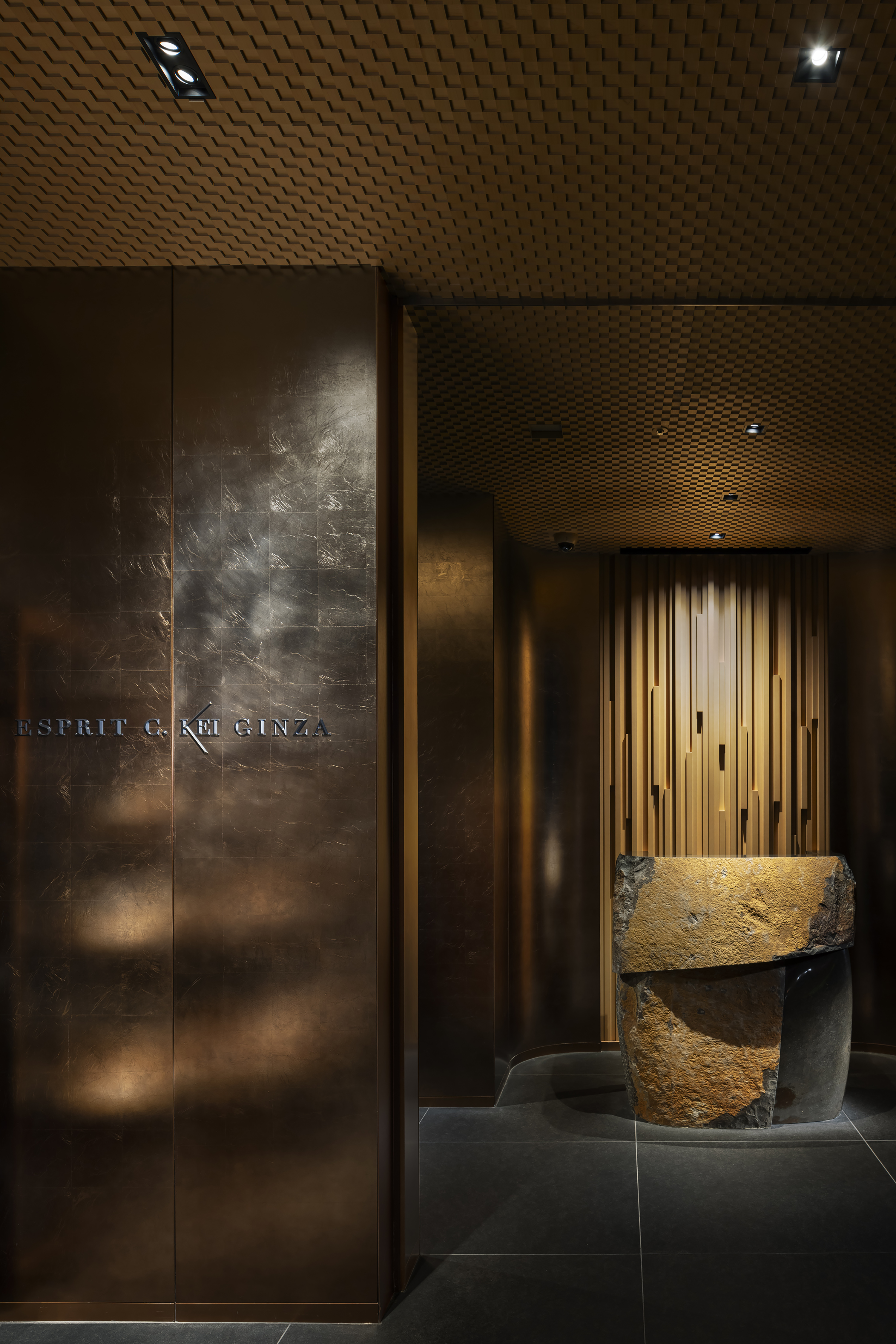
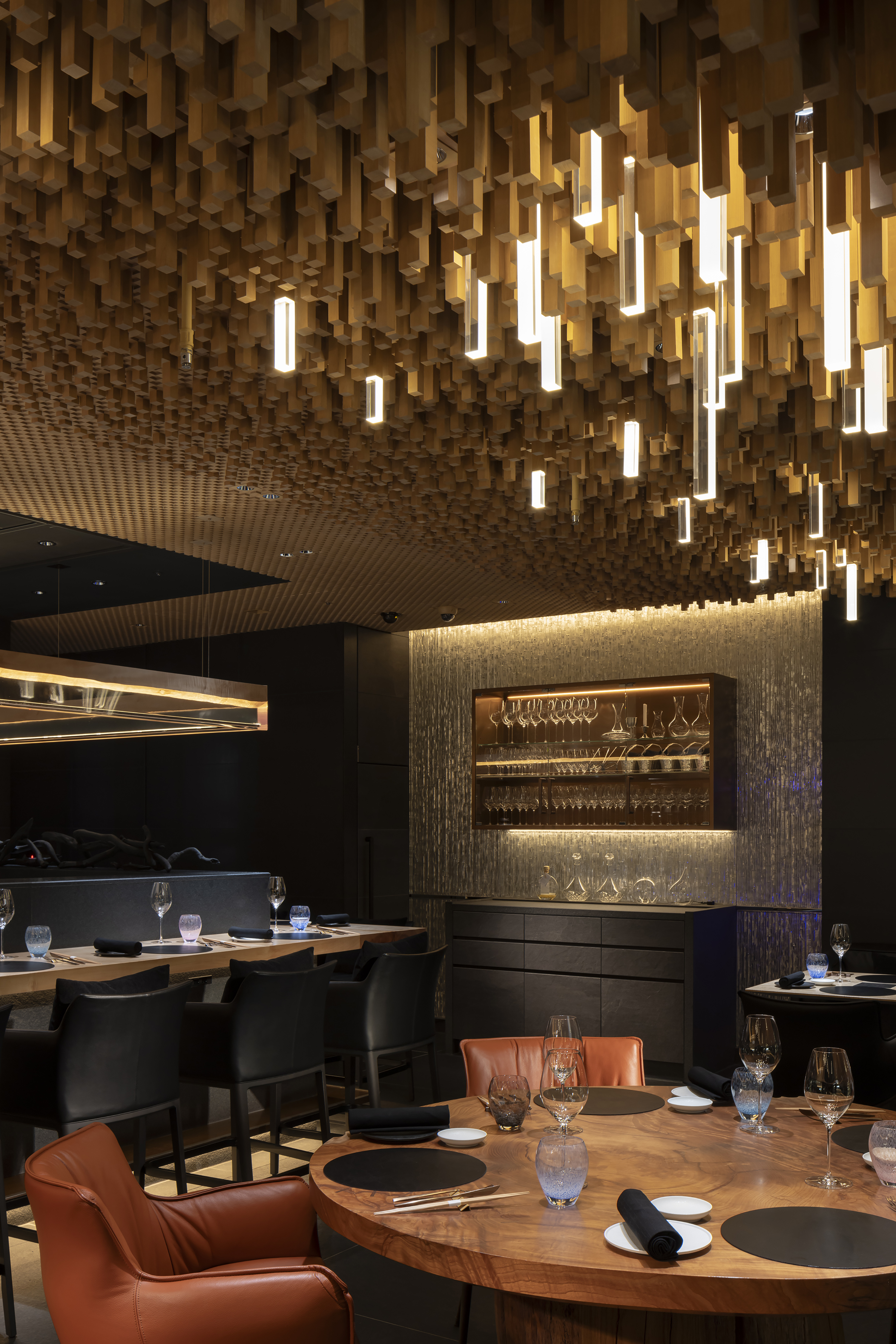
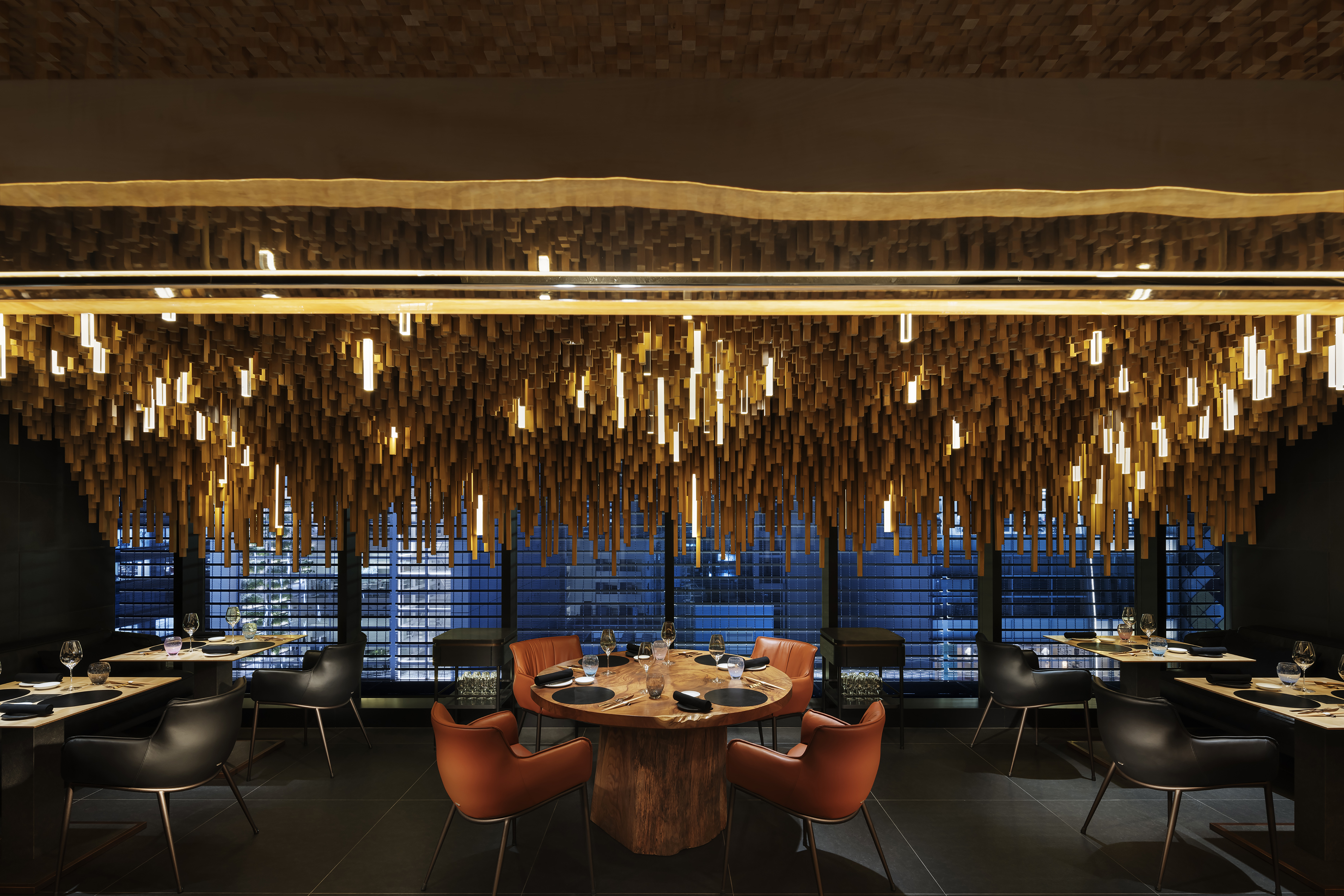
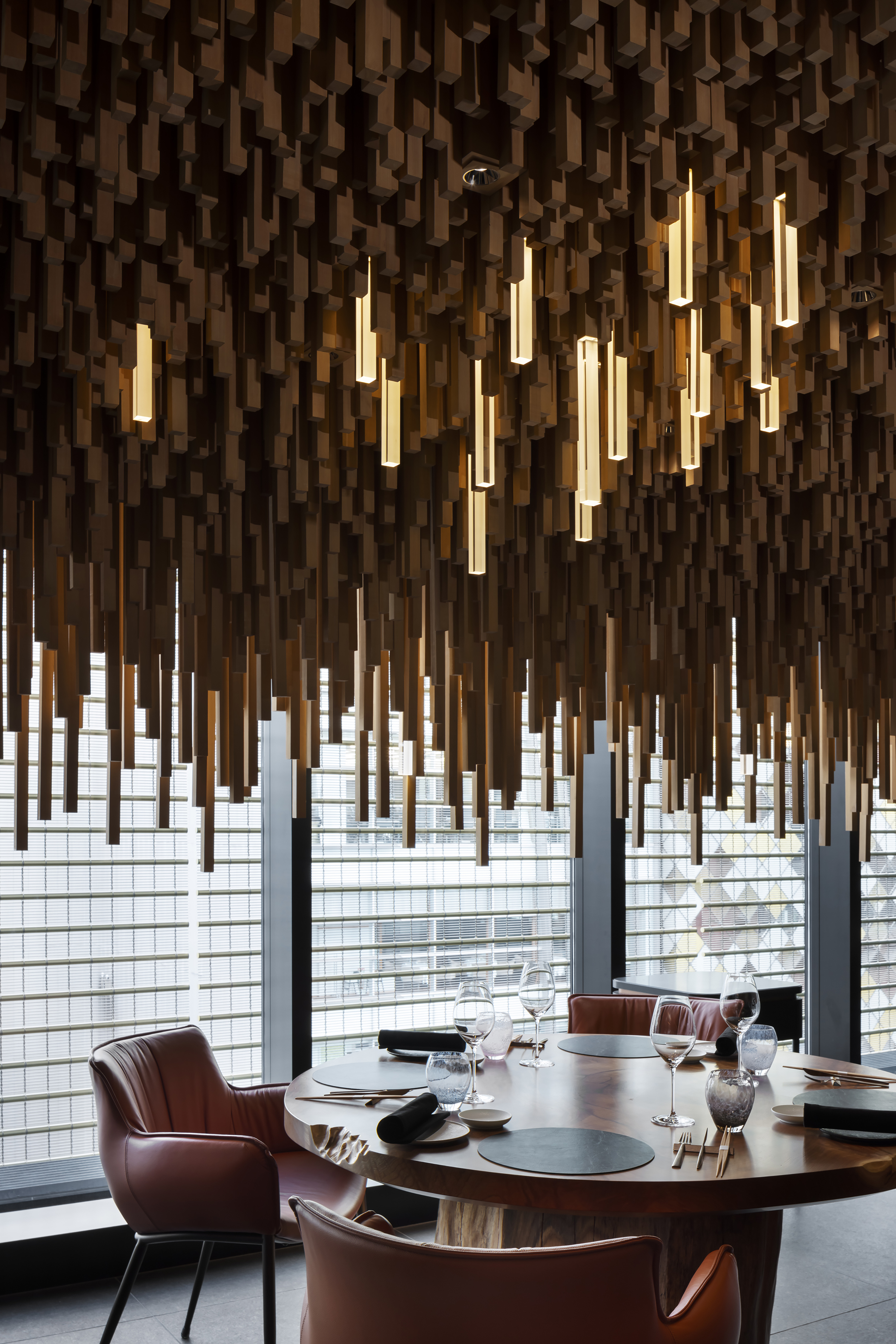
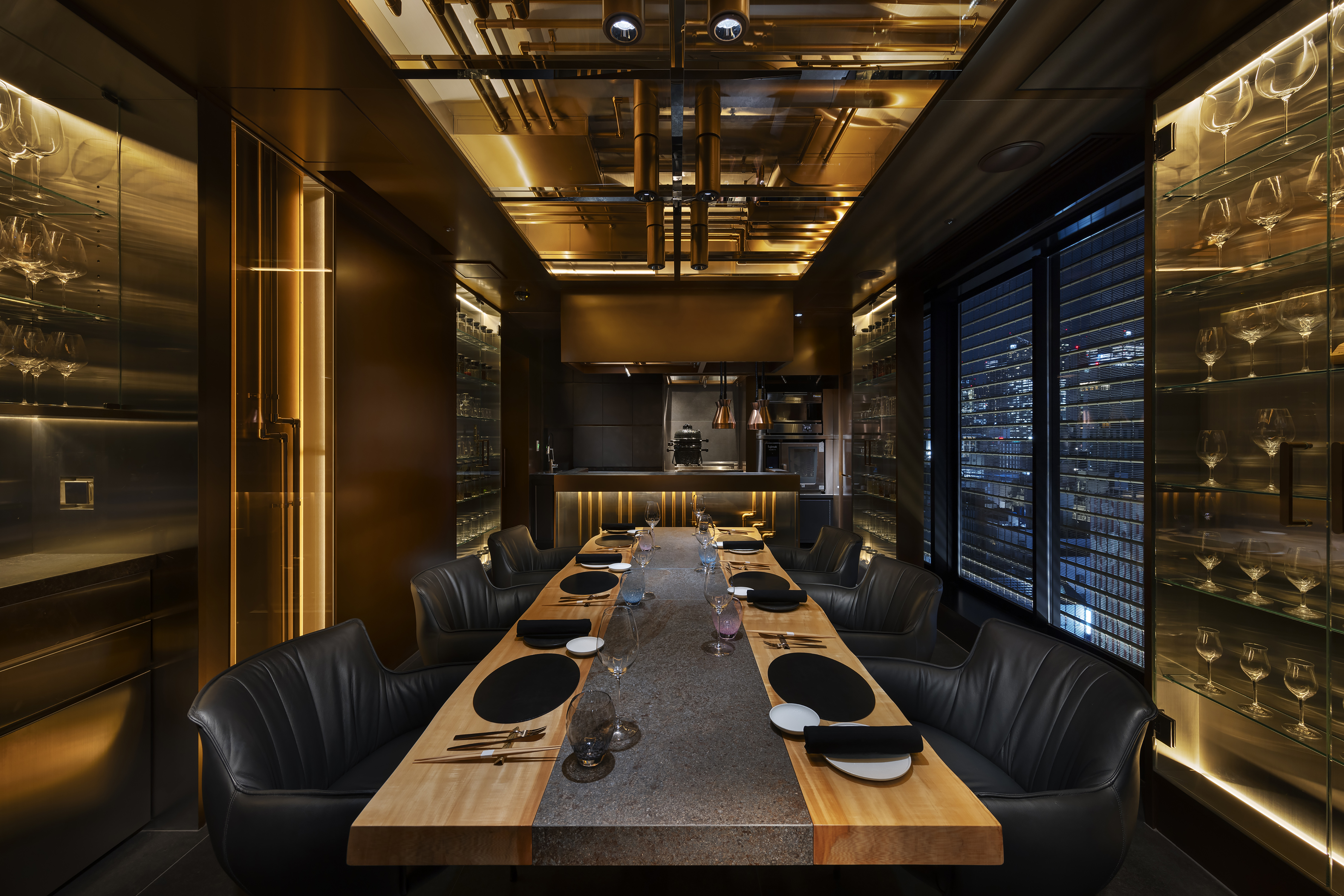
This restaurant is a collaboration between three-Michelin-star chef Kei Kobayashi and historic Japanese confectioner Toraya. Located on the 11th floor of a building in Tokyo’s Ginza district, it features an open charcoal kitchen, a main dining area, and a private room. The concept is “tradition and innovation.” A distinctive ceiling design transitions from a traditional flat ichimatsu pattern at the entrance to a dynamic three-dimensional structure. An installation of wooden rods and glowing acrylic bars forms a cave-like shape, symbolizing the fusion of tradition and innovation. The ceiling uses hinoki wood in varied lengths to enhance efficiency and minimize waste. In the private room, architectural ductwork is exposed and enclosed in glass to maximize ceiling height within a limited space. This thoughtful integration of materials and design reflects a balance between Japanese craftsmanship and modern creativity, offering a unique dining experience that celebrates both heritage and modern aesthetics.

Winner
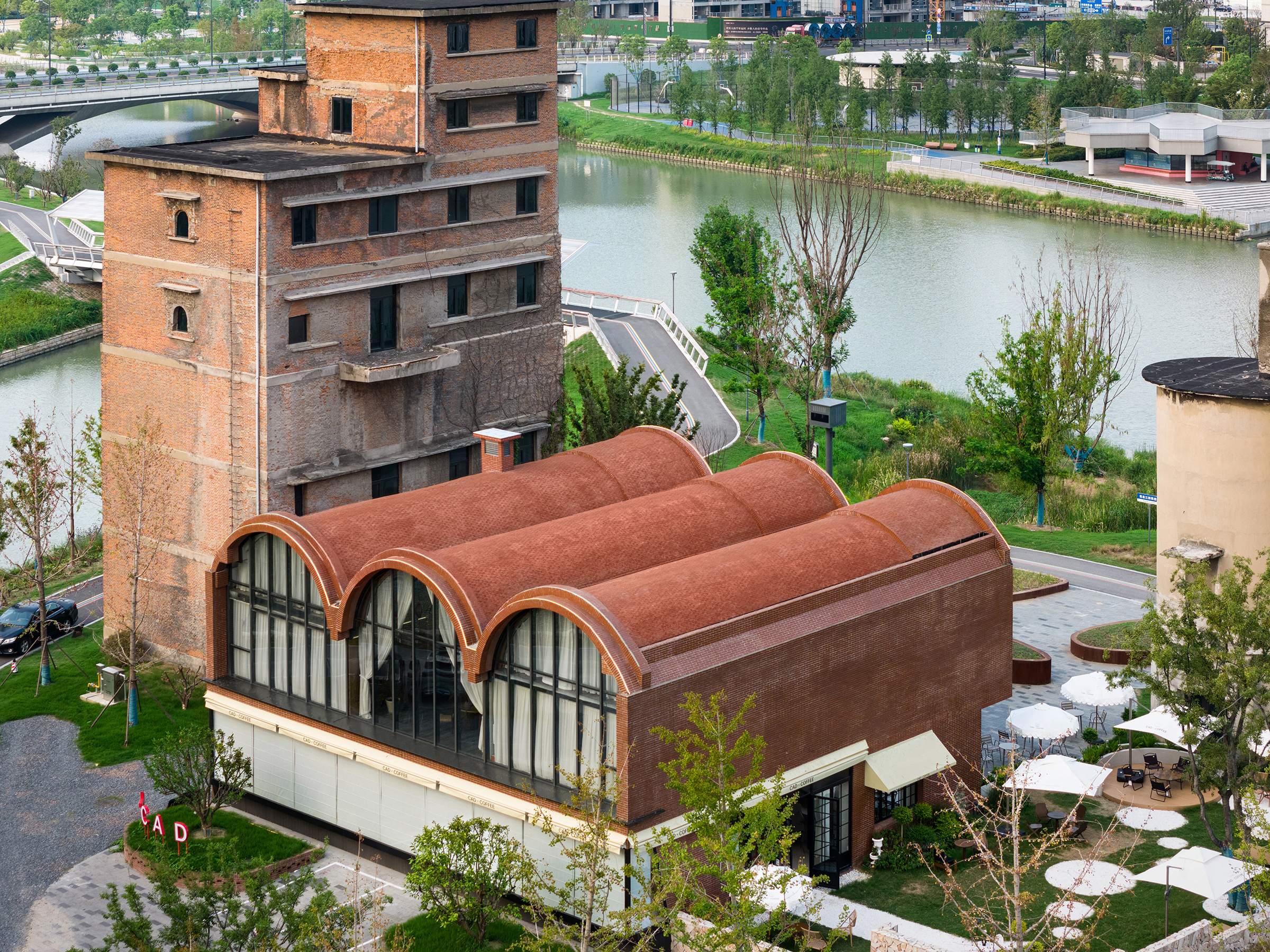
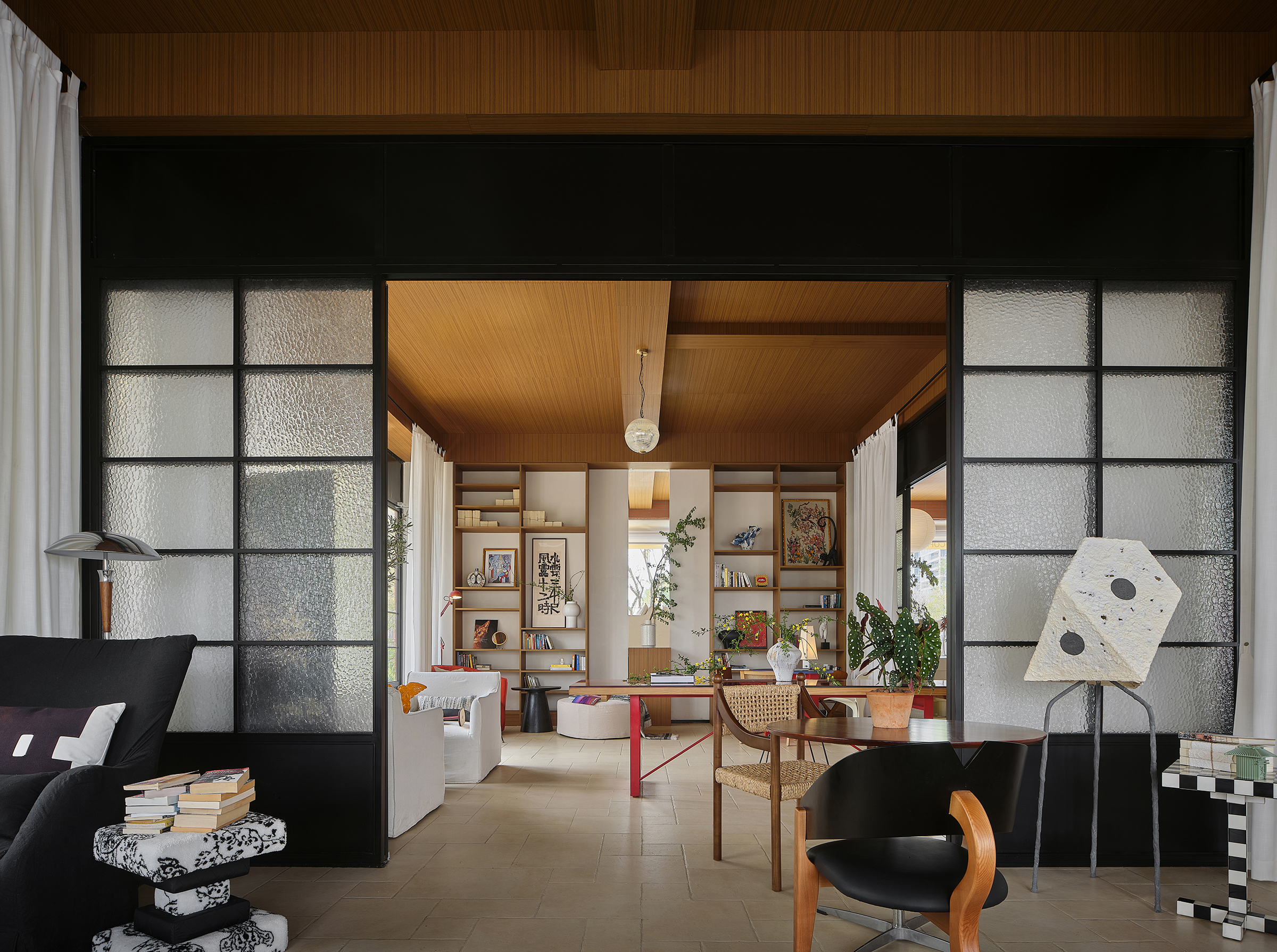
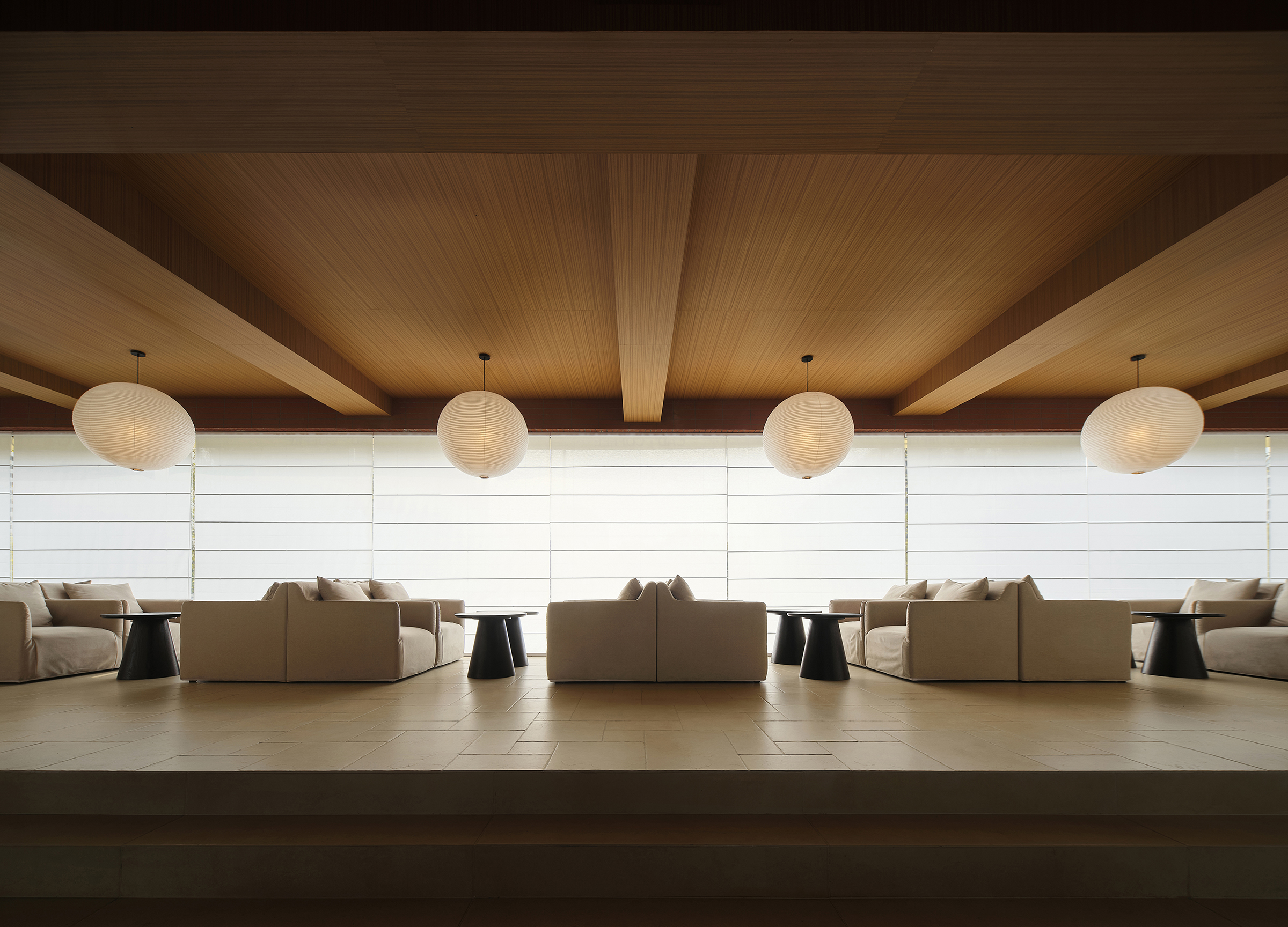
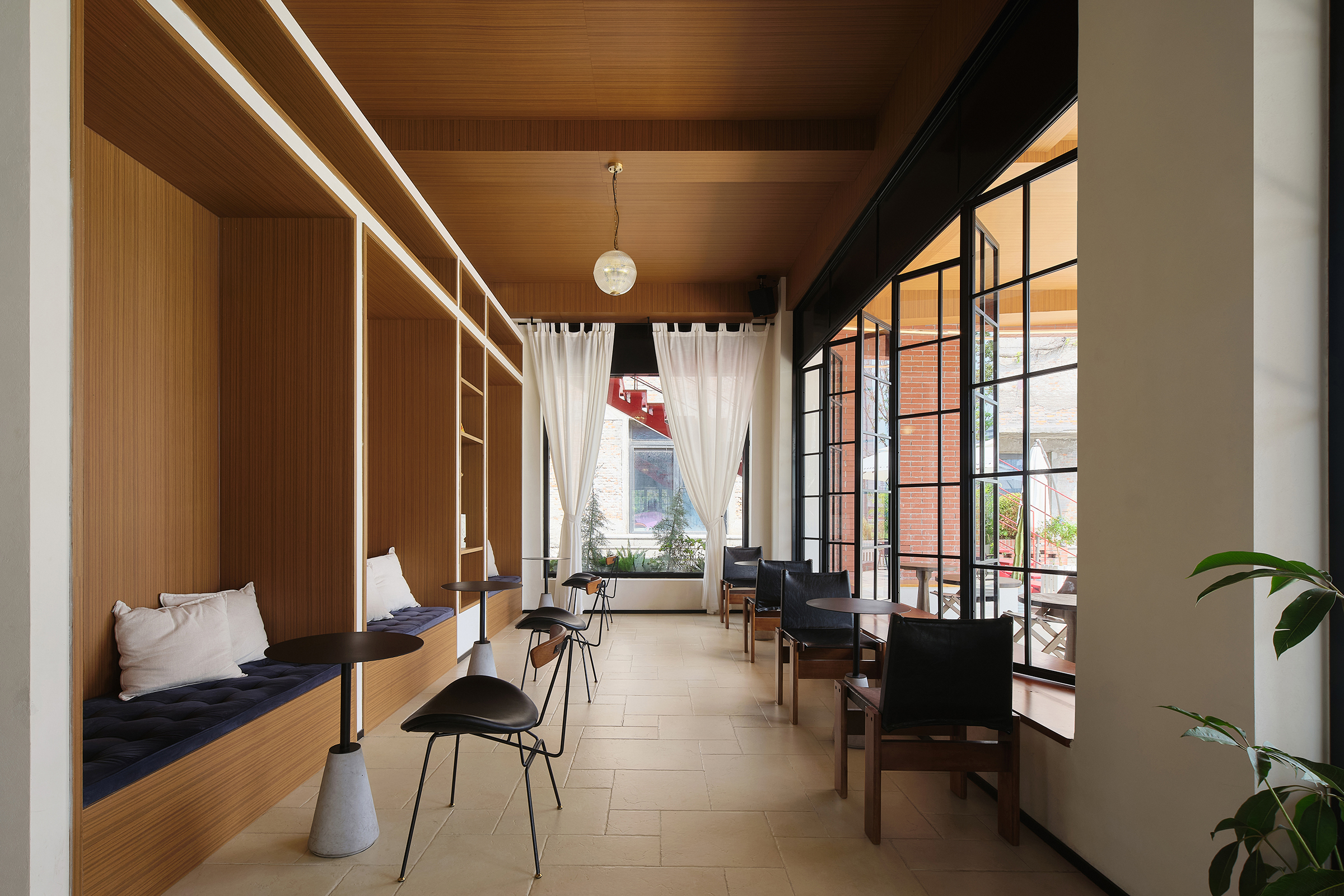
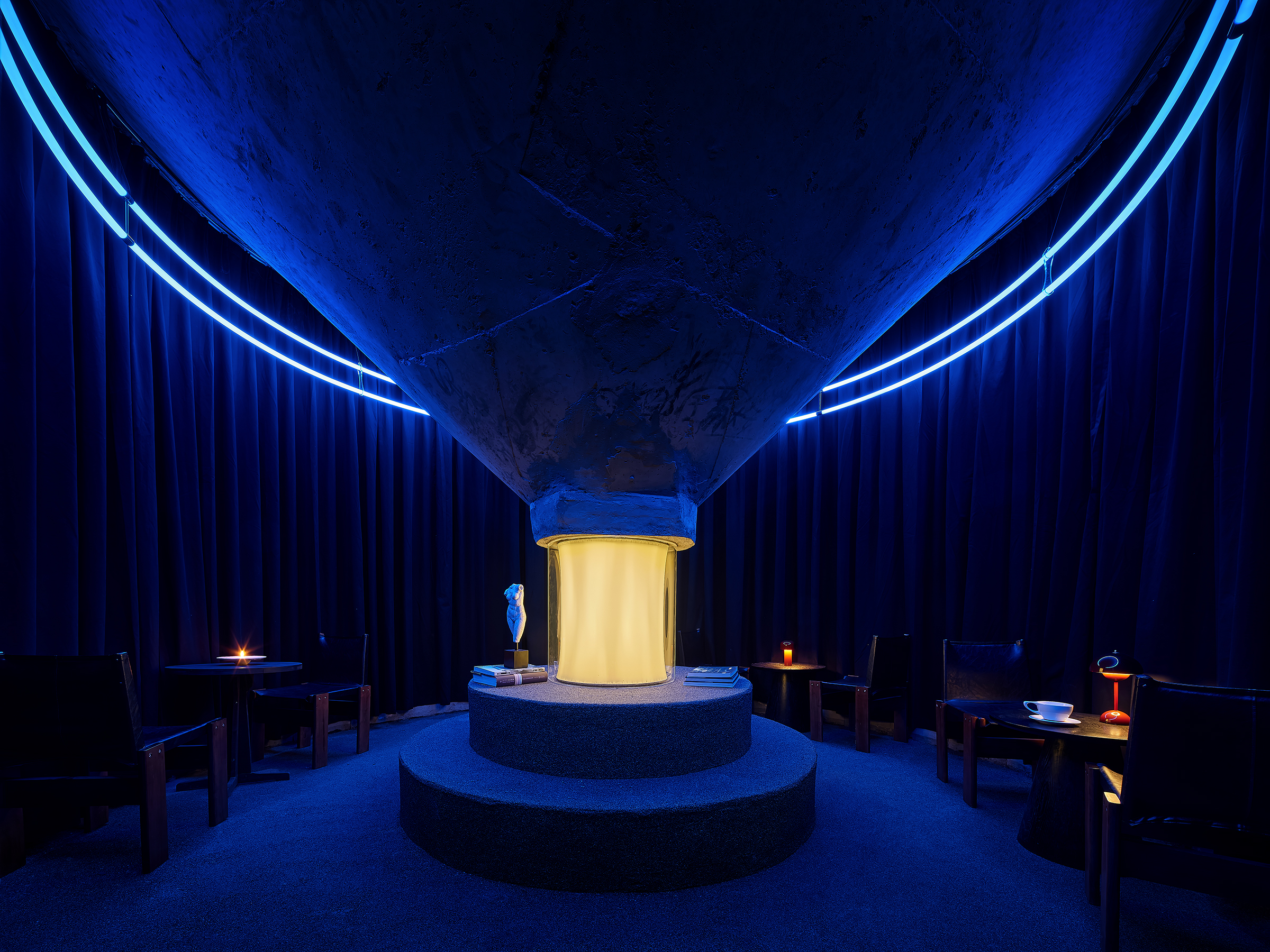
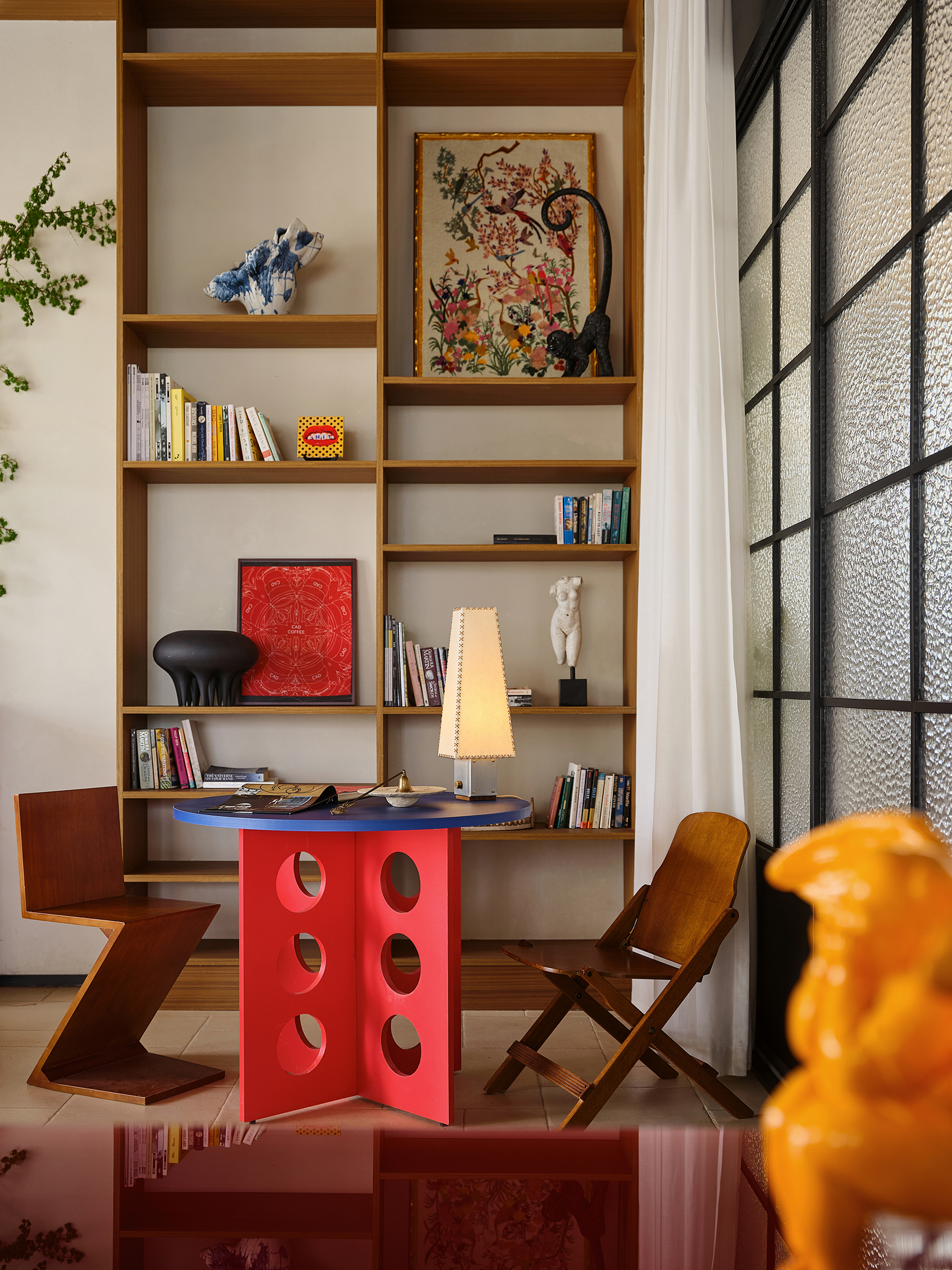
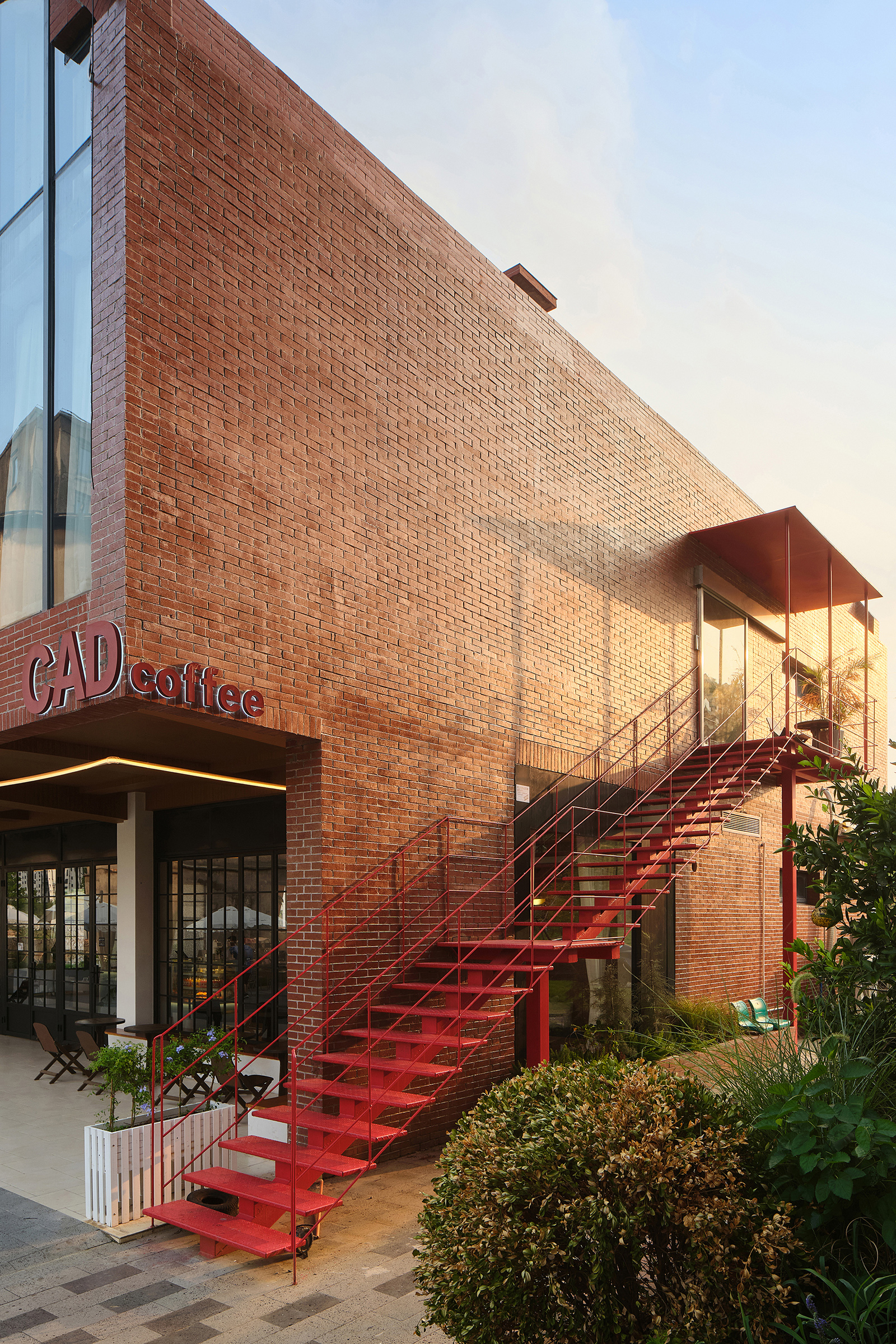
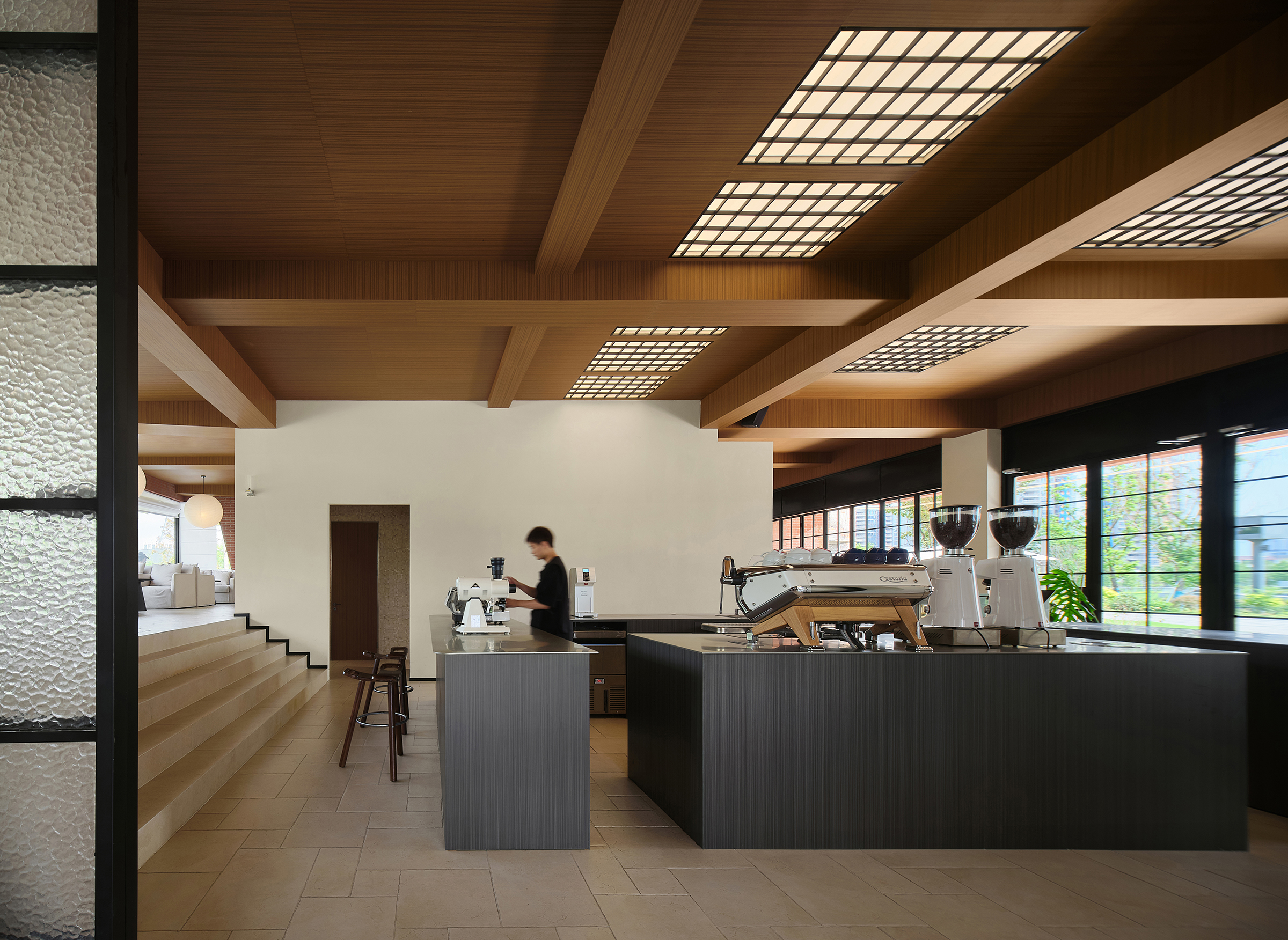
This project utilizes the environmental advantages of a city park and the unique shape of a former cement factory to create a distinctive and unfamiliar experience. The design maintains the openness of the park while preserving the factory's historical and architectural character. The interior features an open layout, with large glass windows and French floor-to-ceiling windows connecting the space to the outdoor landscape, offering a soothing, multi-functional environment for business, gatherings, reading, and leisure. Natural light is used to enhance the atmosphere, while materials like textured wood and coarse textiles balance modern minimalism with organic elements. The outdoor area is a European-style garden, blurring the boundary with the park and offering a relaxing, social atmosphere. The design focuses on creating a practical and accessible escape for consumers, catering to diverse needs while offering a break from the daily routine.