Winner
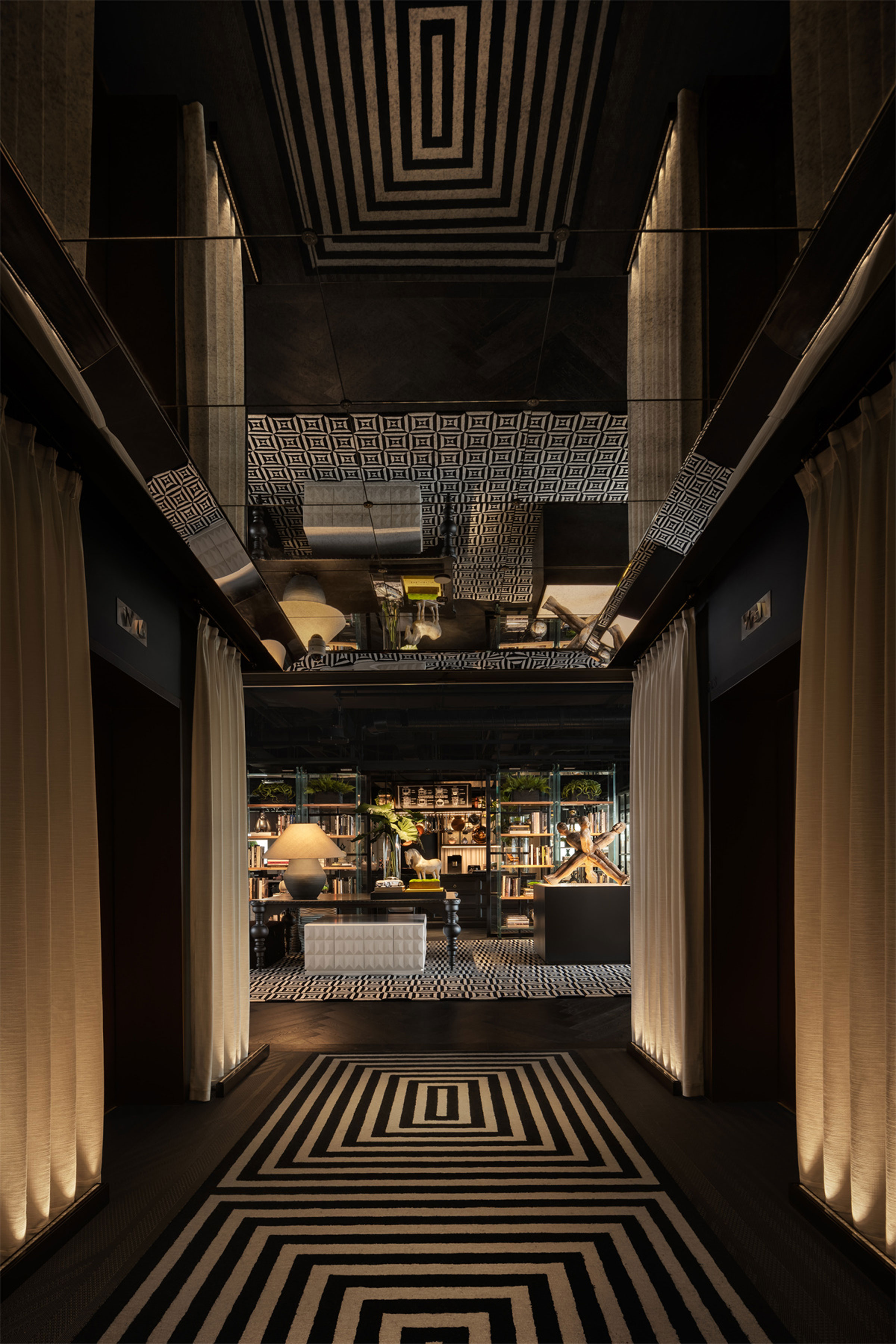
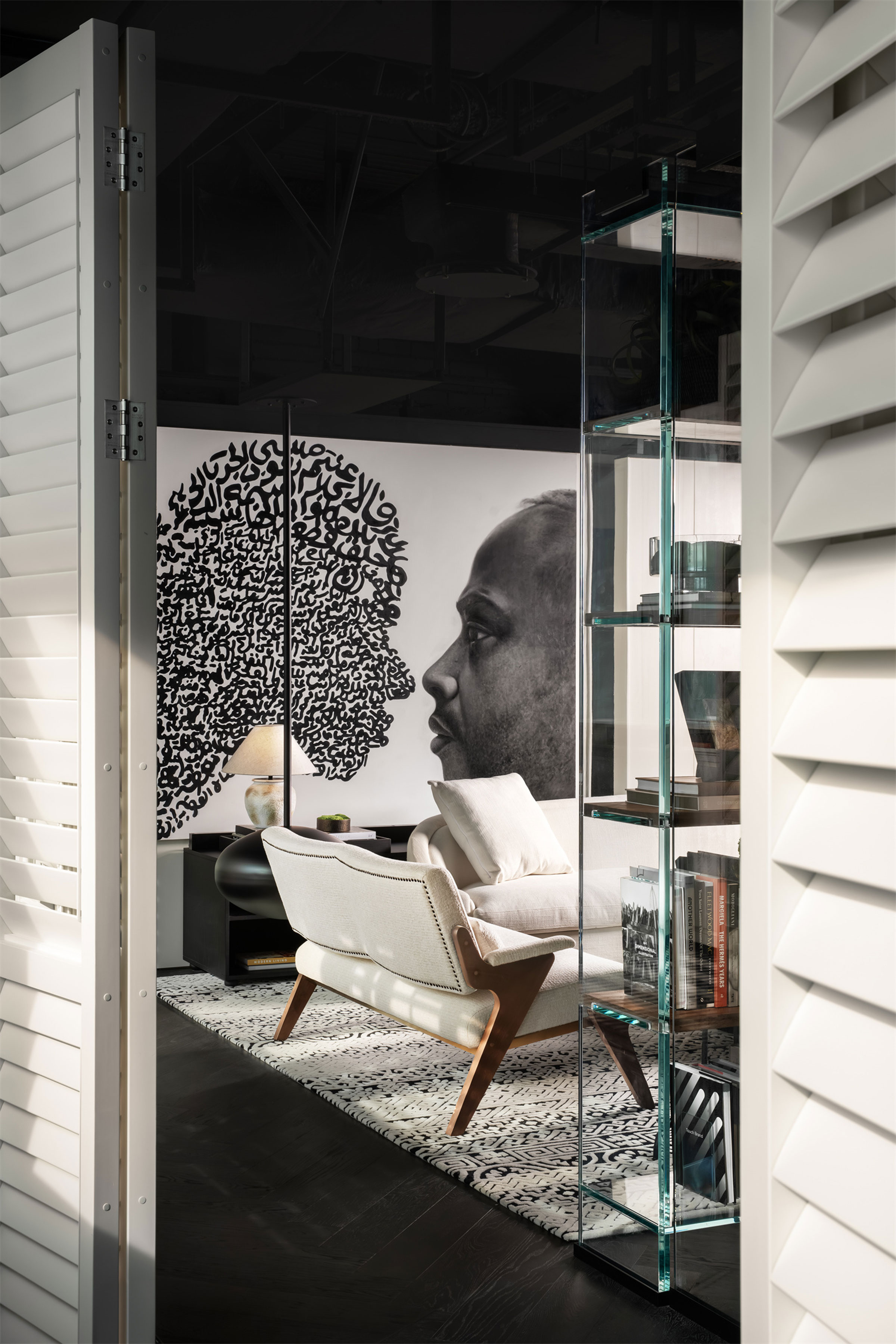
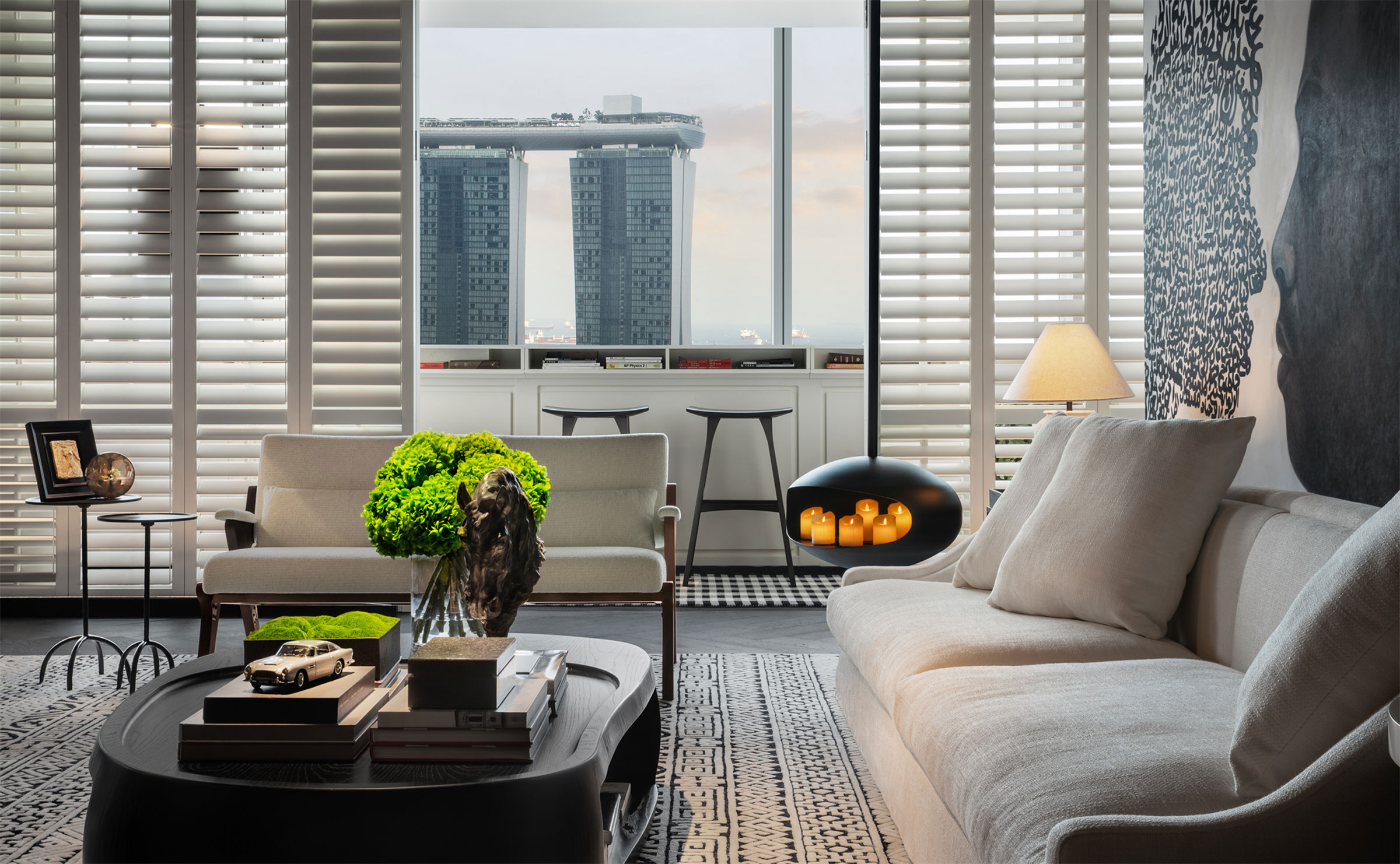
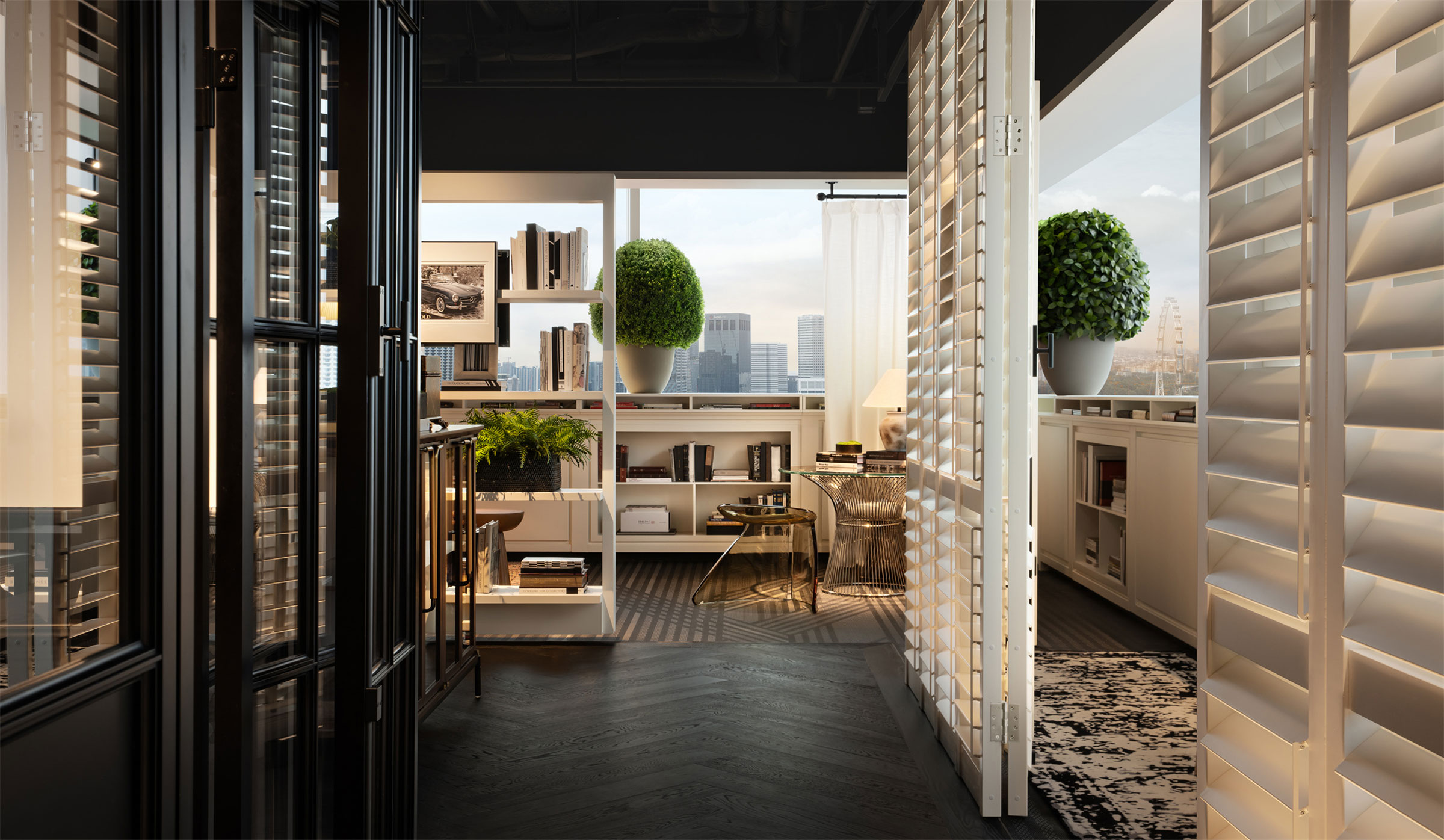
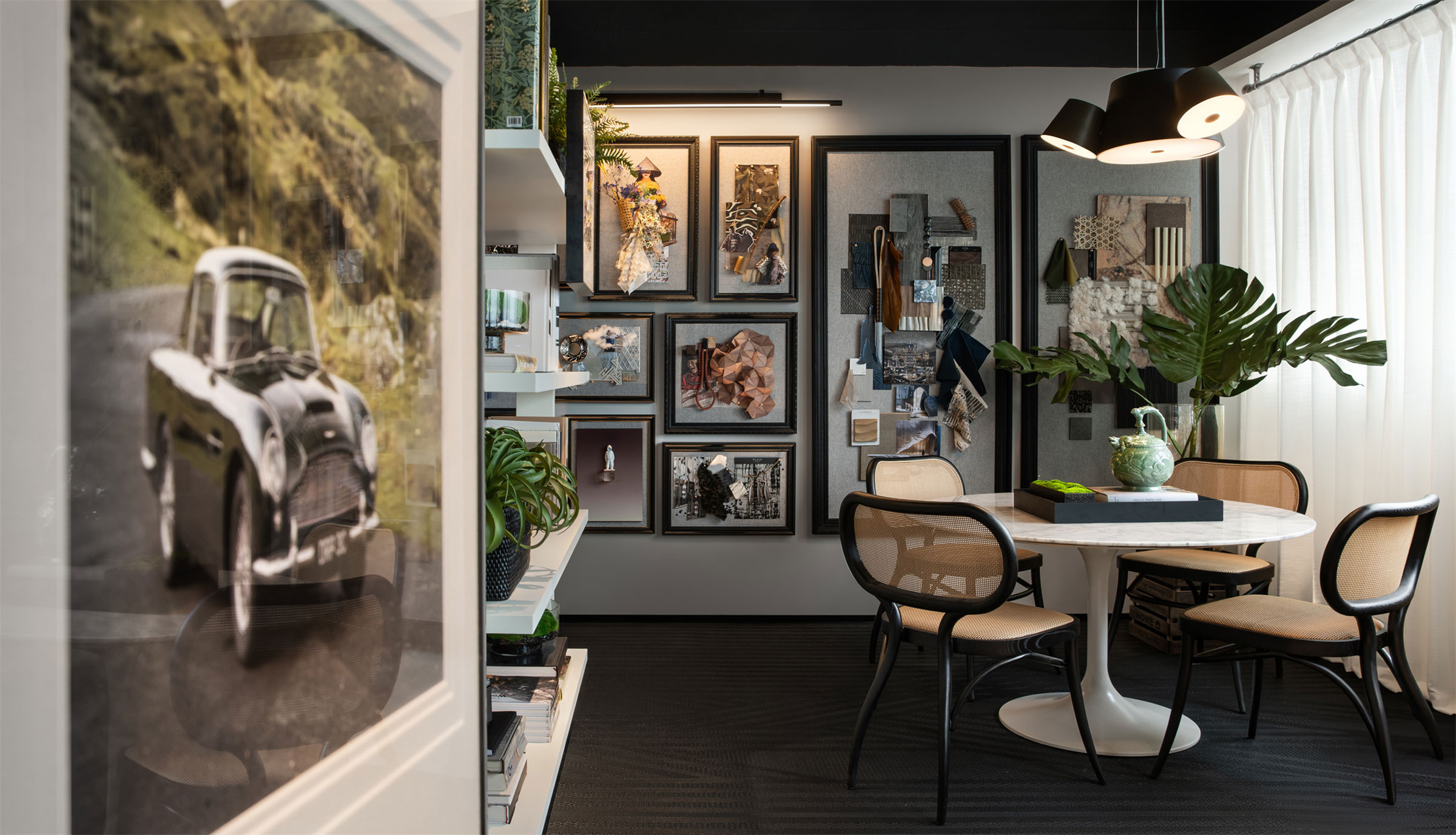
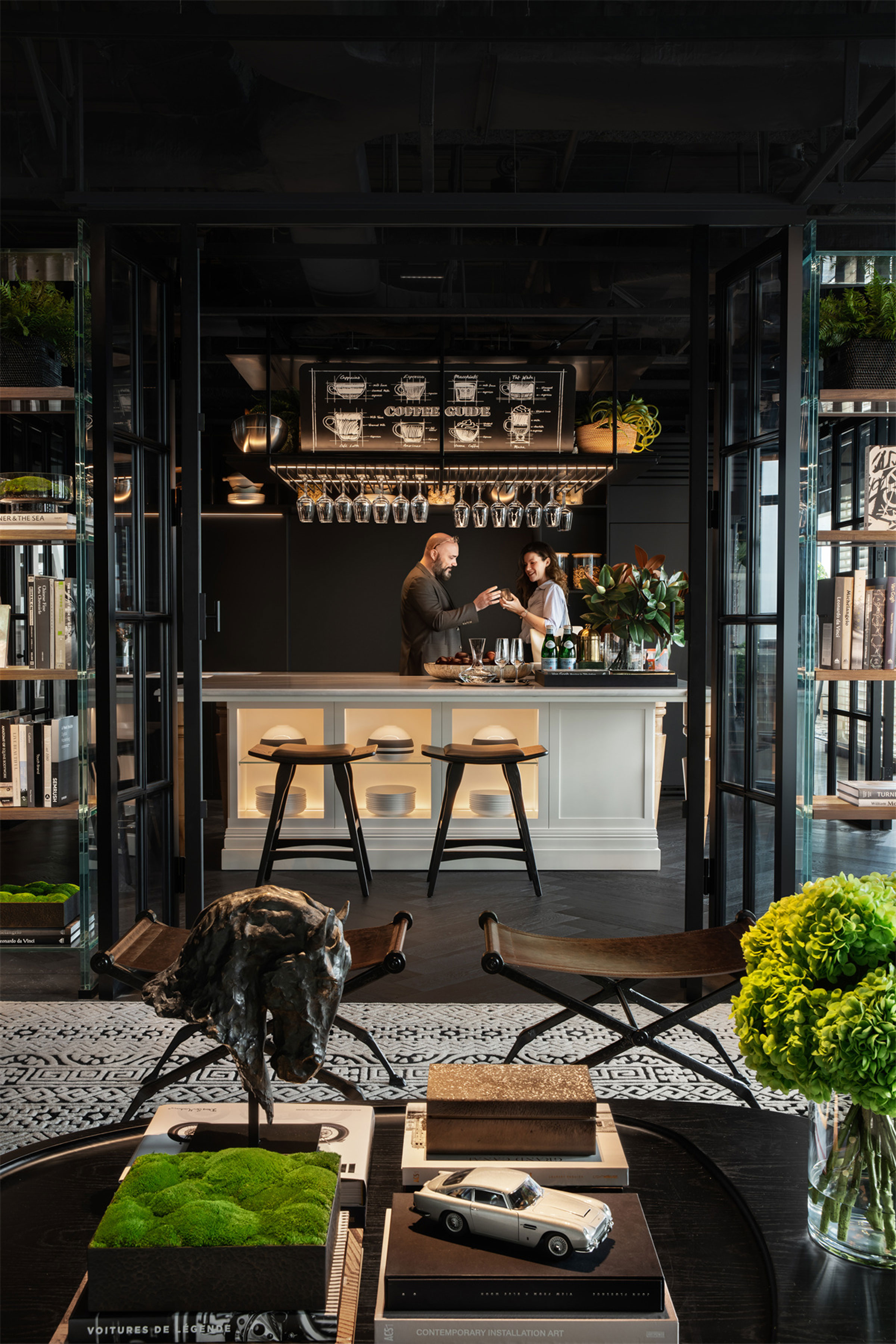
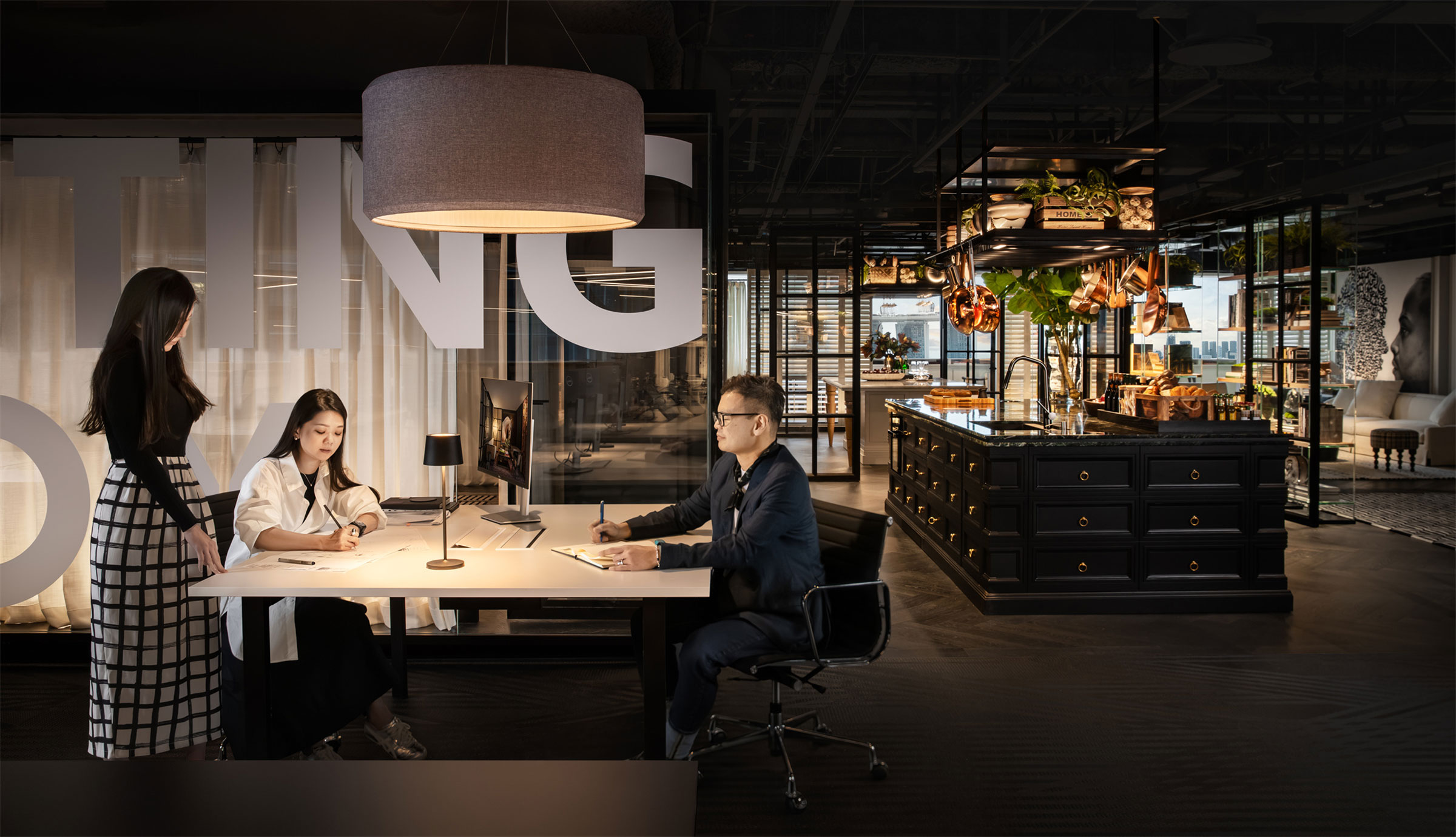
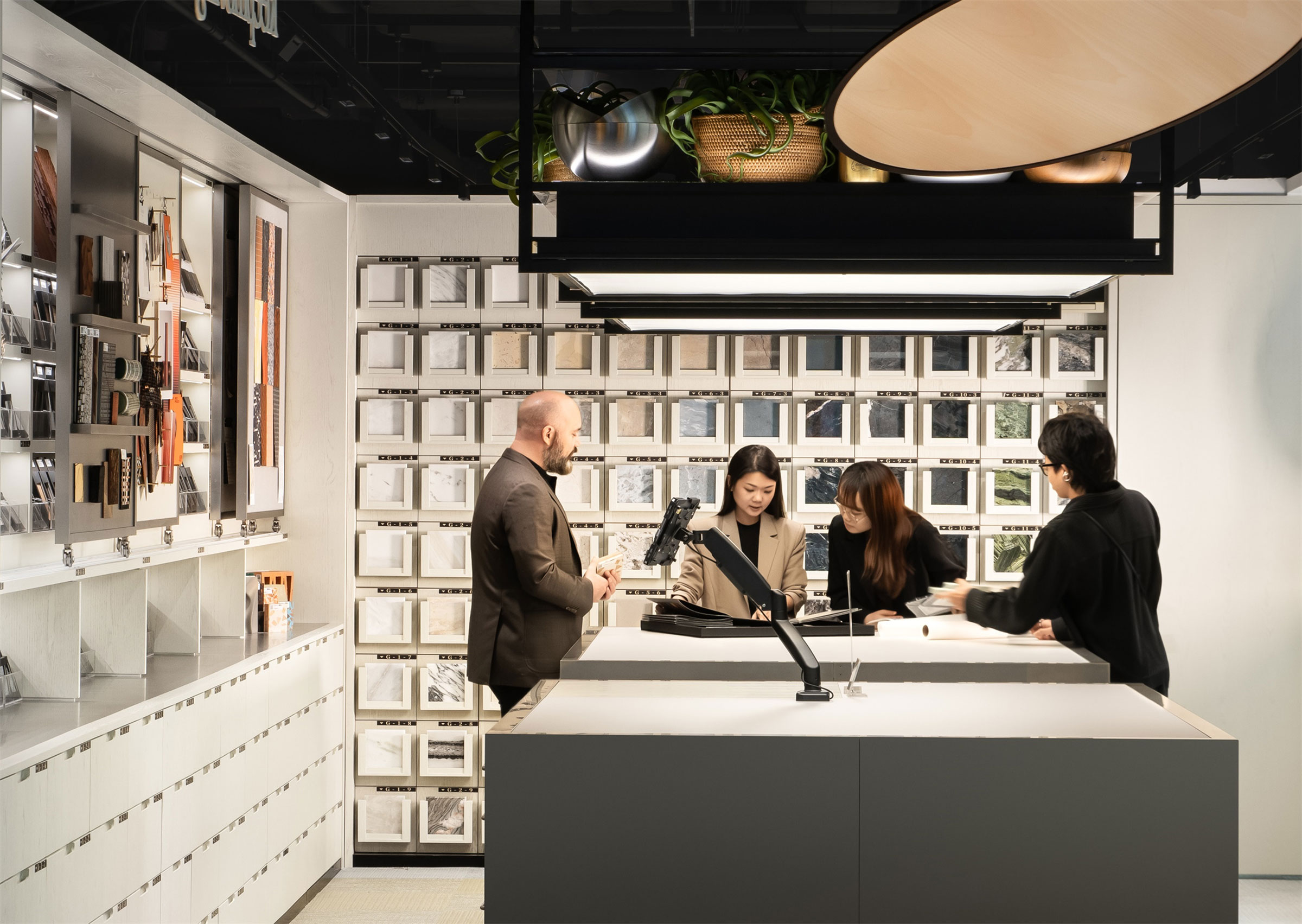
Located in Singapore’s Marina Bay, this project reimagines the modern workplace by blending tropical greenery with traditional Chinese garden concepts. The design features winding paths, fluid spatial zones, and curated artworks that reflect Southeast Asia’s cultural richness. It creates a vibrant yet tranquil environment where creativity, collaboration, and well-being flourish. A deliberate mix of industrial accents, premium materials—such as emerald jade and woven bamboo—and global furnishings fosters a refined, multicultural atmosphere. Flexible spaces, from open kitchen islands to private enclaves, support both dynamic interaction and focused work. The design meets the challenge of merging functionality with narrative—bringing nature indoors, honoring local heritage, and celebrating diversity. A material hall showcases sustainable technologies, while recycled materials affirm the project’s environmental responsibility. This dynamic headquarters serves not just as a workplace, but as a cultural connector and living ecosystem that inspires innovation and human connection.



Winner
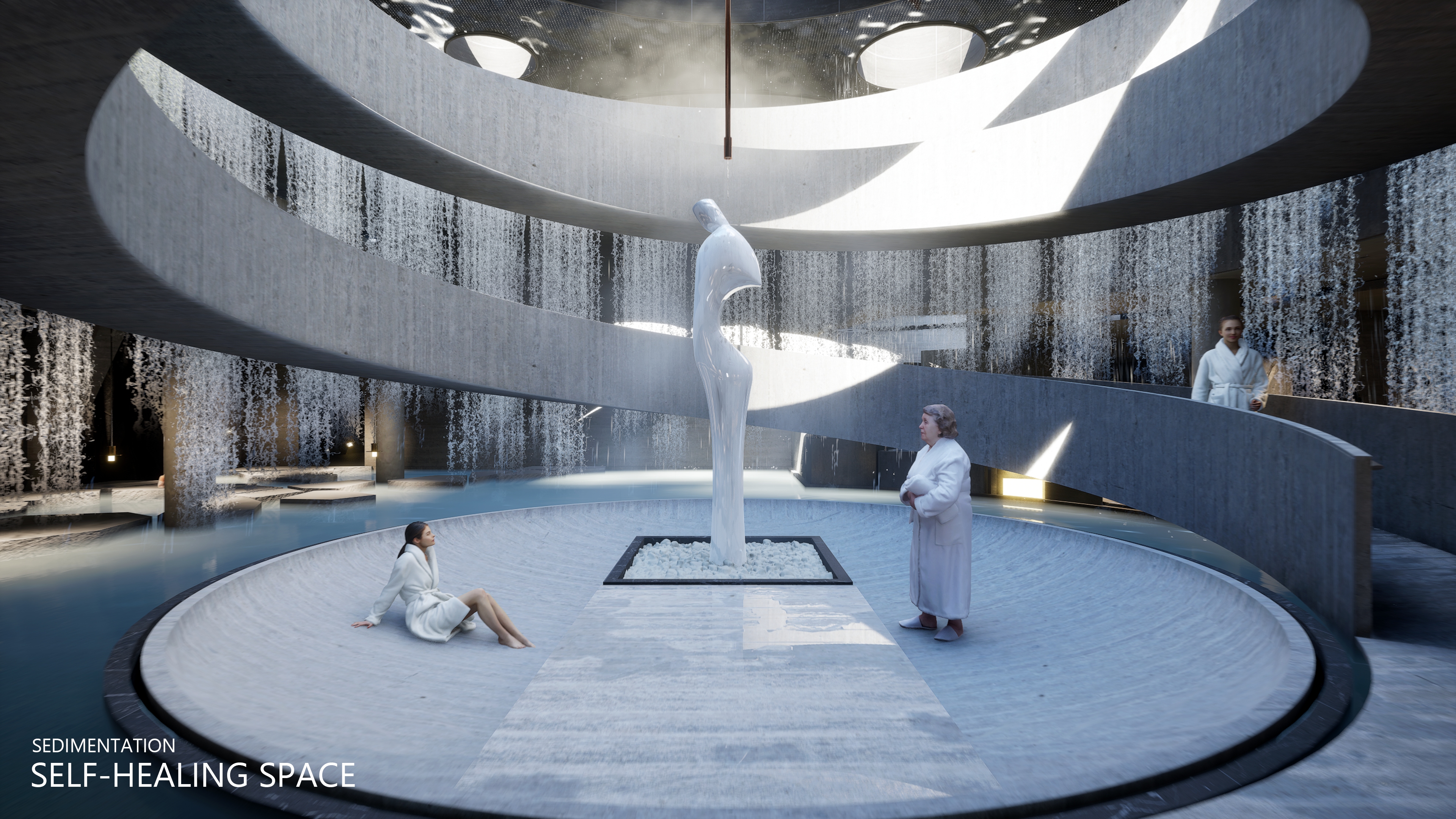
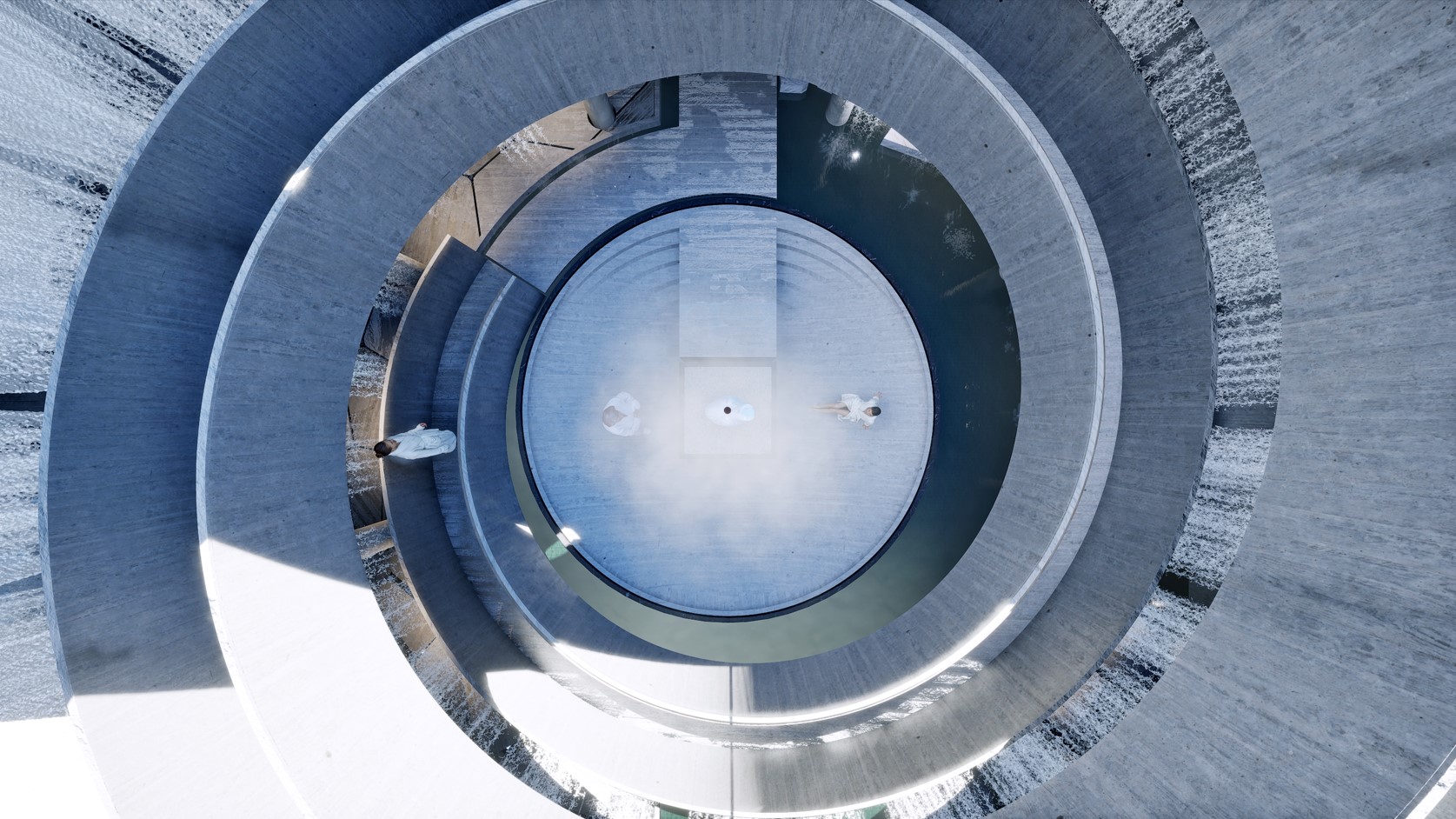
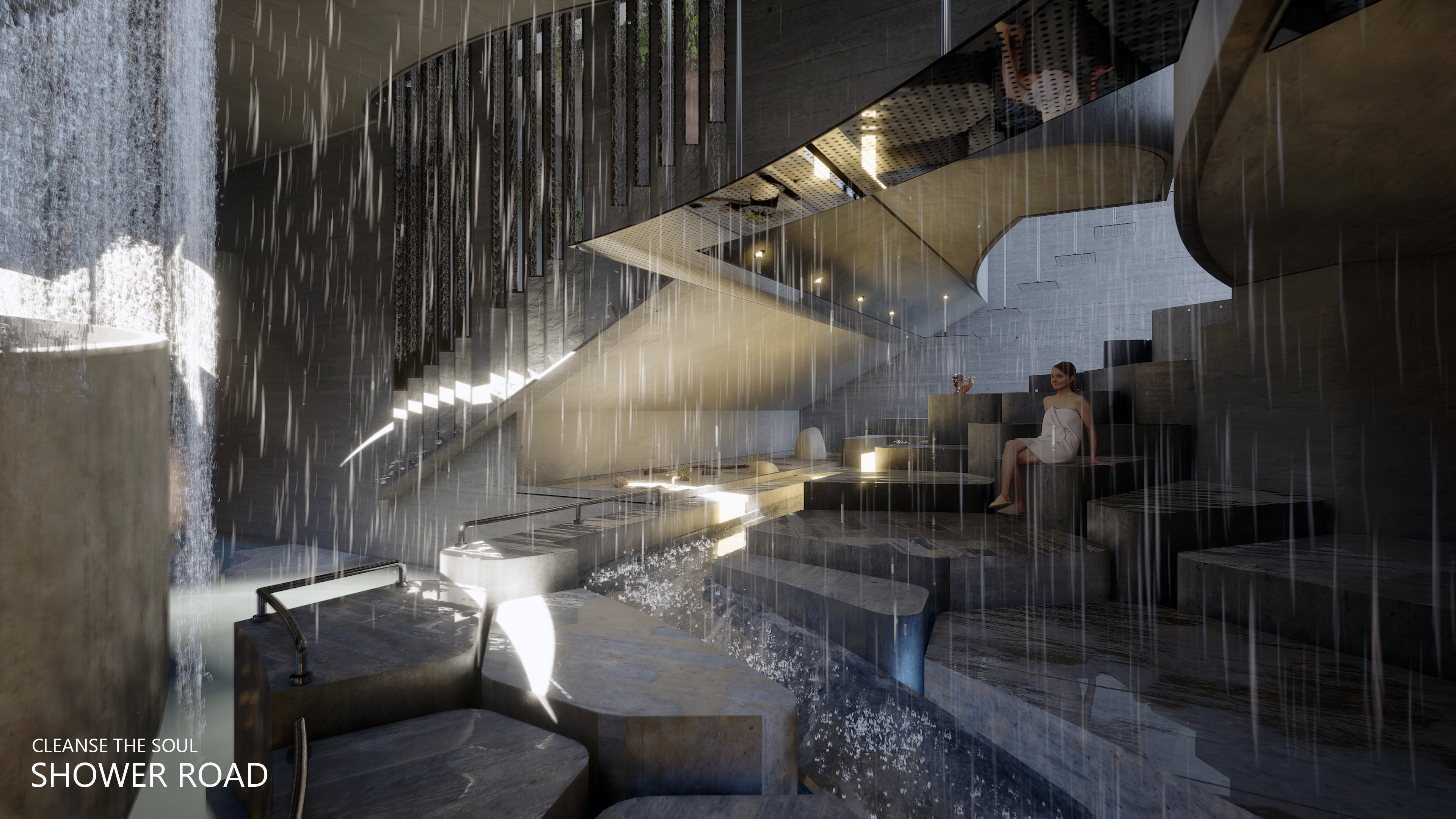
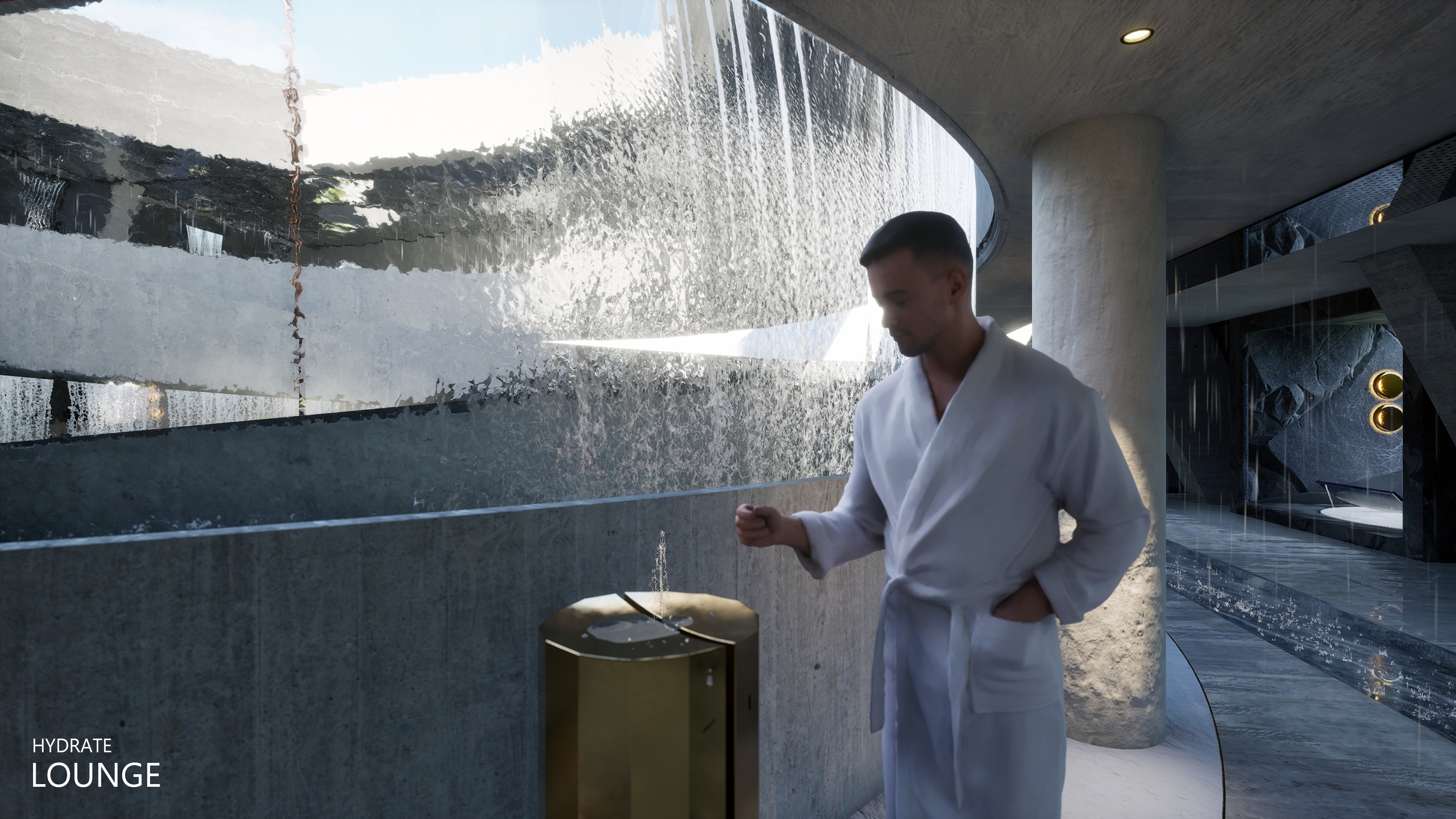
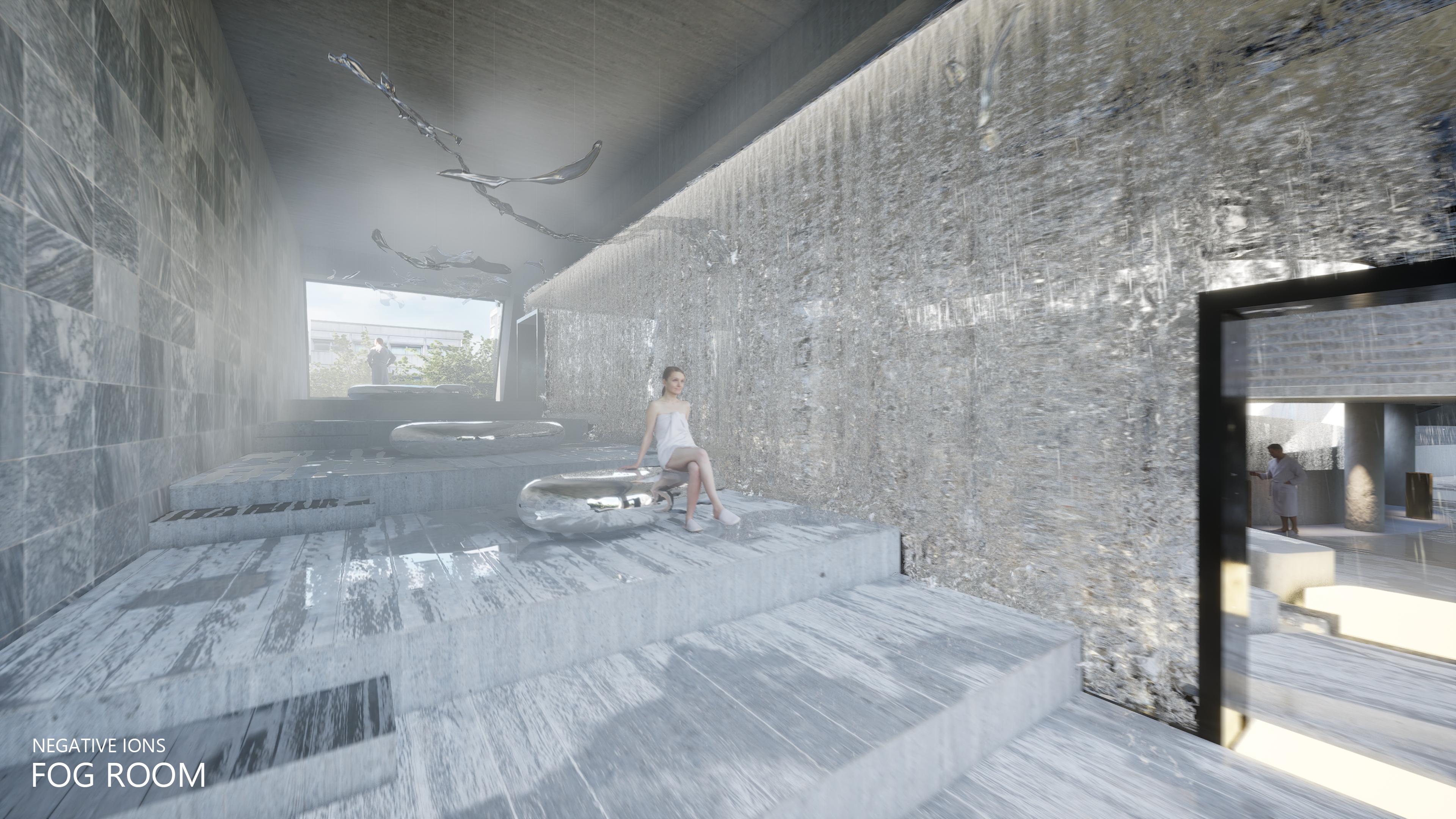
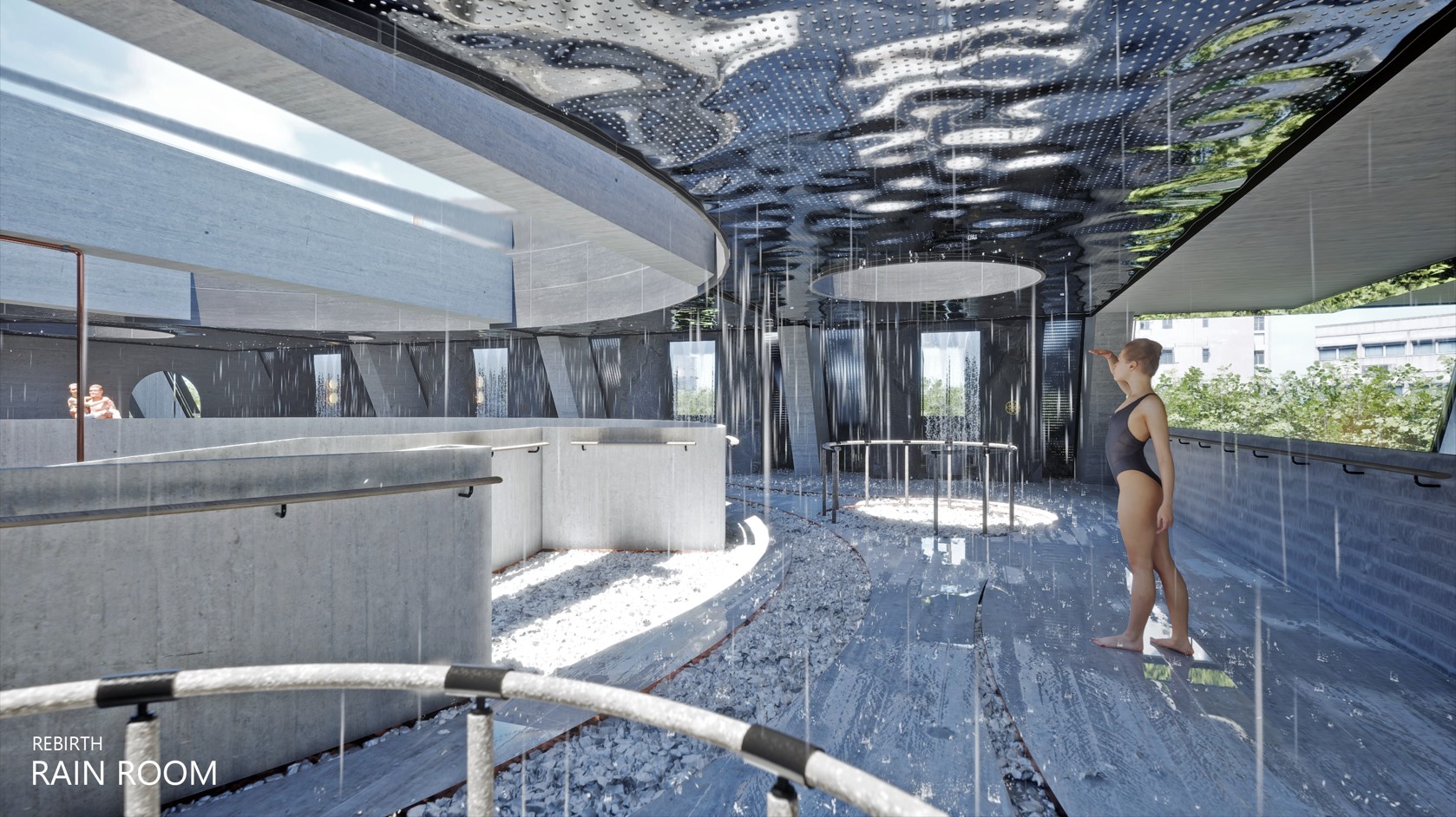
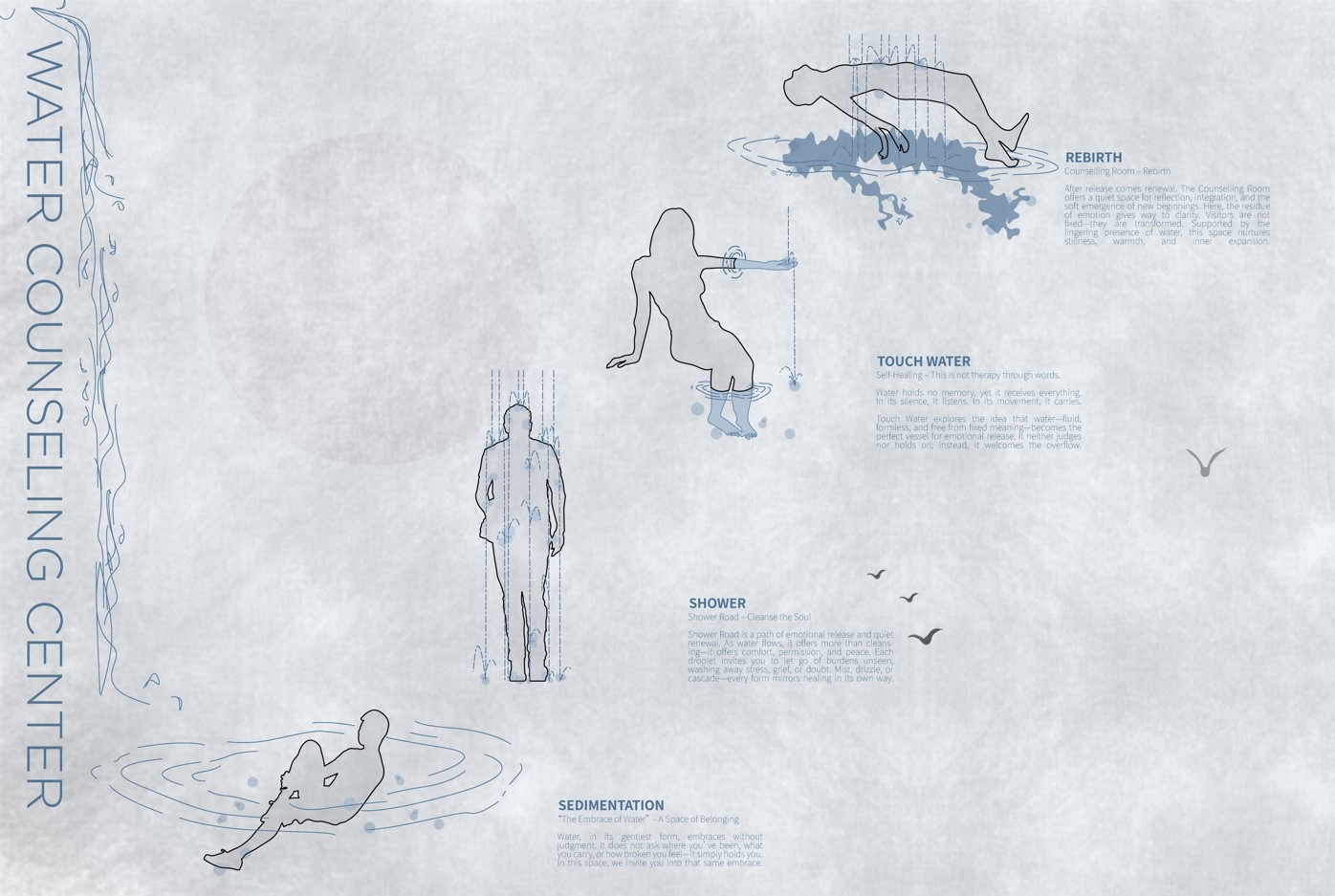
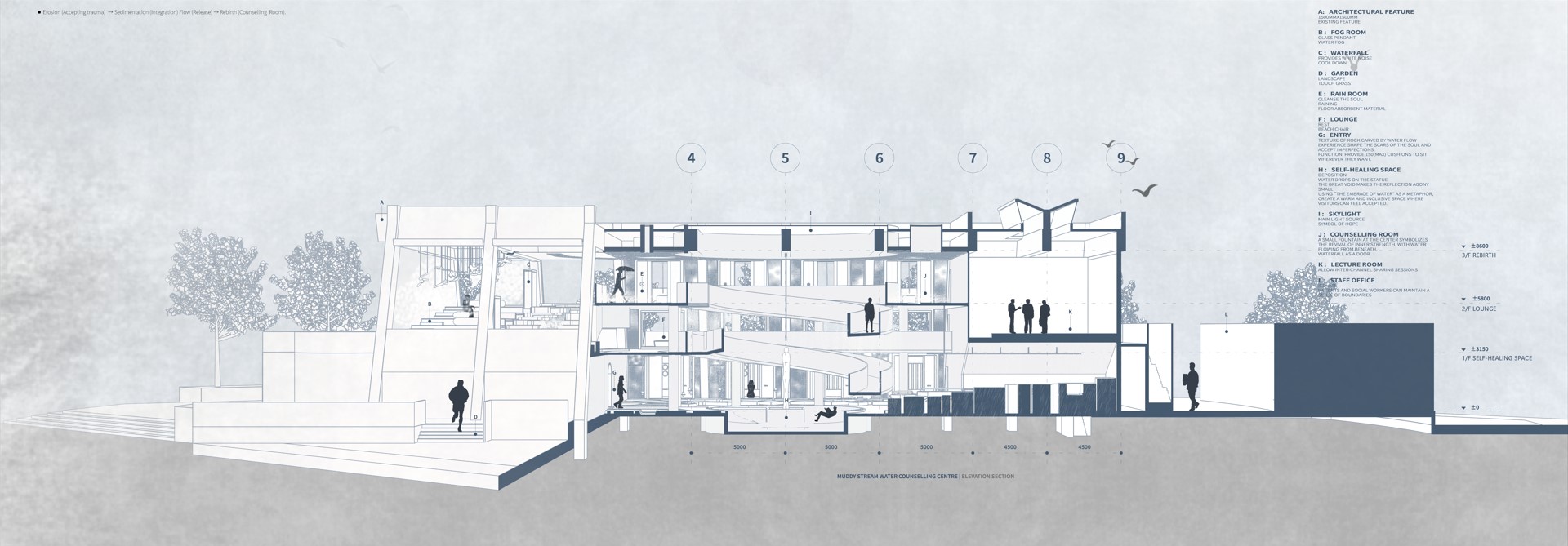
People's desire for nature reflects a pursuit of happiness. However, urban living often disconnects us from the natural world, leading to unexpressed emotions and anxieties. This lack of connection has led many to face emotional issues, making it crucial to find a tranquil space for reflection and resolution.The Water Counseling Center addresses this need, offering a space for self-reflection. In the serene environment of the Water Curtain Cave, people can observe their reflections, feel the cleansing flow of water, and absorb its energy, quickly entering a state of inner peace. This process serves not only as a spiritual renewal but also as a vital means of self-repair, helping individuals regain balance and rekindle their passion for life.
Winner
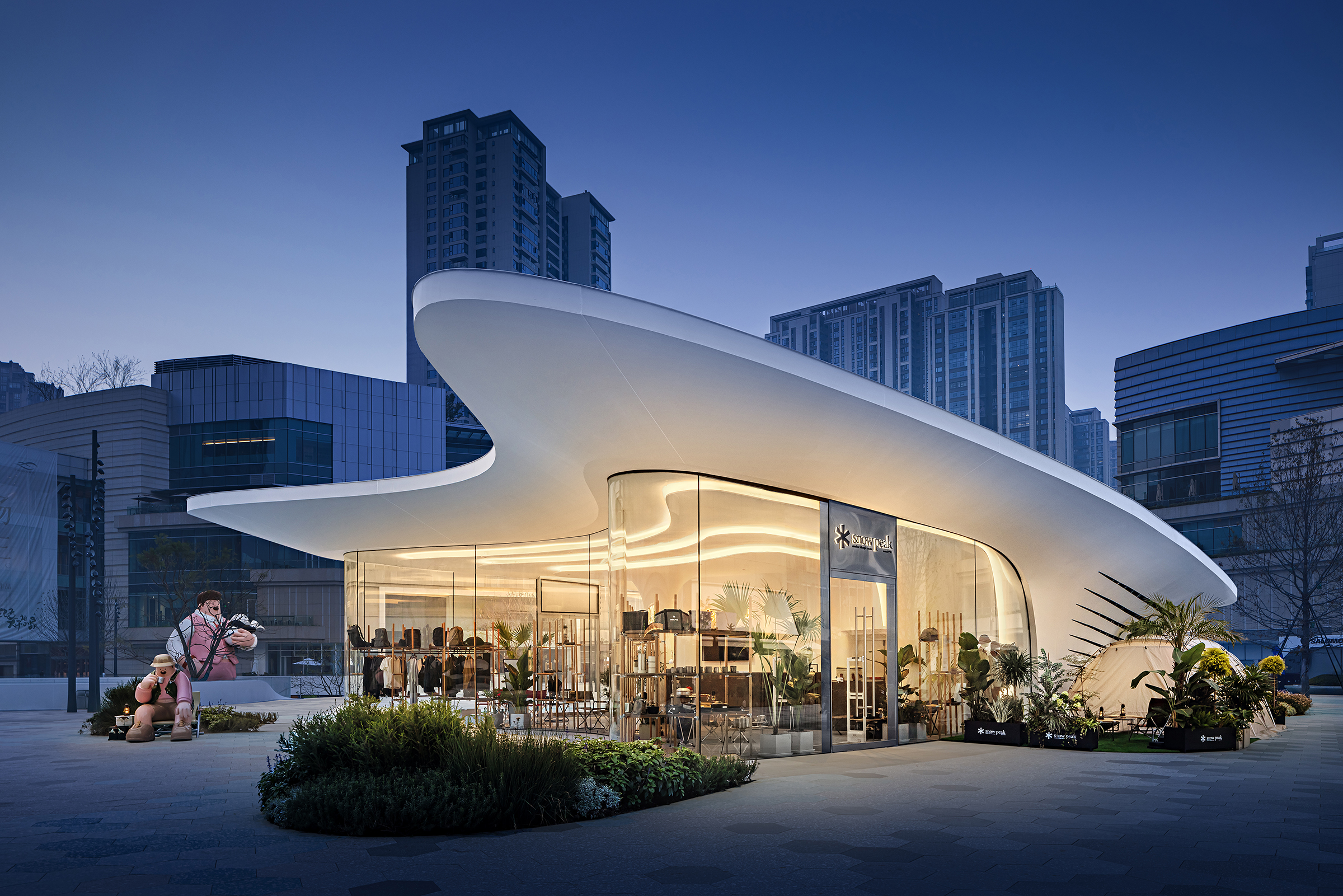
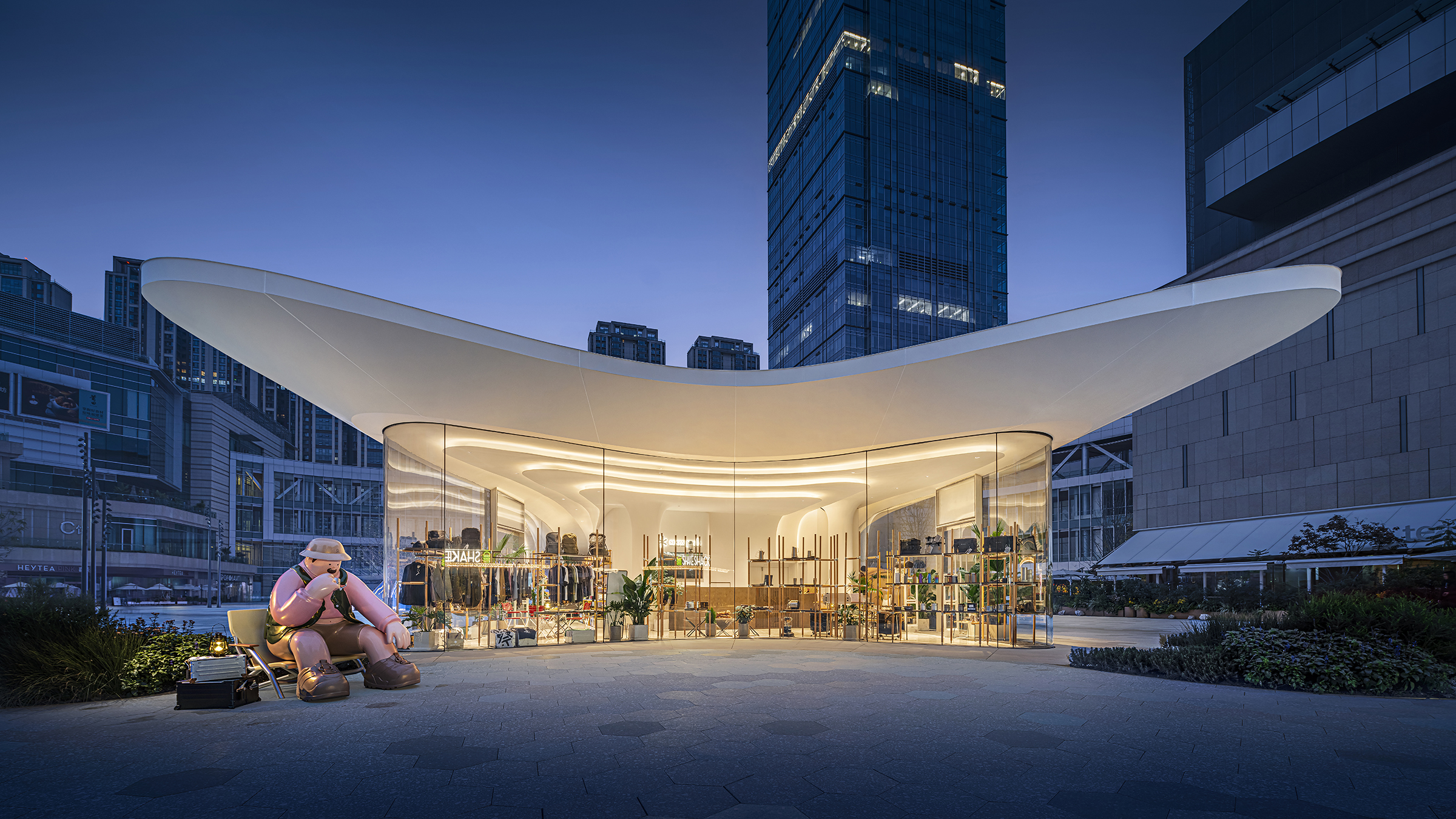
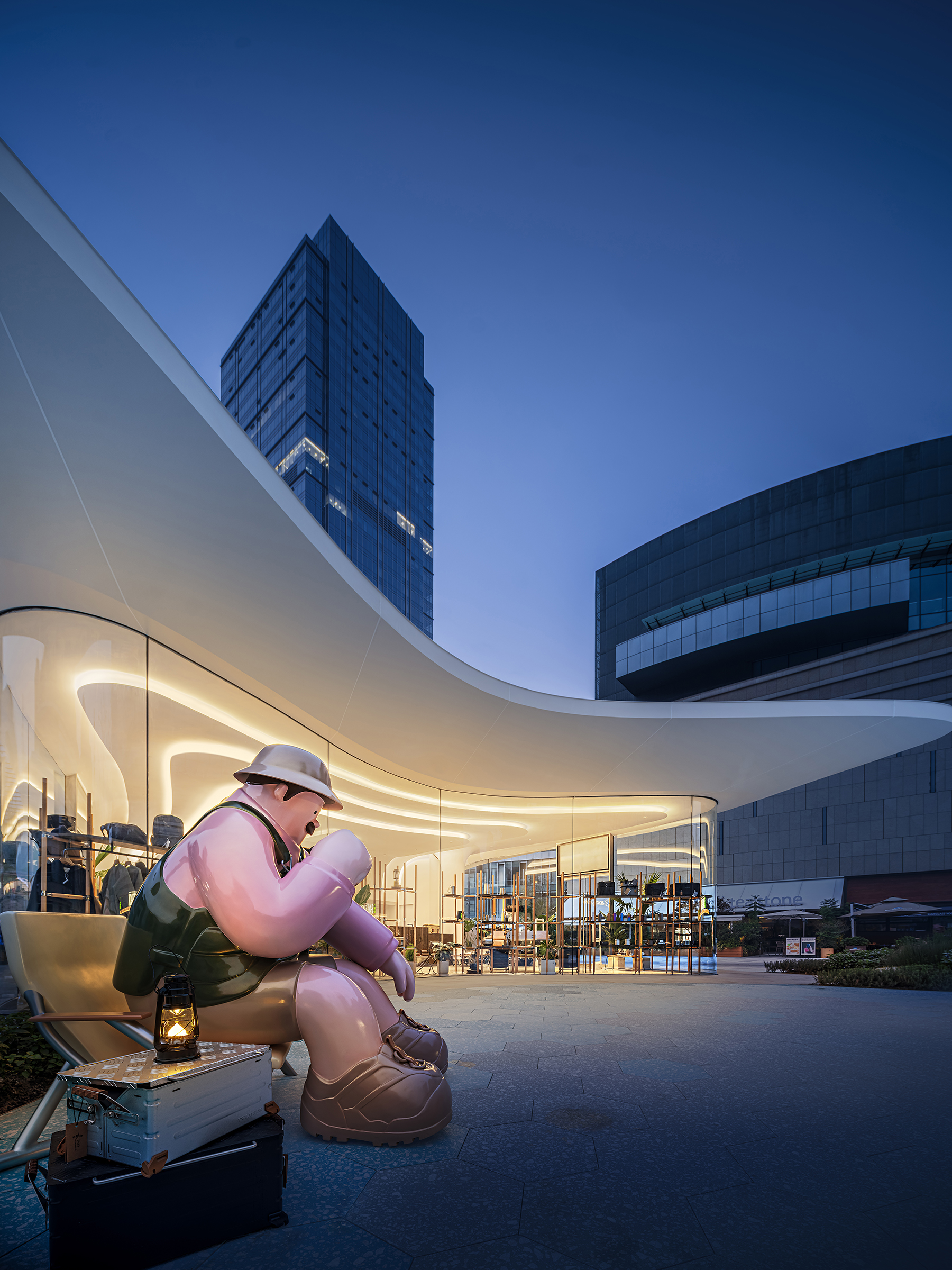
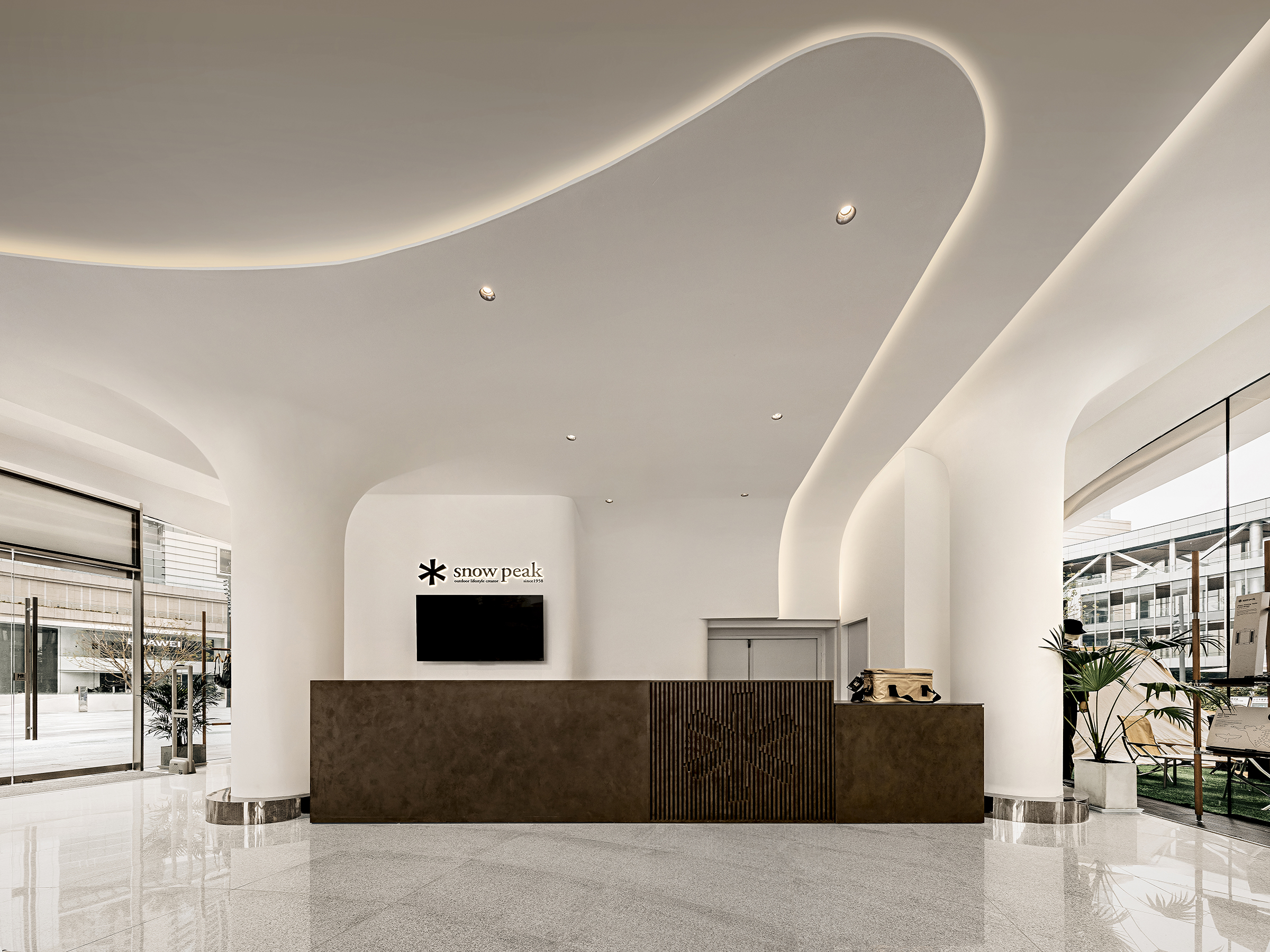
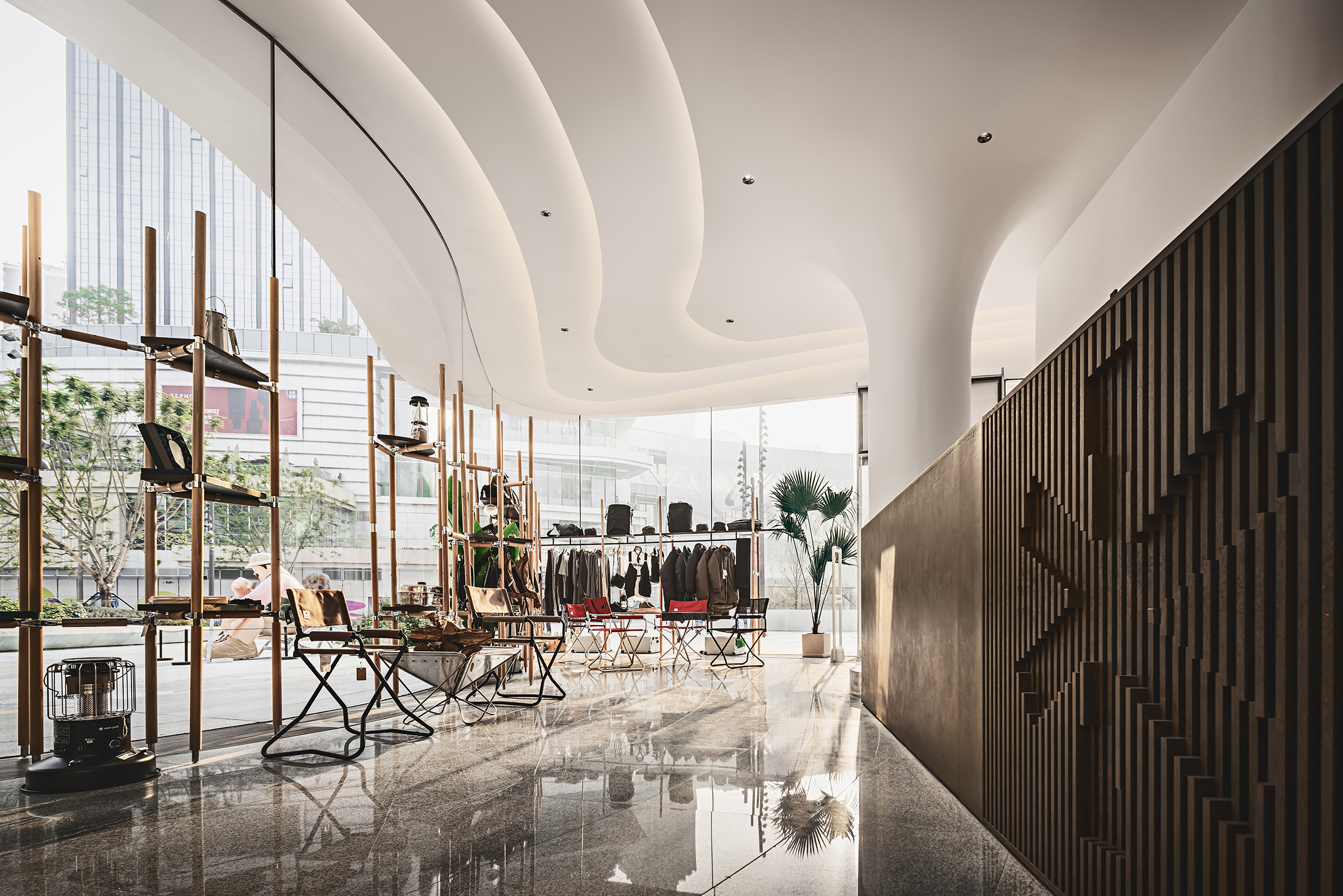
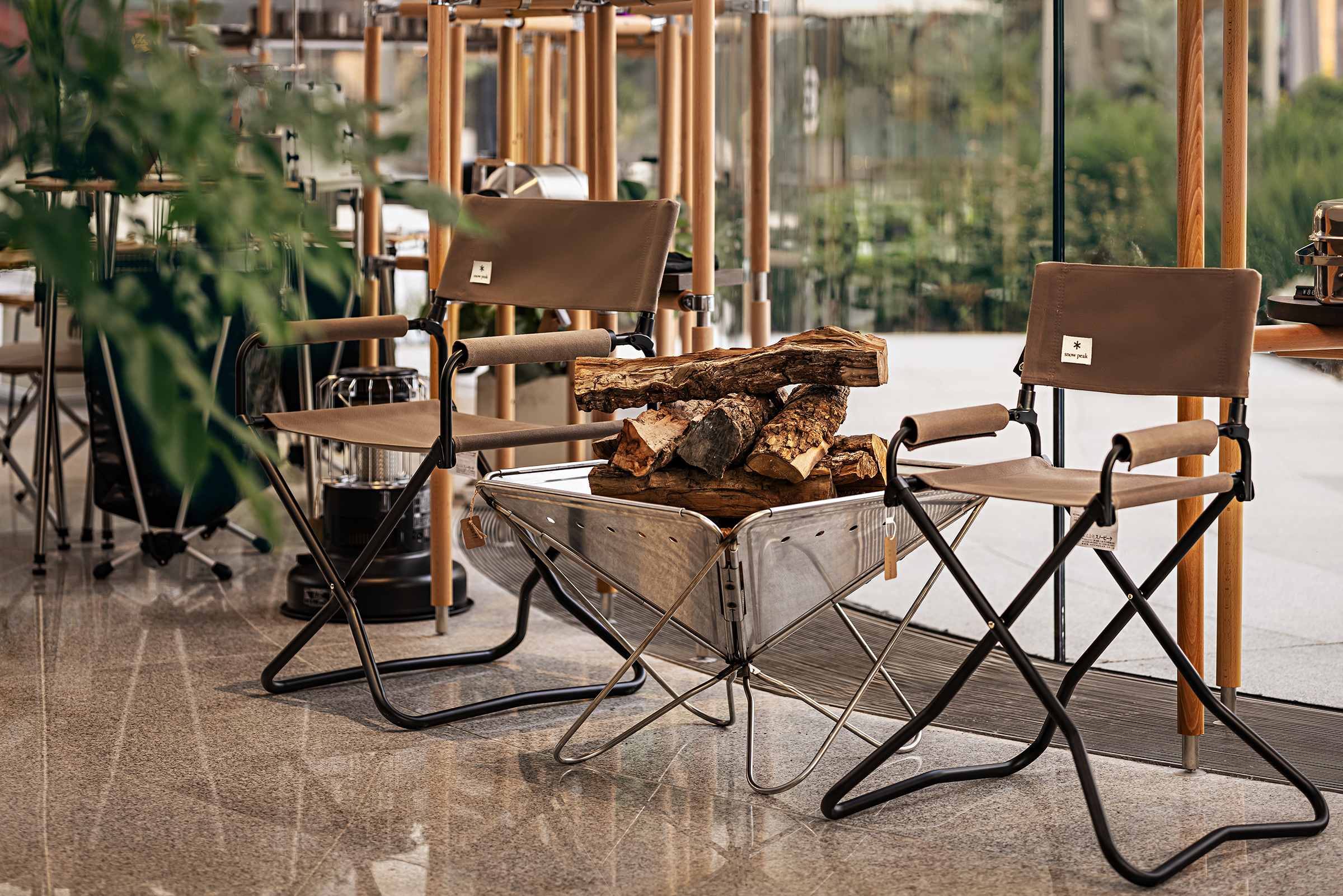
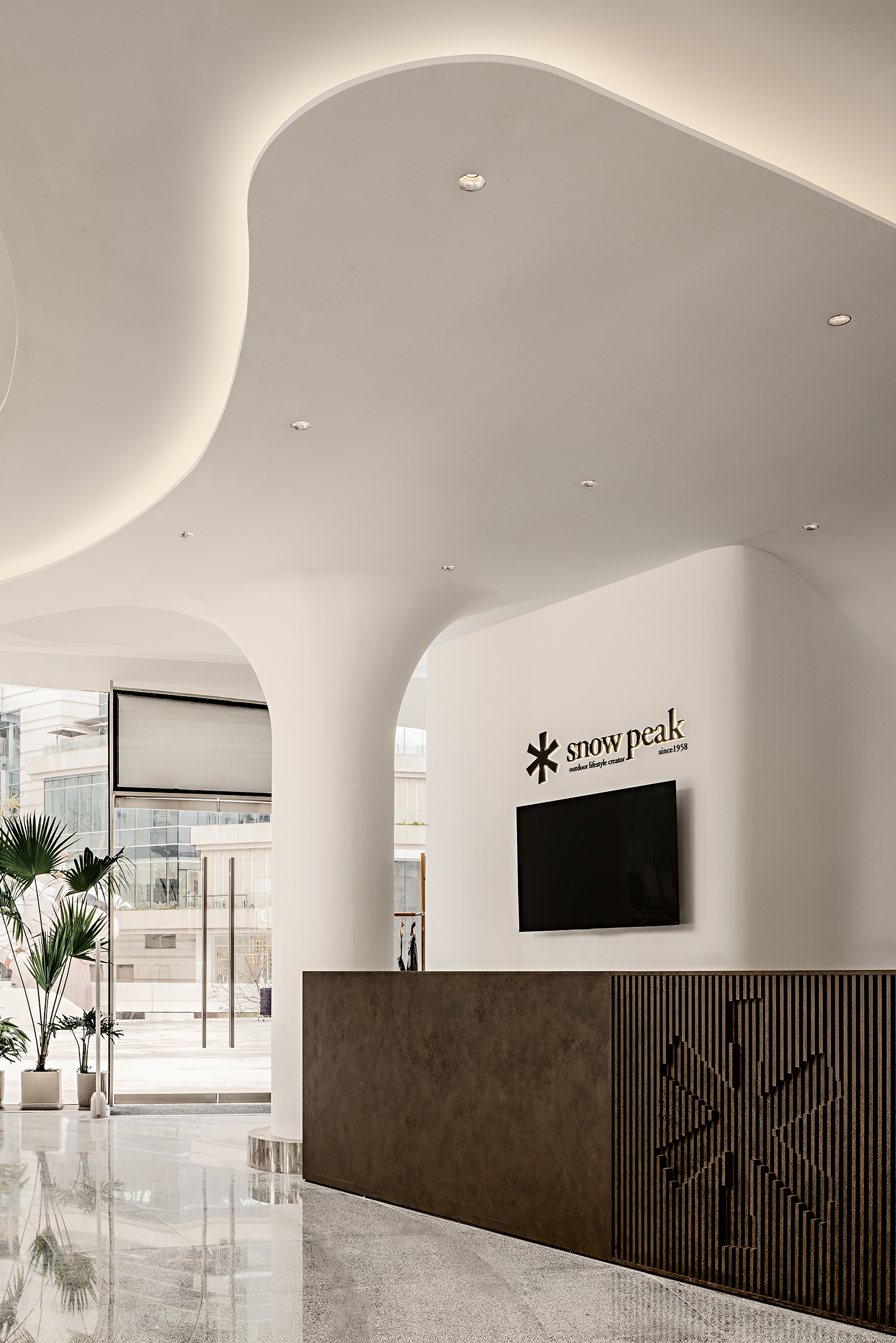
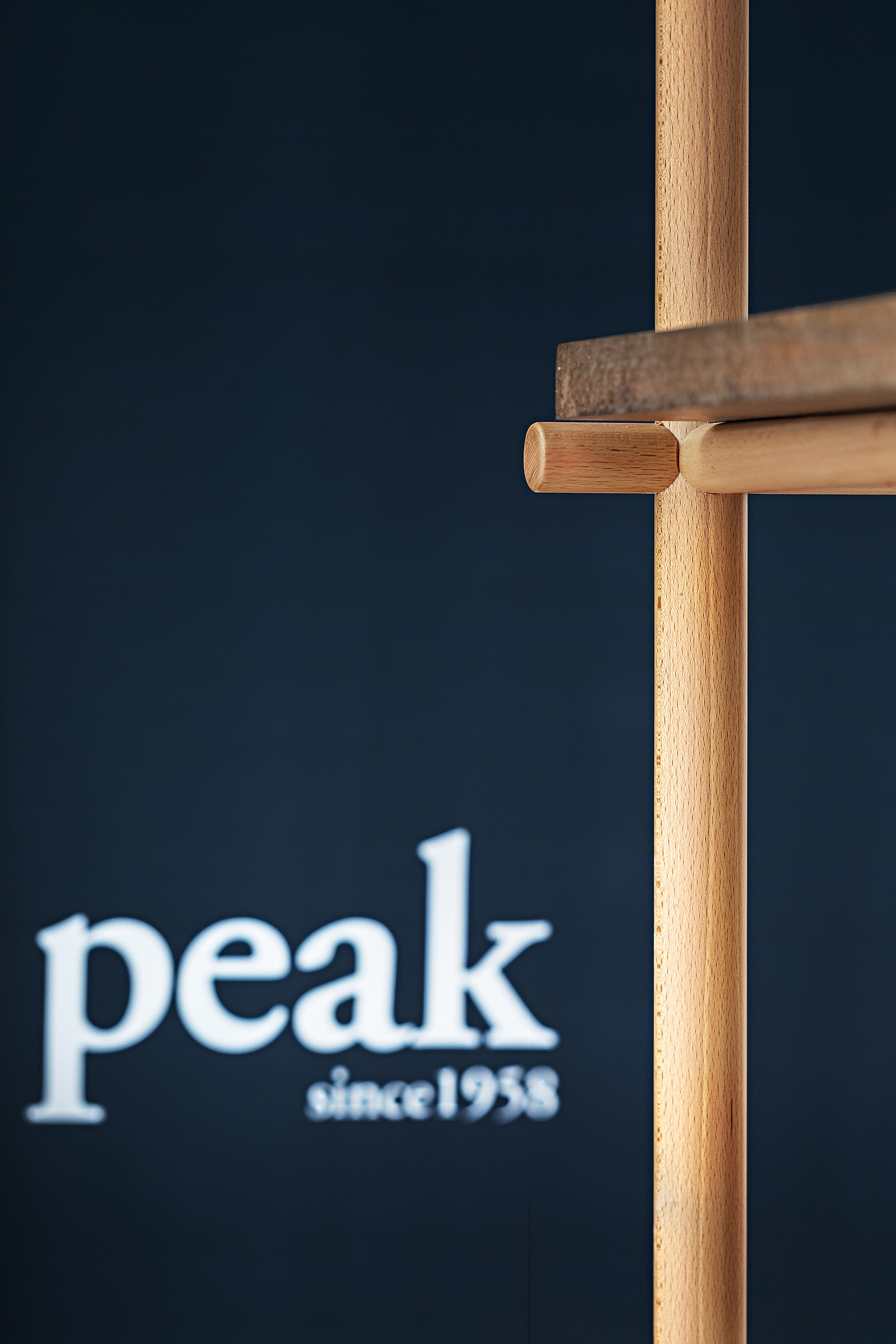
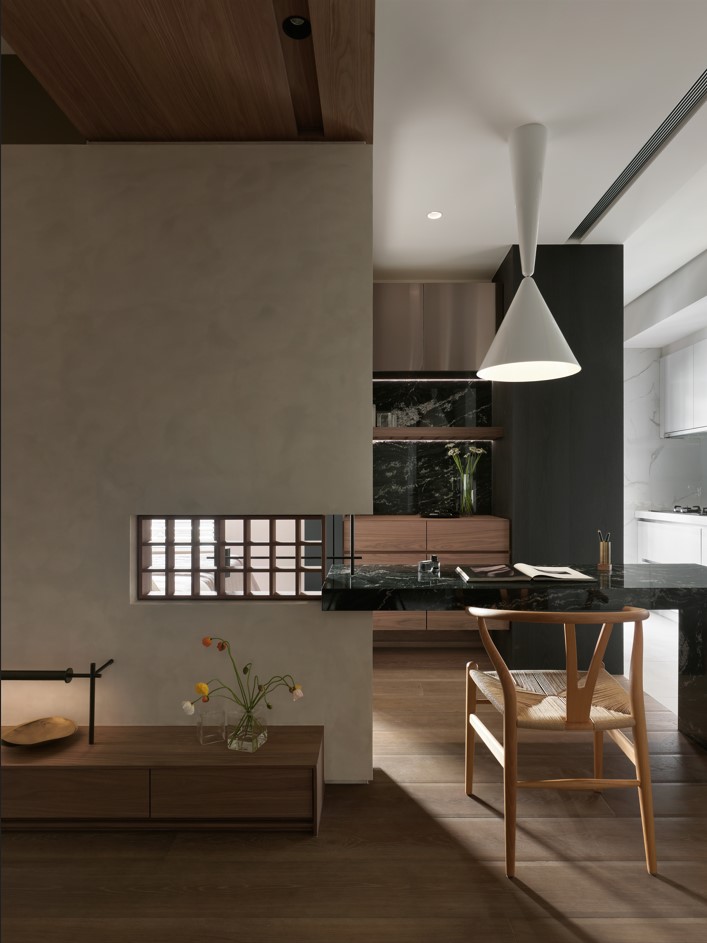
Located in Chengdu, this project introduces a unique “slow-flash store” concept, blending sustainability with modular design. Drawing inspiration from bamboo, a symbol of growth and environmental consciousness, the design integrates natural materials such as European beech wood and stainless steel, creating an aesthetically pleasing and functional display space. The design incorporates reusable and easily reassembled components, ensuring long-term adaptability and reducing environmental impact. The use of eco-friendly materials aligns with the brand's commitment to sustainability, while the modular approach allows for flexible customization, making the space not only visually appealing but also practical. The overall design philosophy combines natural elements with modern sensibilities, fostering a connection between nature and urban life.
Winner
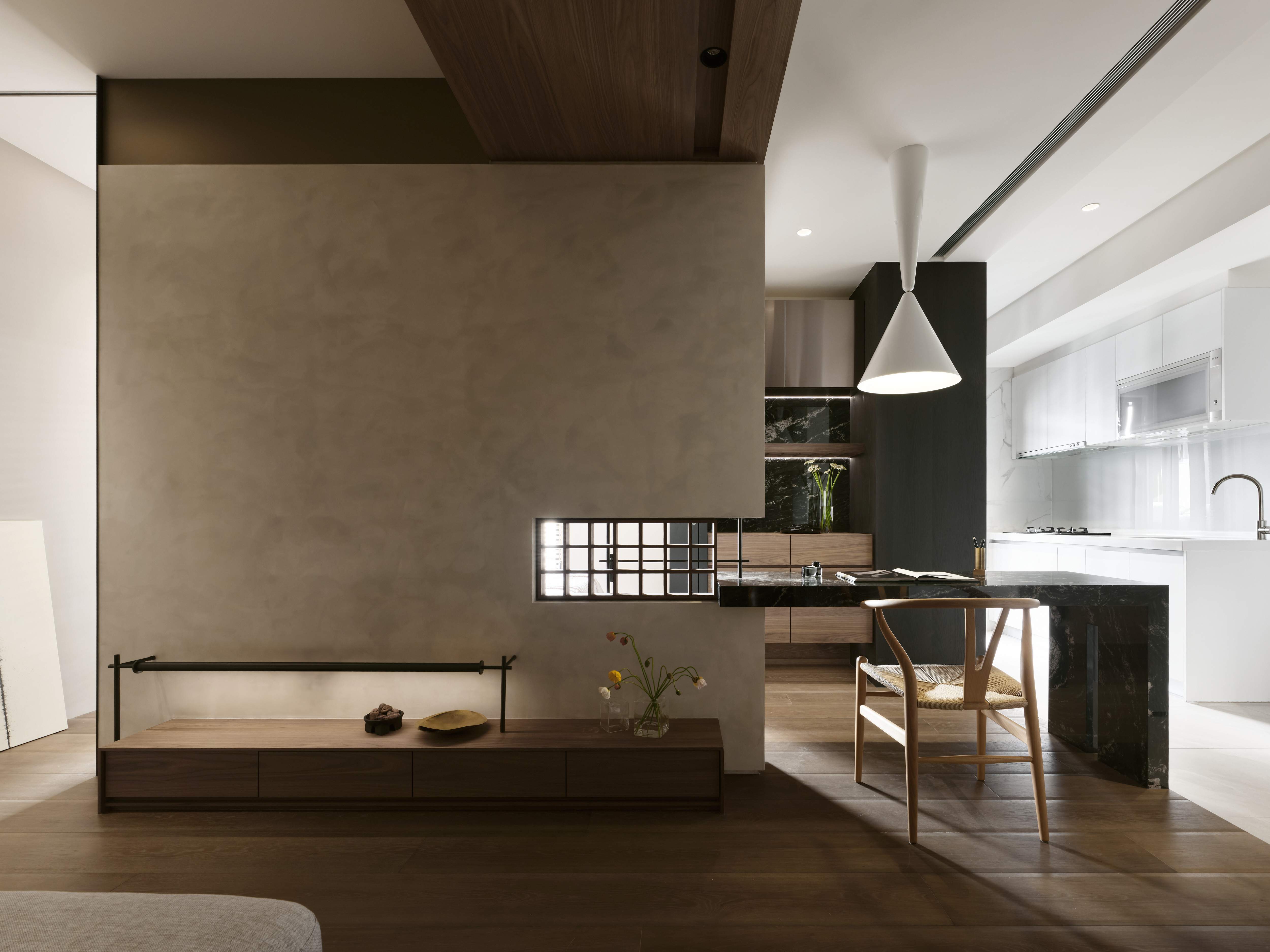
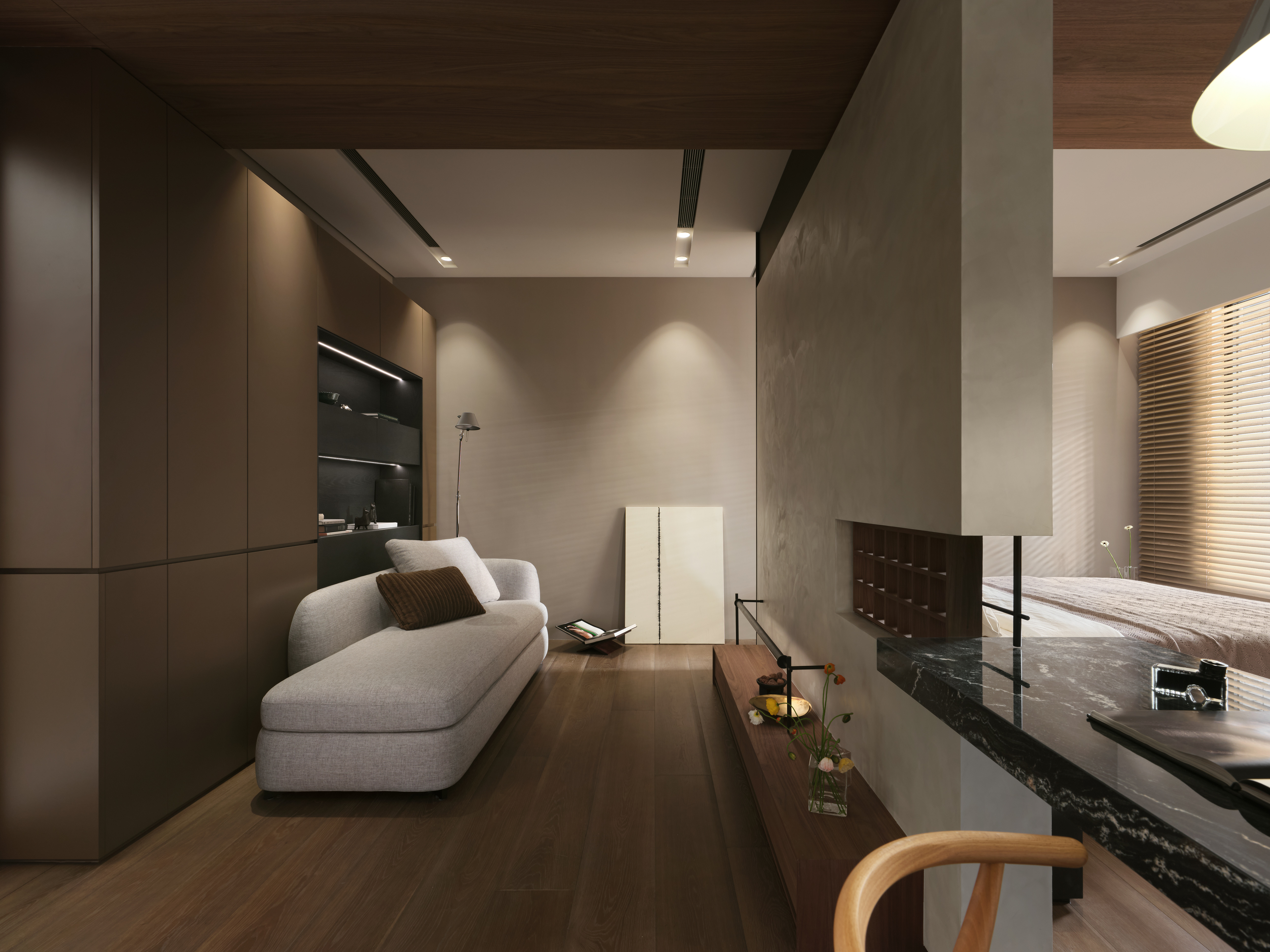
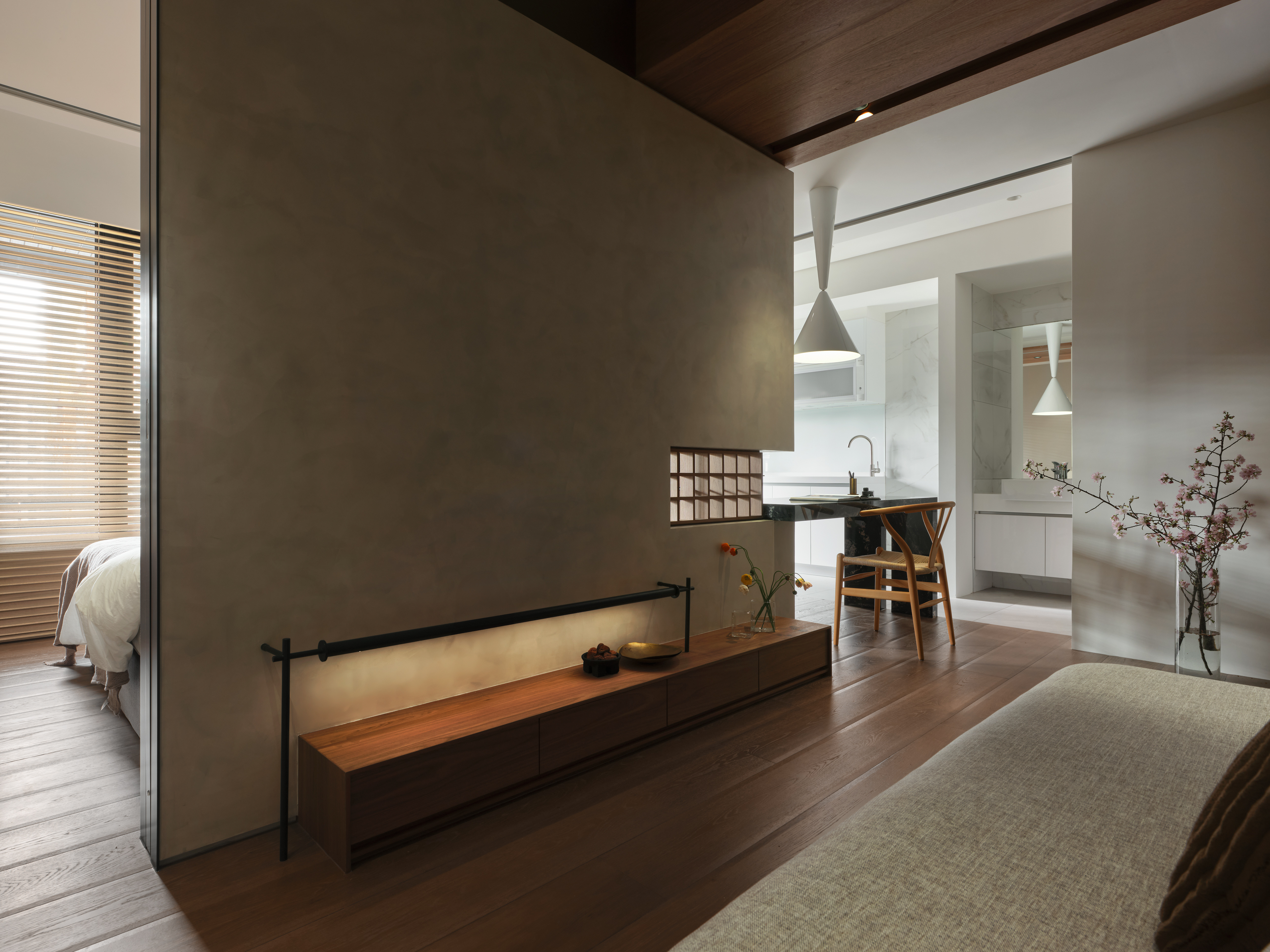
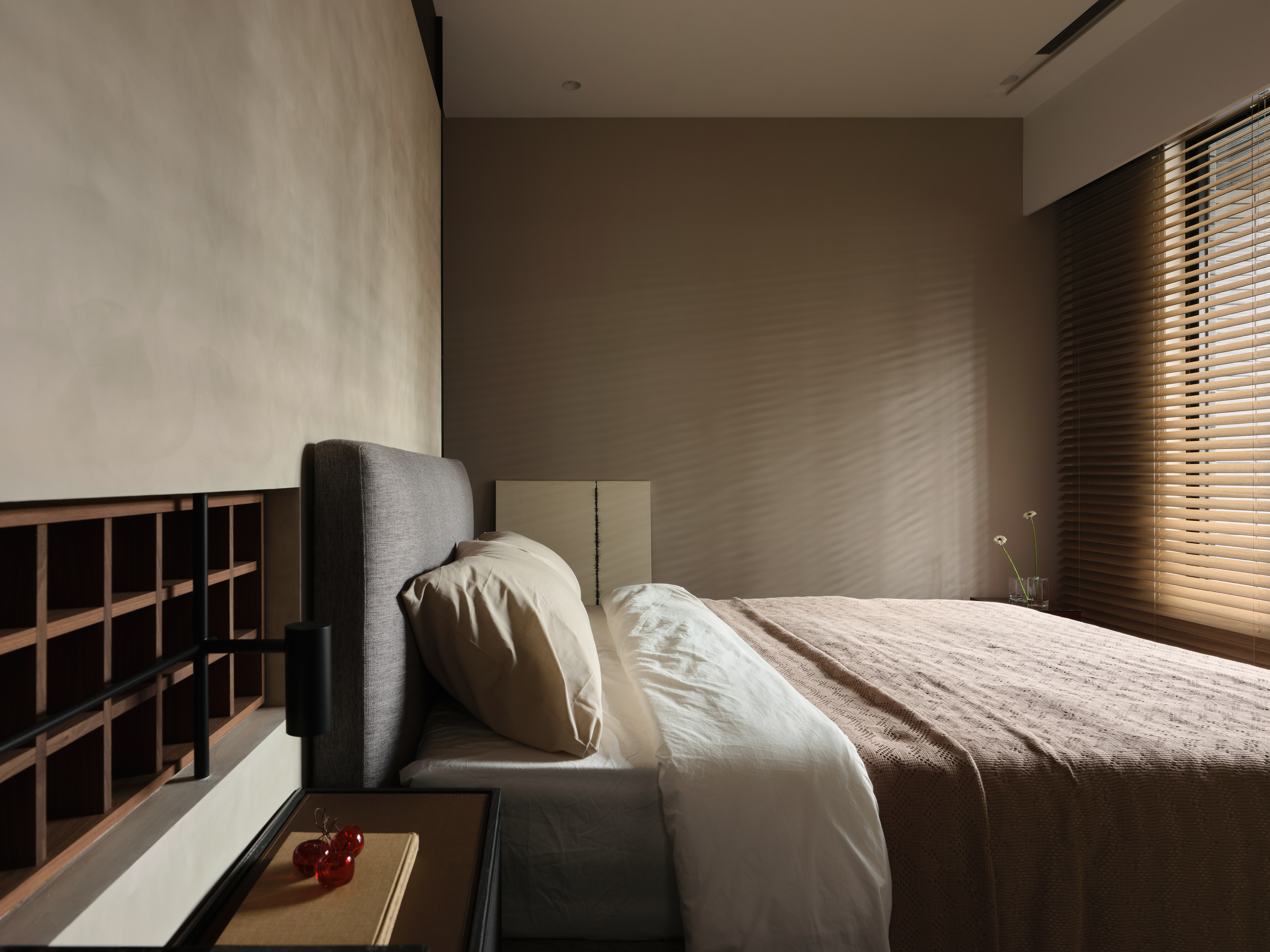
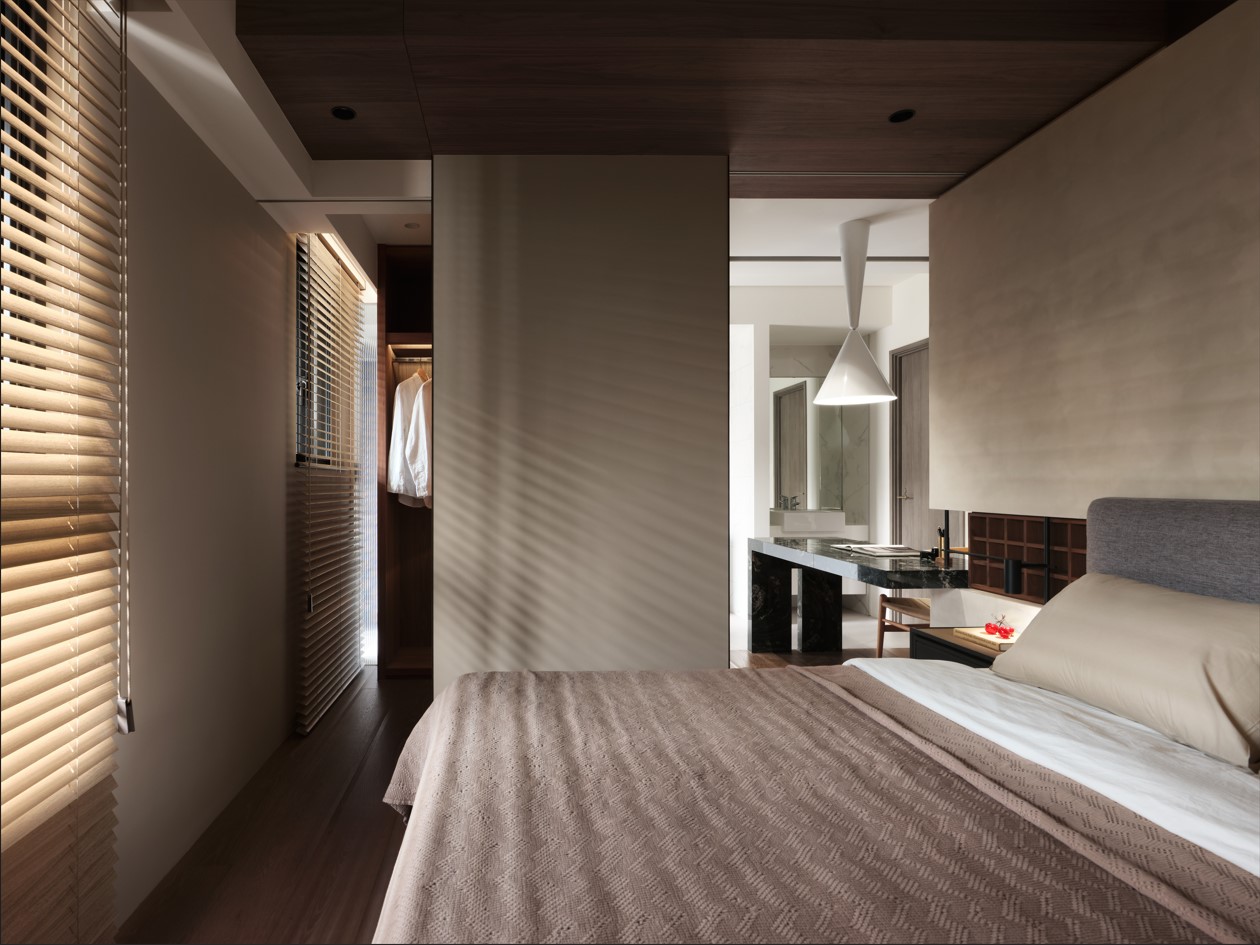
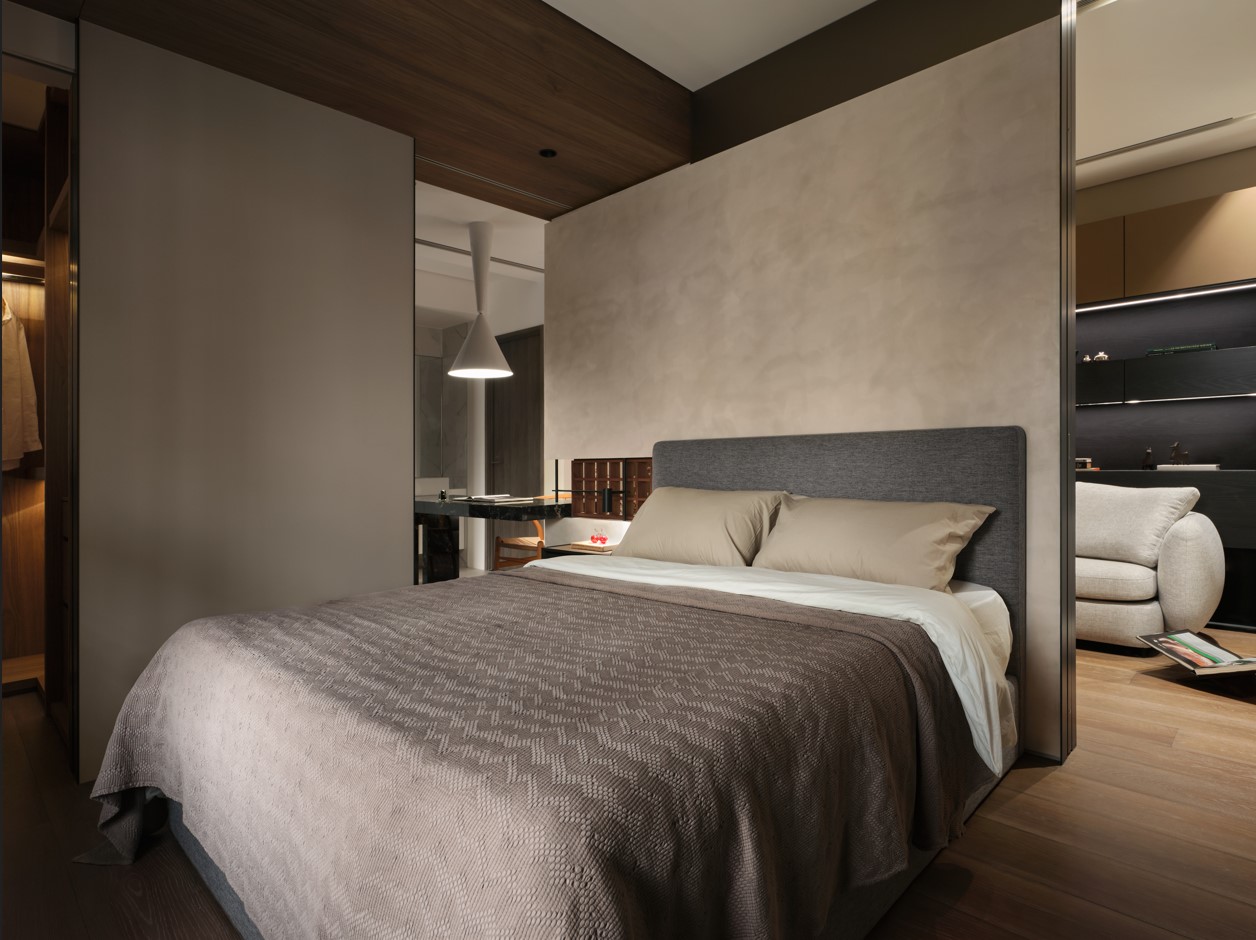
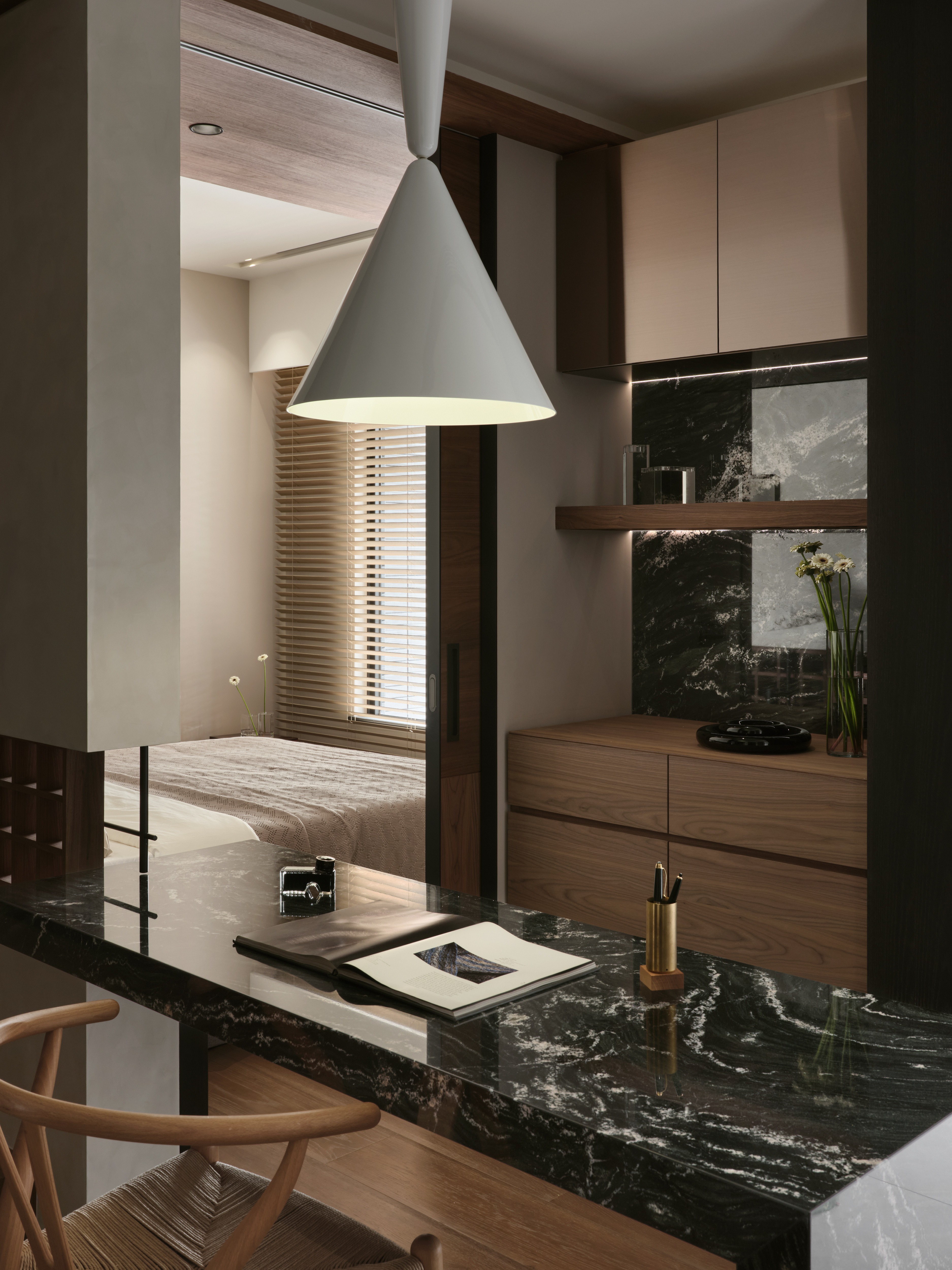
In the hustle and bustle of life, finding a space that belongs to oneself is what truly defines a home; it's not about the size of the space but about the experience of the journey. In the floor plan layout, we use a single vertical plane to gather and disperse the connections between different parts of the space, ensuring both functional use and fluid movement.By incorporating sliding doors, we allow the space to transform dynamically, where the door no longer serves just as a functional element for privacy, but also acts as a medium that defines and connects the space, making it larger and more flexible.In terms of functionality, the TV wall connects to the dining table, enabling the designer to create a simple yet powerful visual element on the facade that extends outward.
Winner
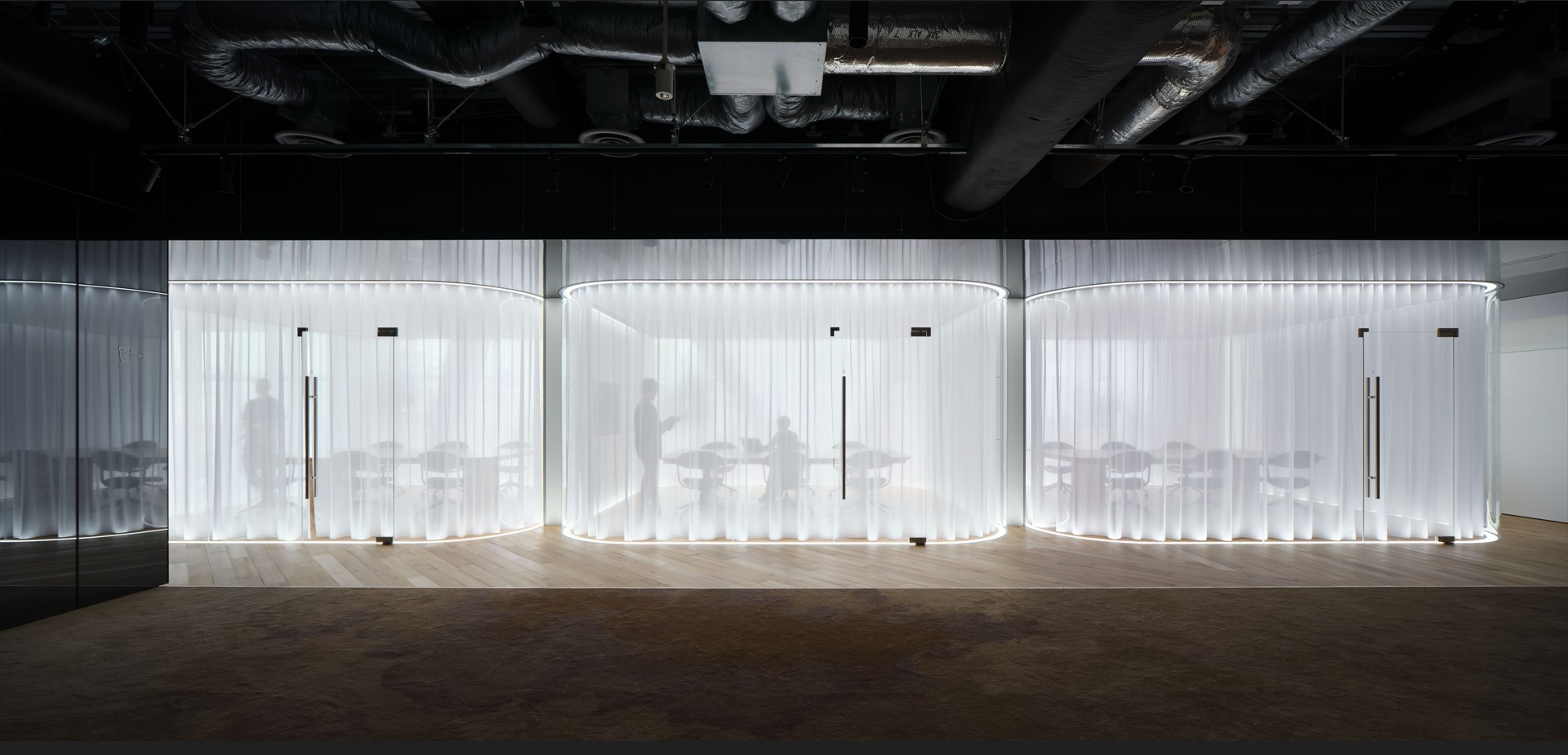
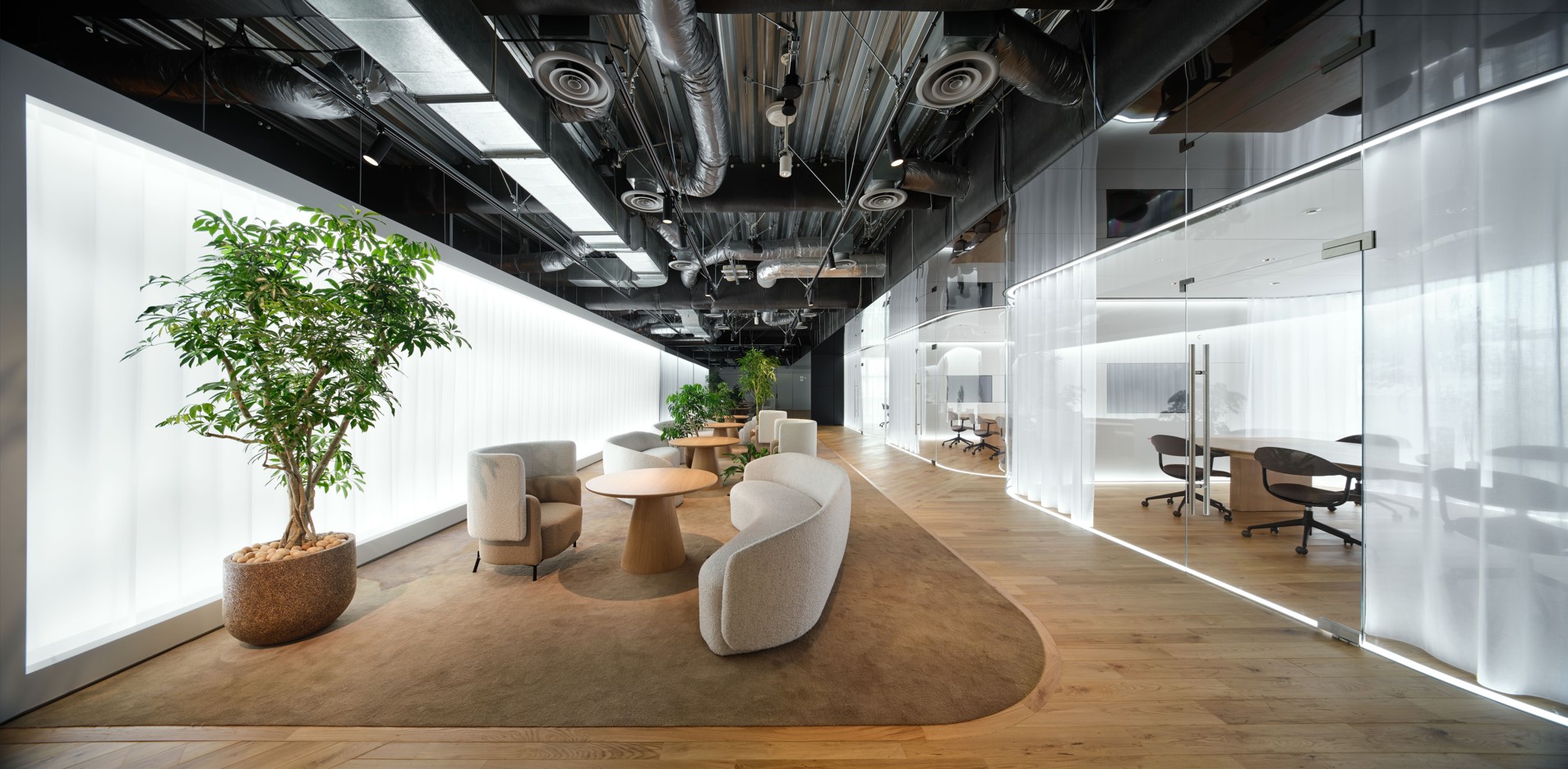
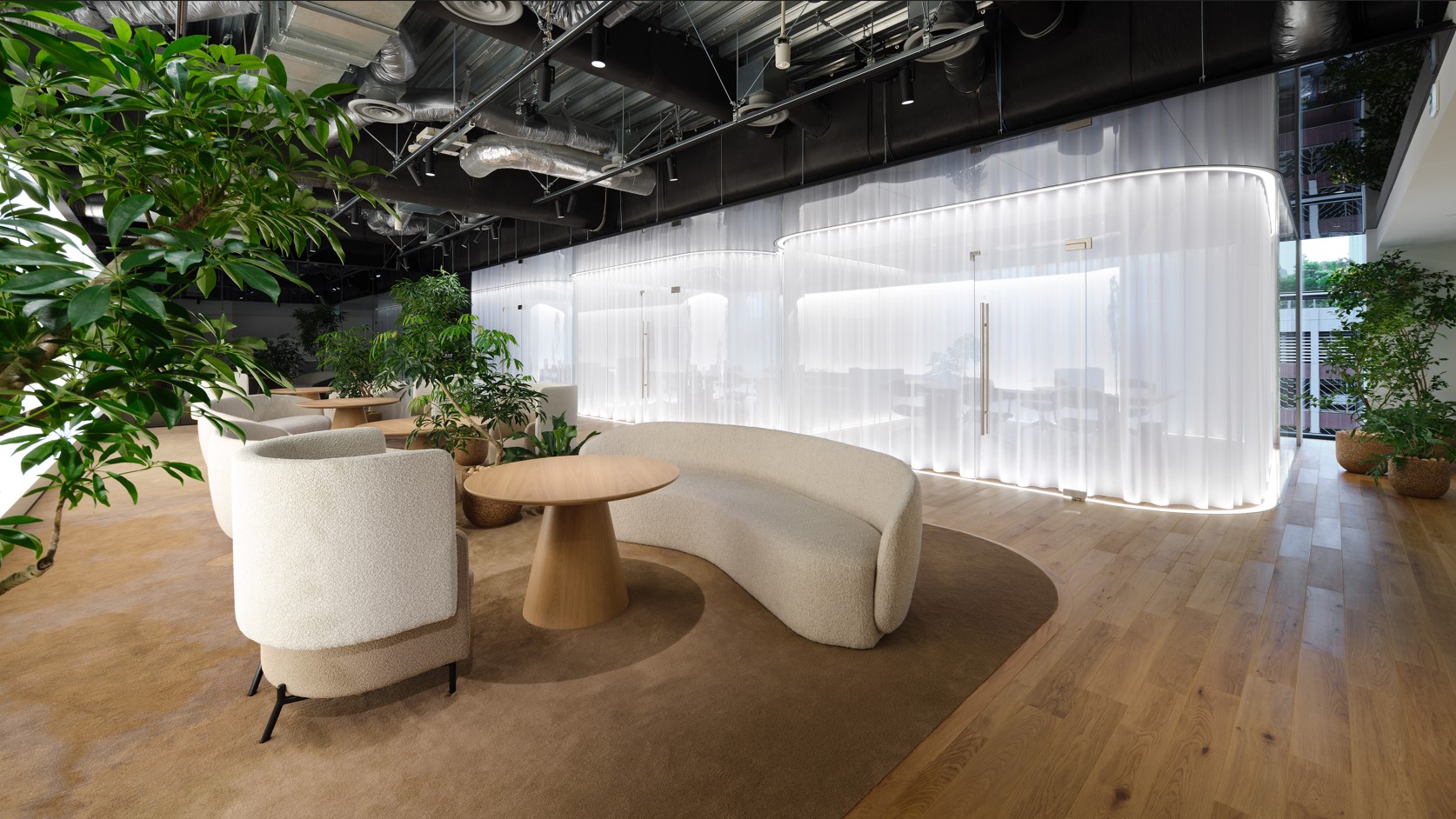
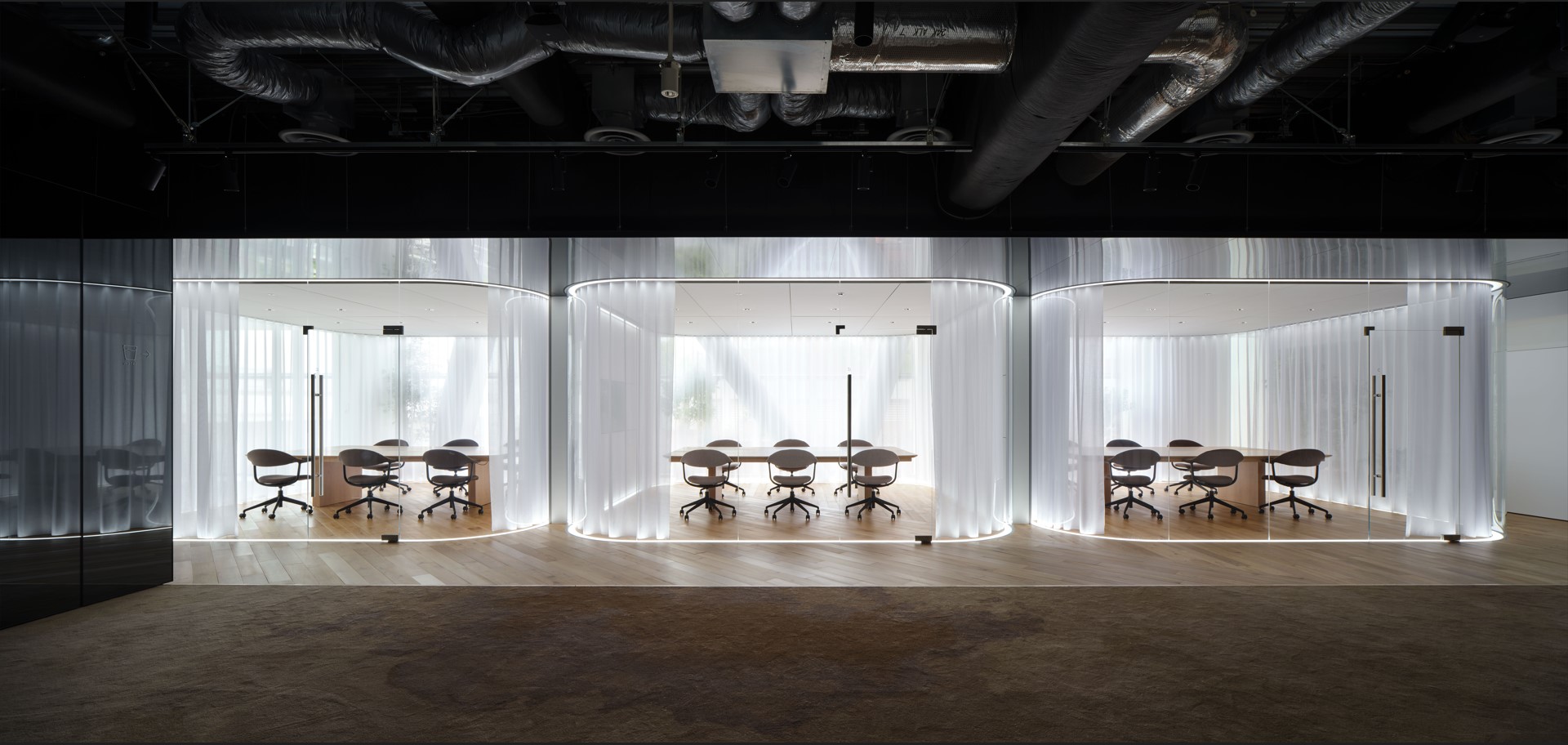
This space comprises meeting rooms and a waiting area designed for recruitment interviews.
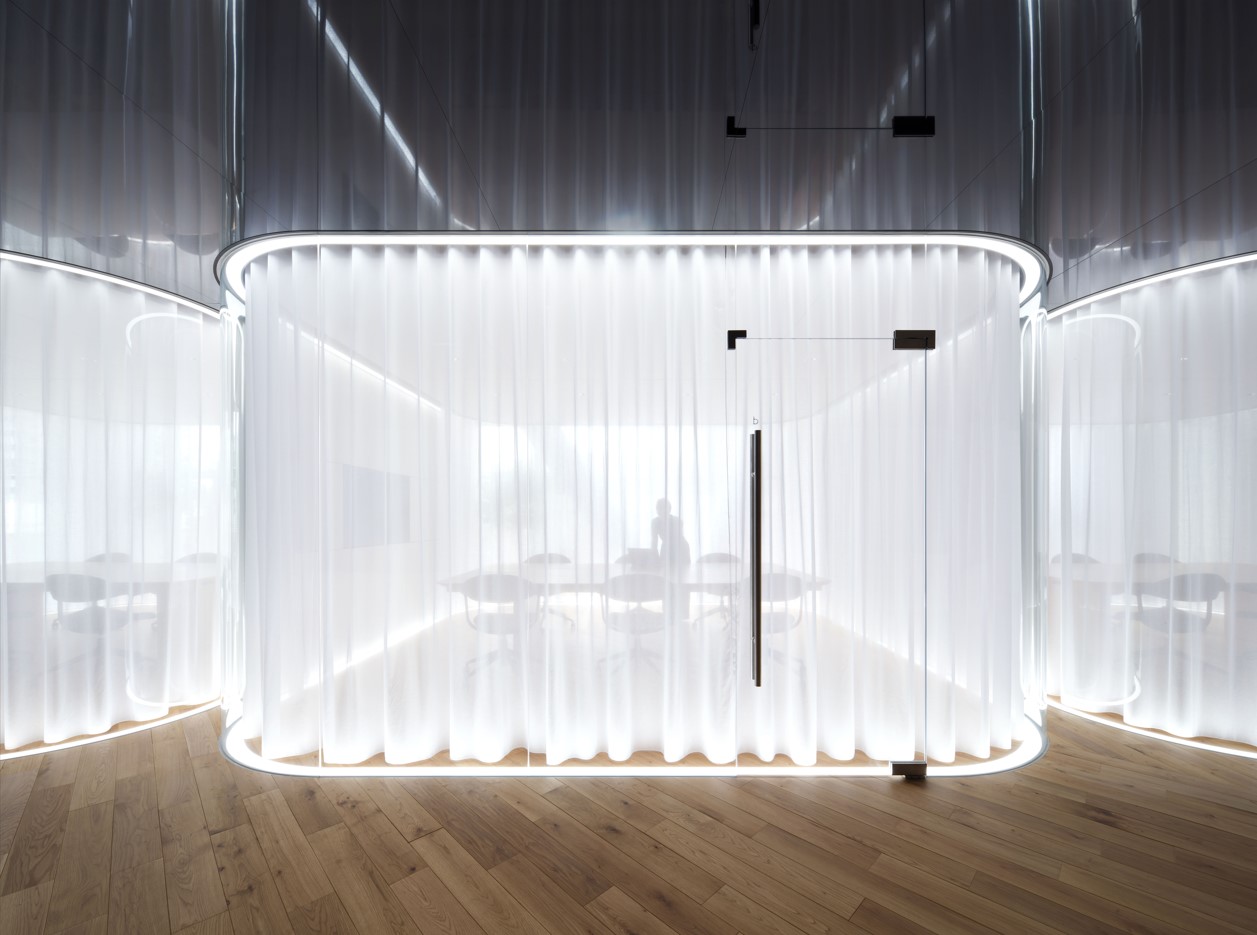
As visitors are likely to feel tense upon arrival, we developed the concept “tokeru”—a Japanese word meaning both “to melt” and “to release tension.” The design aims to create an environment where guests can relax and perform at their best.
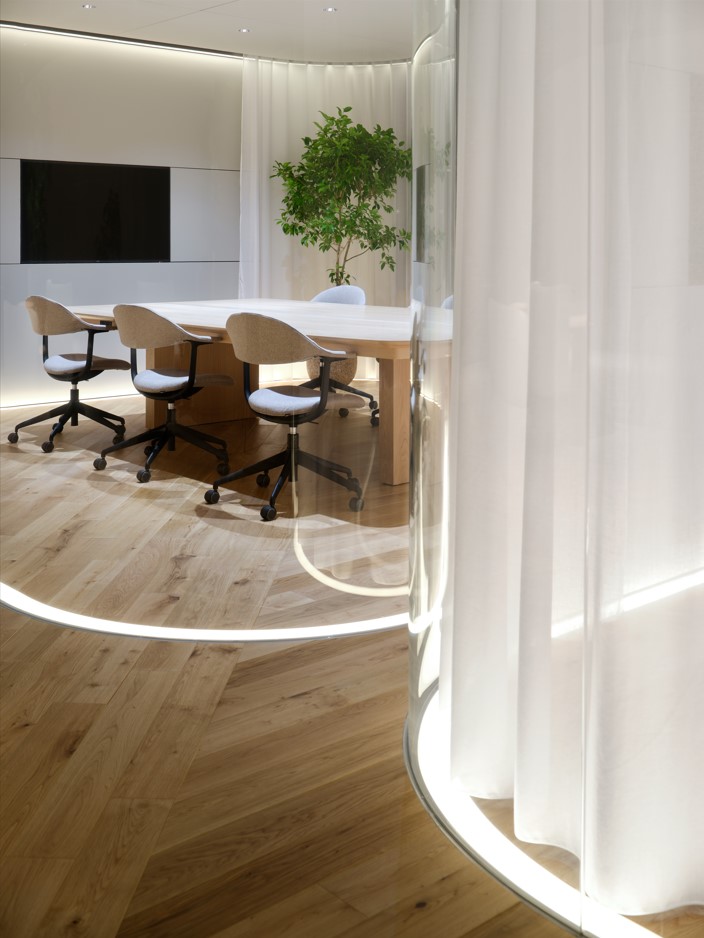
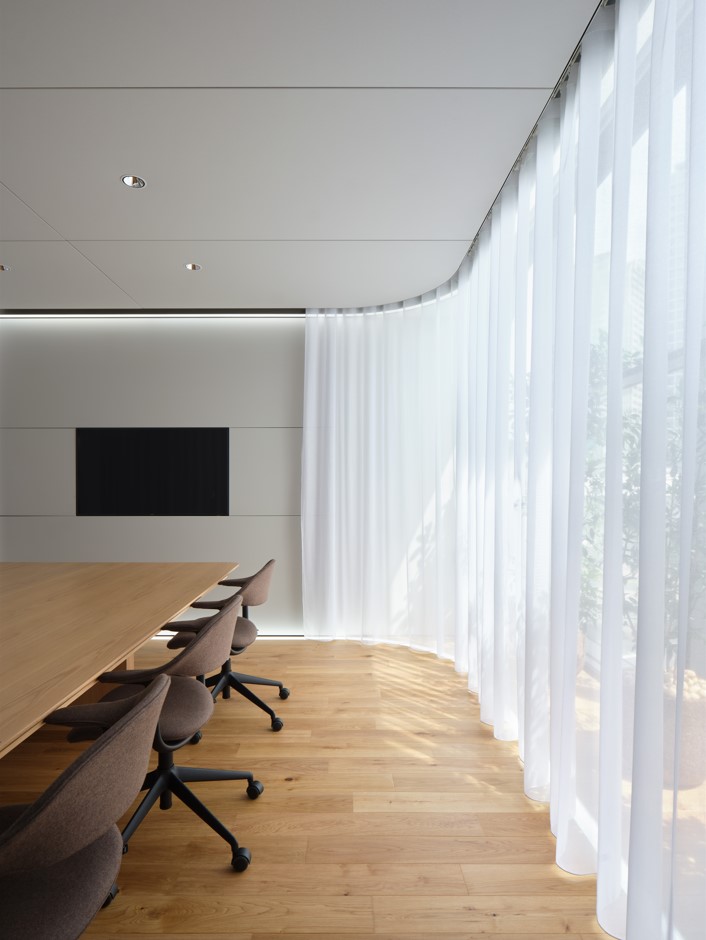
The meeting room features curved glass panels reminiscent of melting ice, while the waiting area has rounded furniture, creating a visually soft atmosphere. Although glass walls typically pose acoustic issues, high-performance sound-absorbing ceiling panels ensure a comfortable auditory environment. This creates a meeting room with a soft, inviting ambience, achieved through the combination of glass and lace curtains. Indirect lighting is installed between the glass and the lace curtains. By adjusting the transparency so that silhouettes are visible, but faces are not, the design helps to create an atmosphere that alleviates tension.

Winner
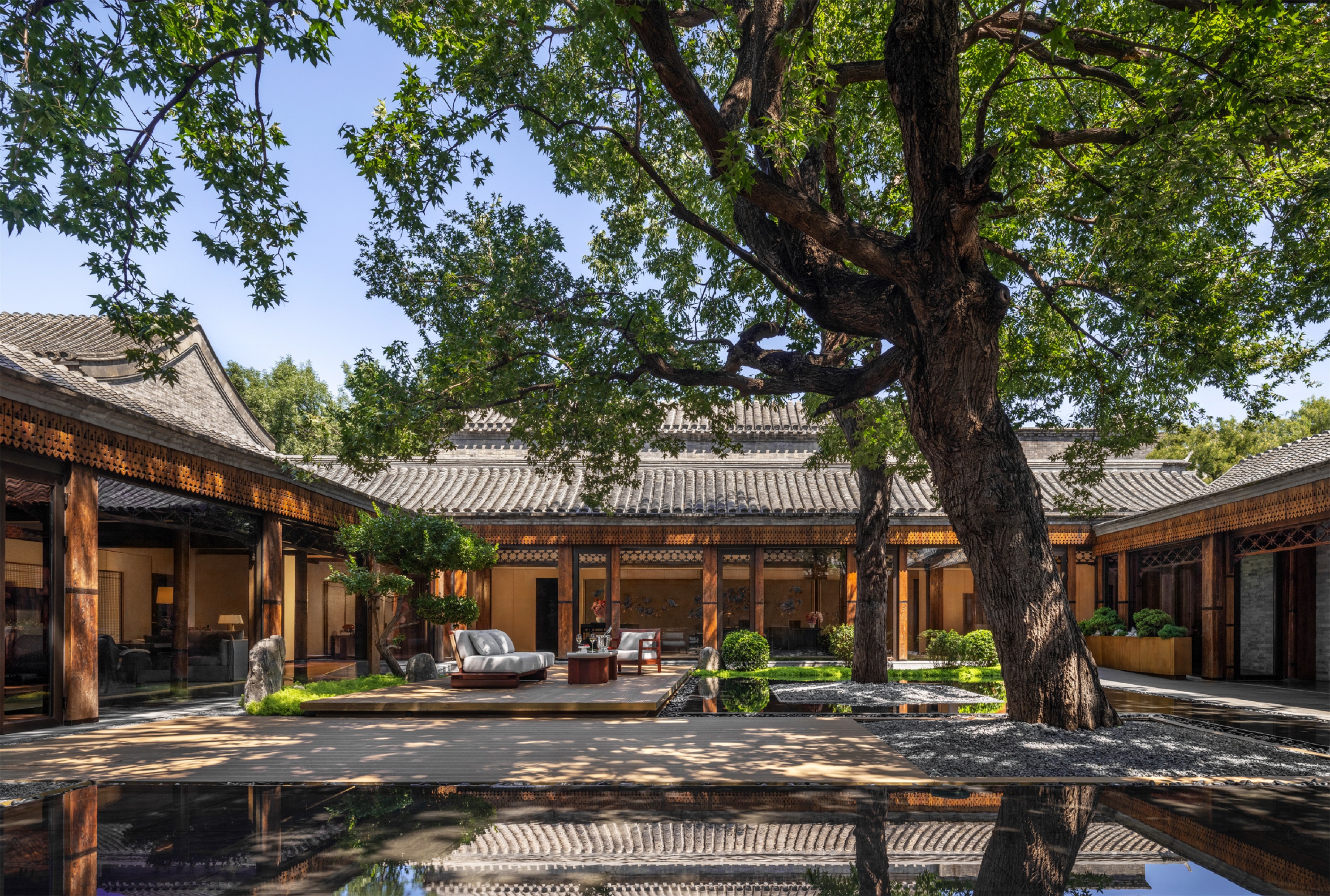
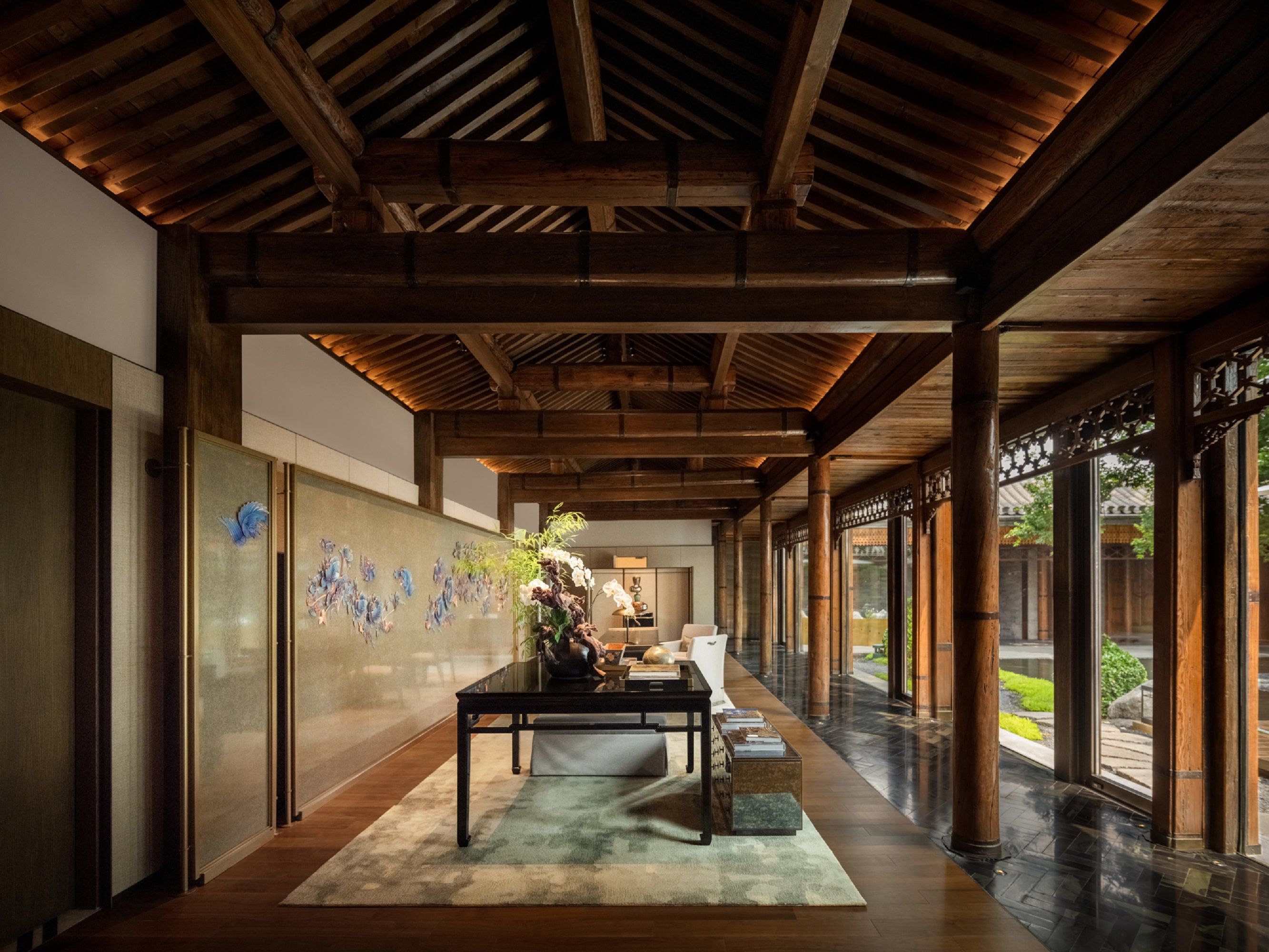
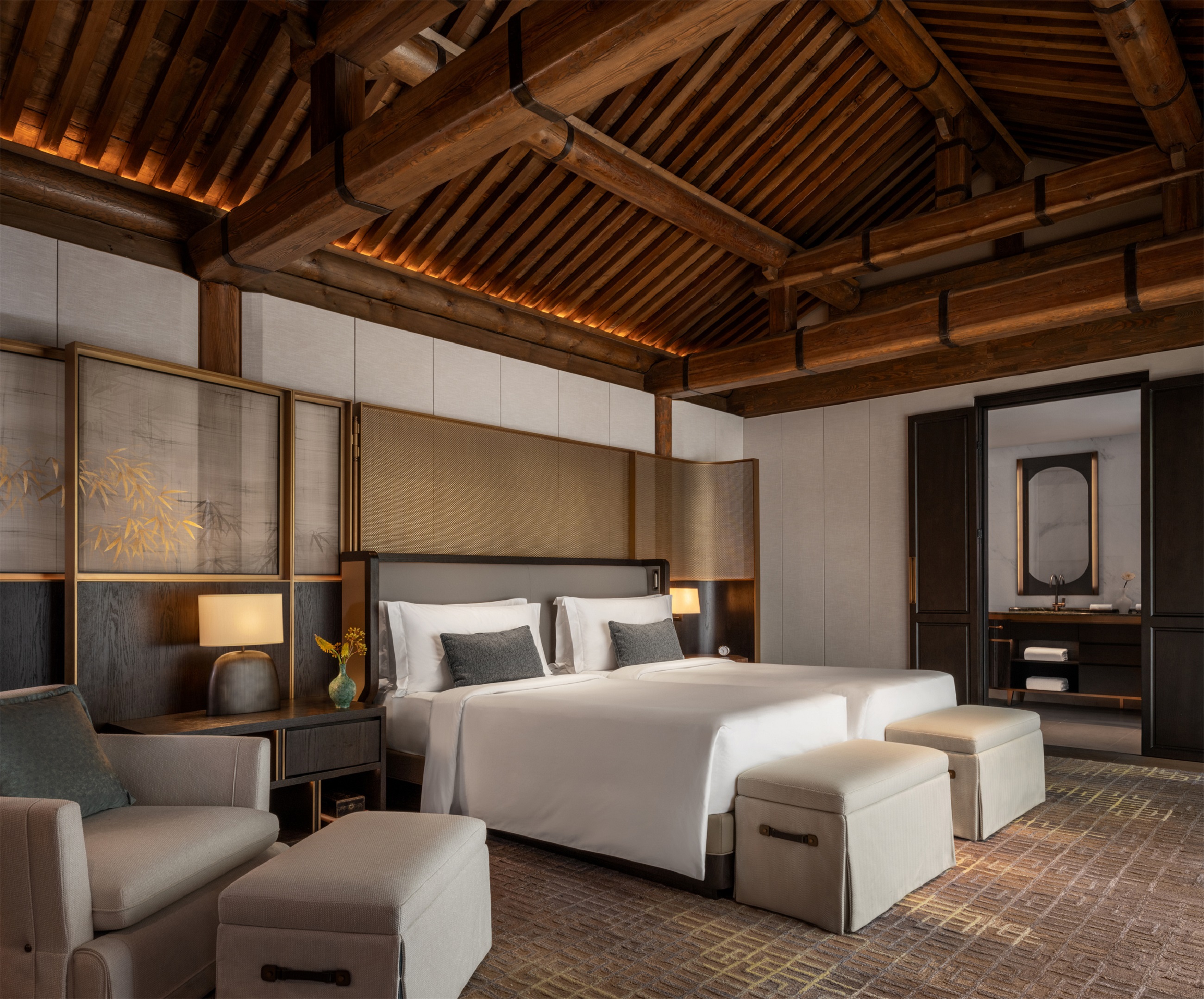
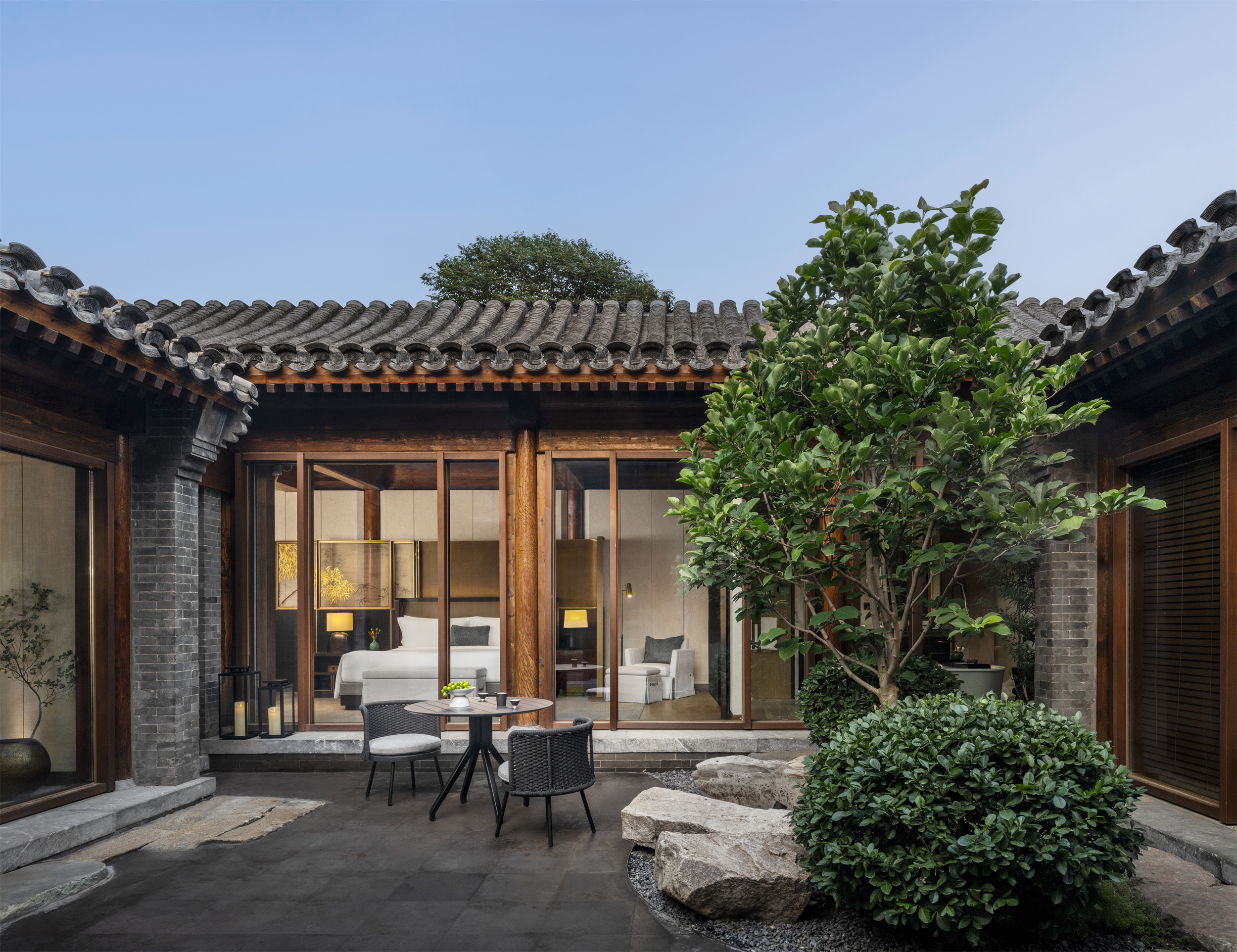
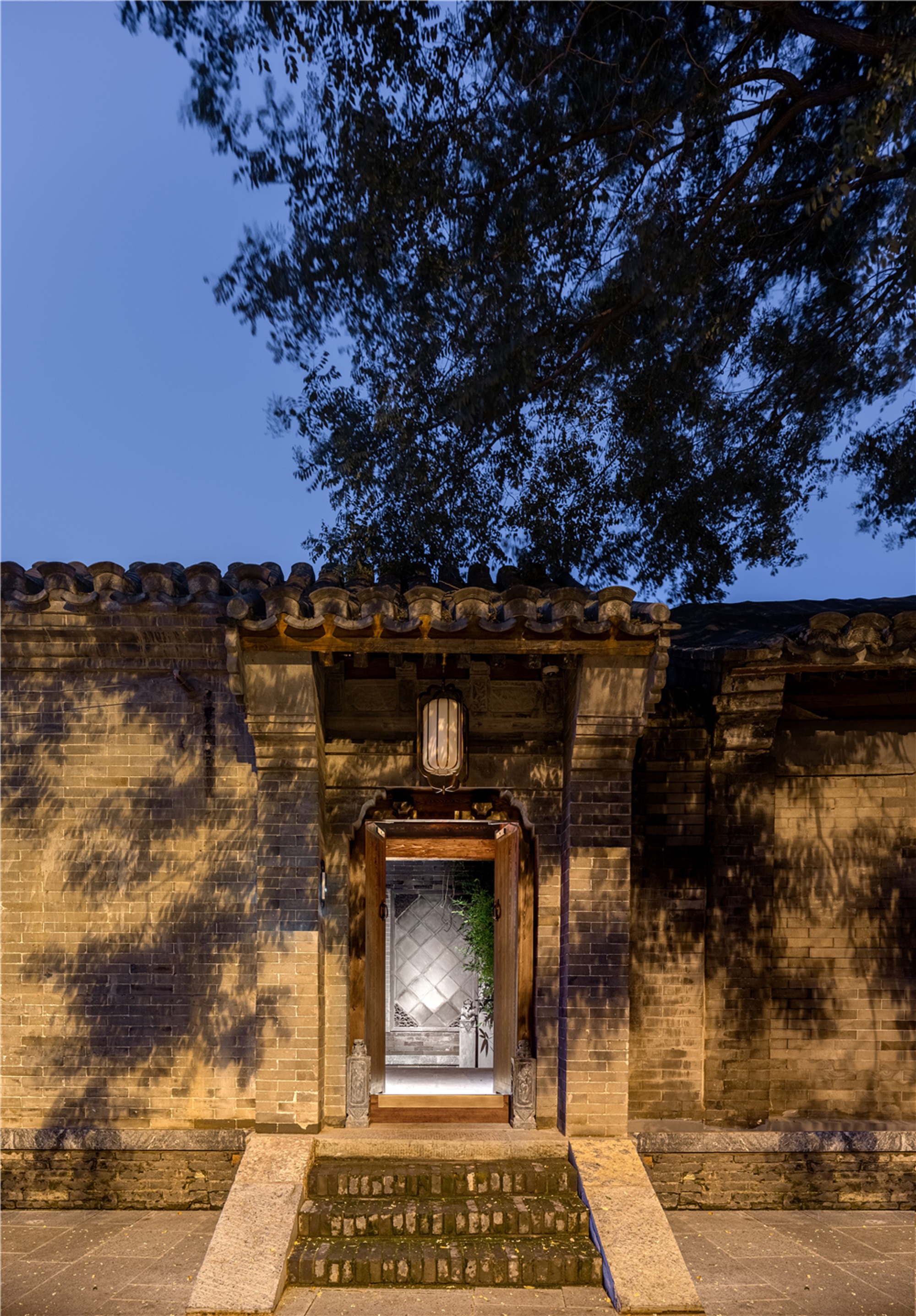
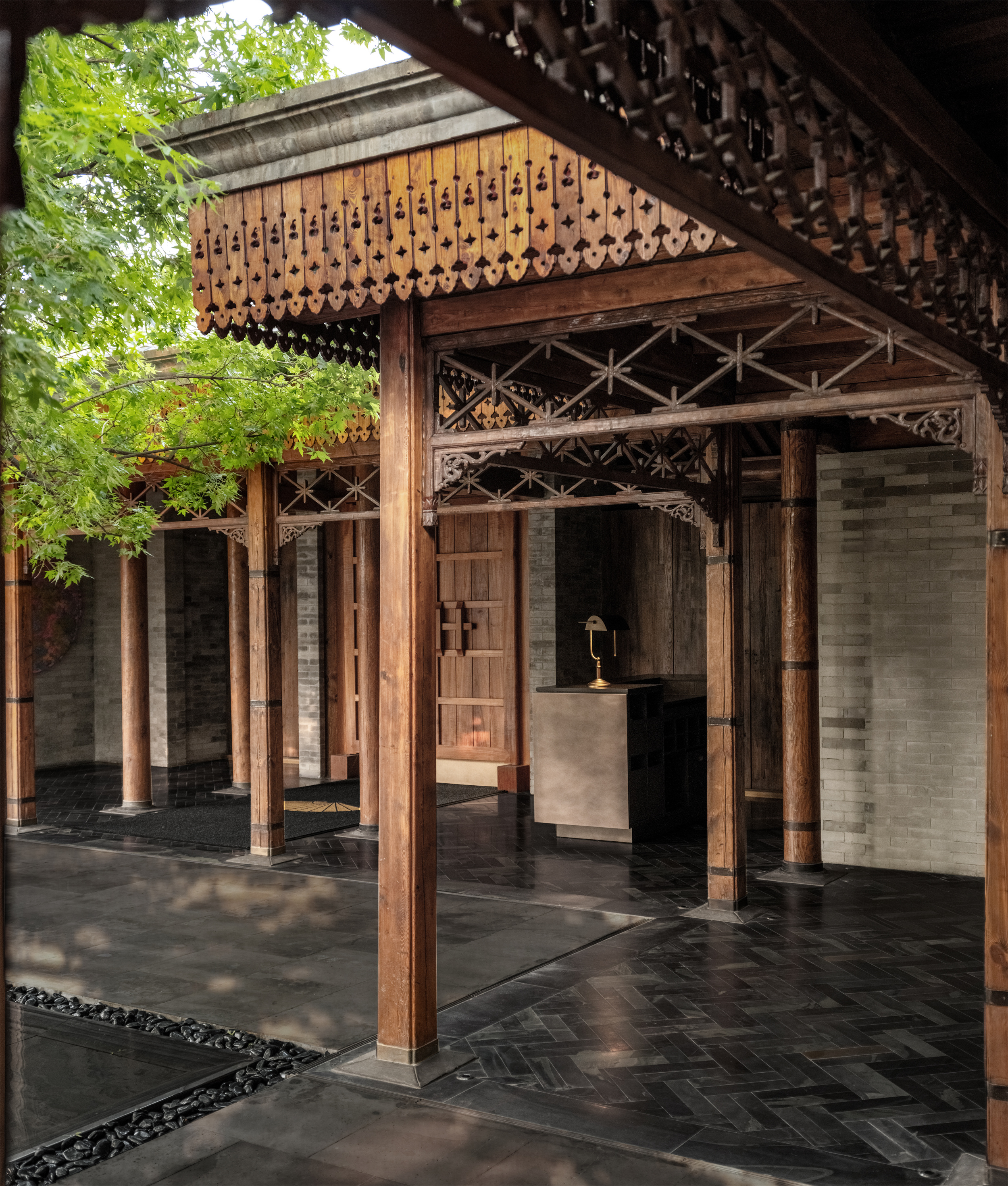
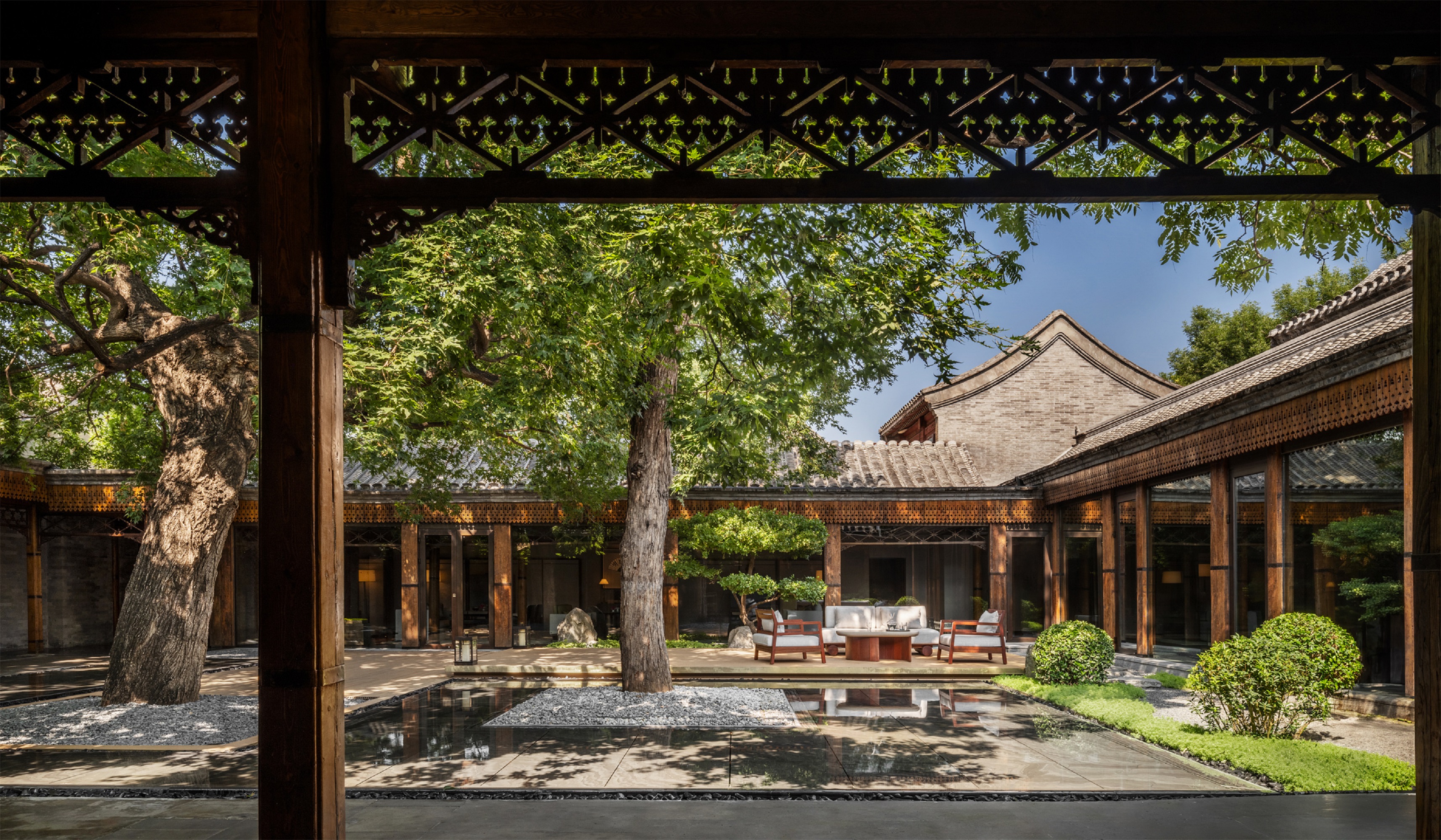
The project is located at No. 1 Caochang 10th Alley, in the historic Caochang Hutong near Qianmen Street, Beijing. Rich in over 600 years of folk culture, the area embodies the vibrancy of the Forbidden City and the essence of traditional Chinese life. Commissioned by Beijing Tianjie Group Co., Ltd. and designed by CCD/Cheng Chung Design, the brief was to enhance municipal infrastructure while preserving the architectural character and human scale of the Hutong. The design aims to improve the local environment and quality of life for residents by restoring the existing built fabric with sensitivity. Completed in 2024.This project approached architecture, interior, and landscape as a continuous dialogue between nature, space, and culture. Respecting the Hutong's unique historical texture, the design preserves the original courtyard layout and architectural style.
Winner
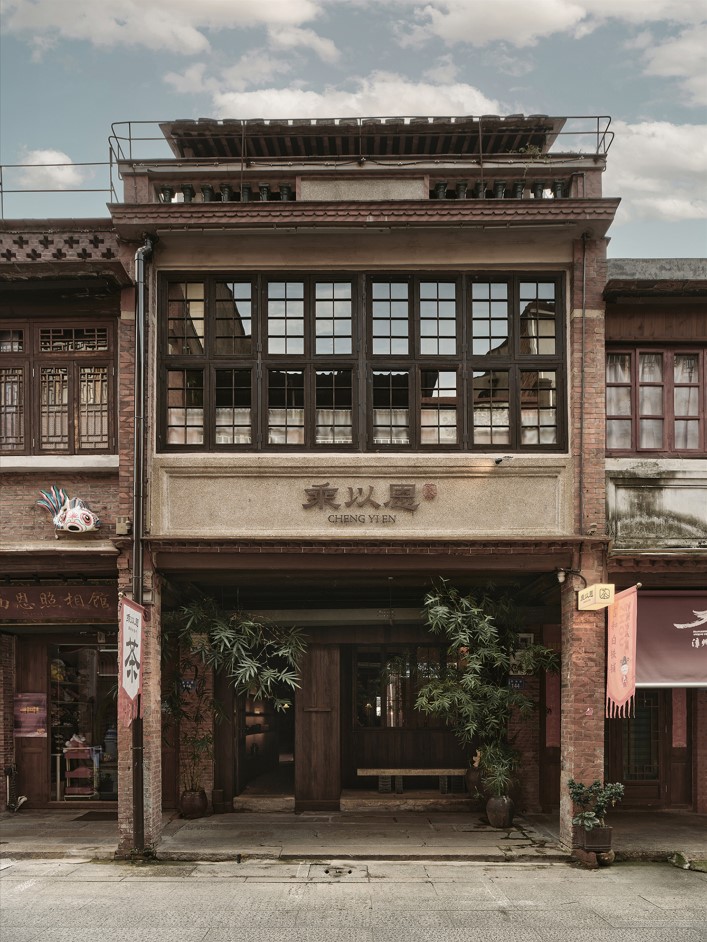
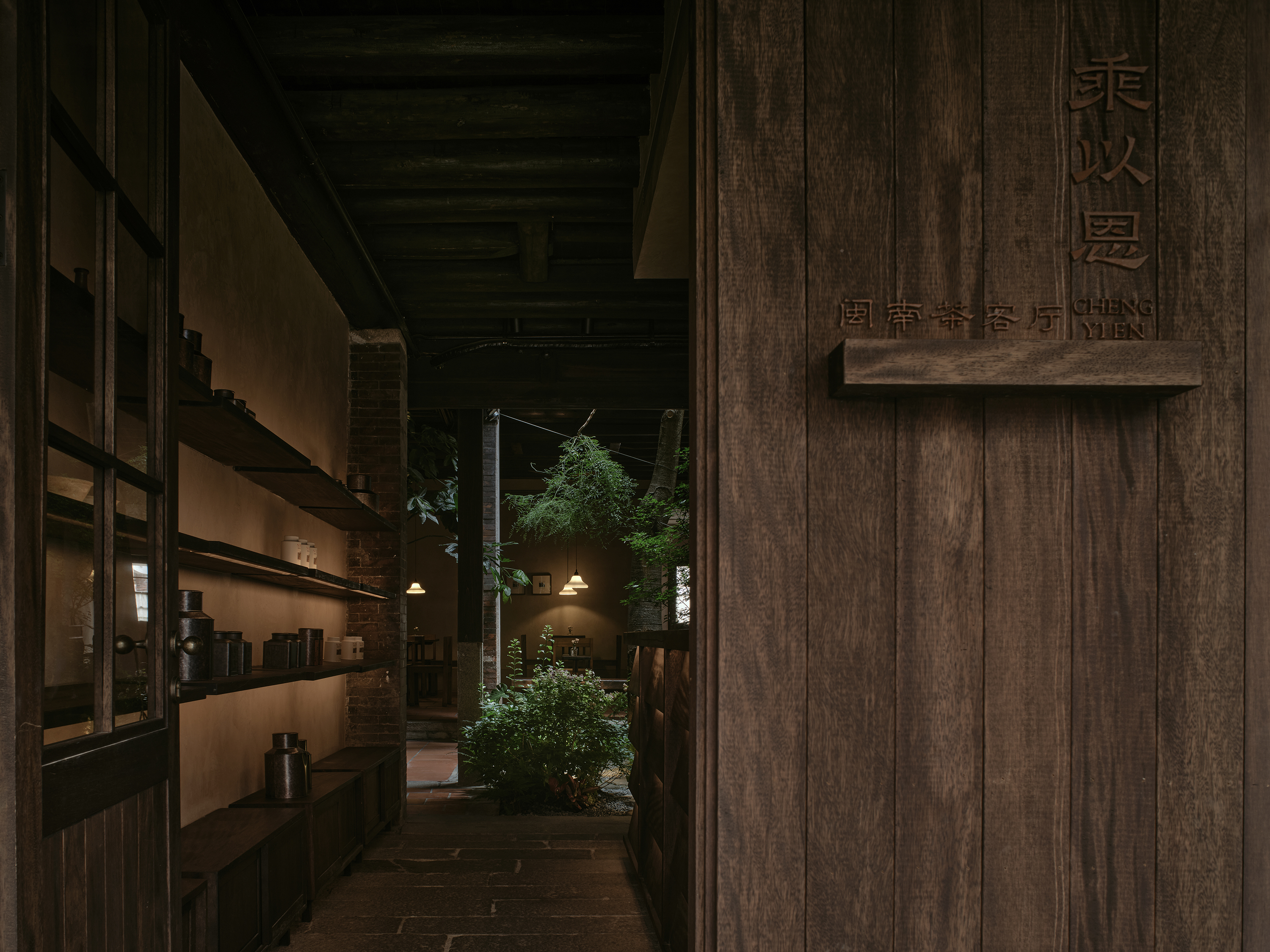
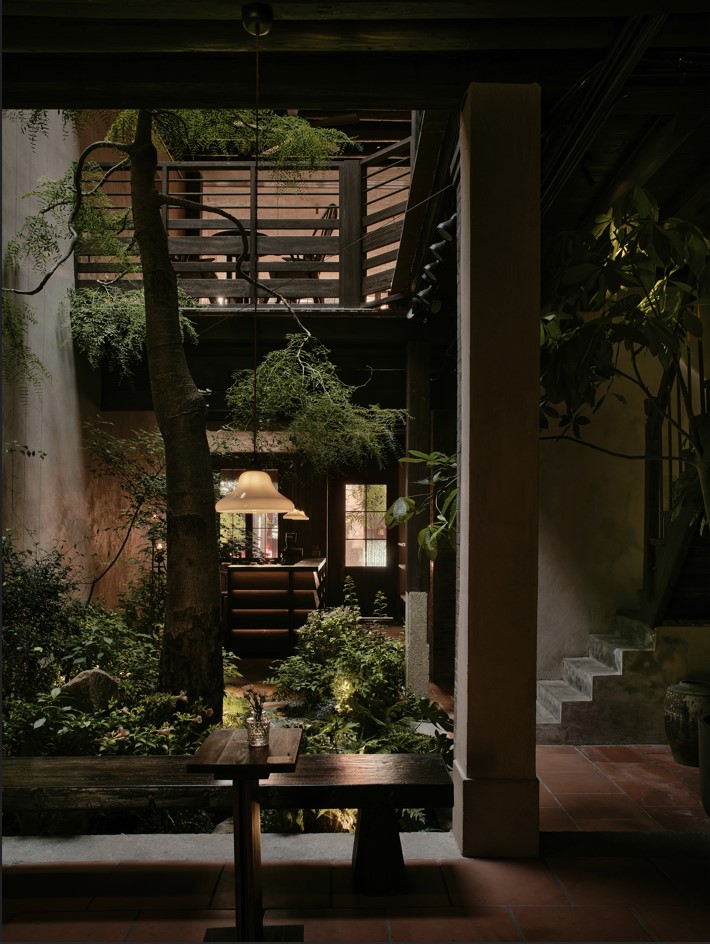
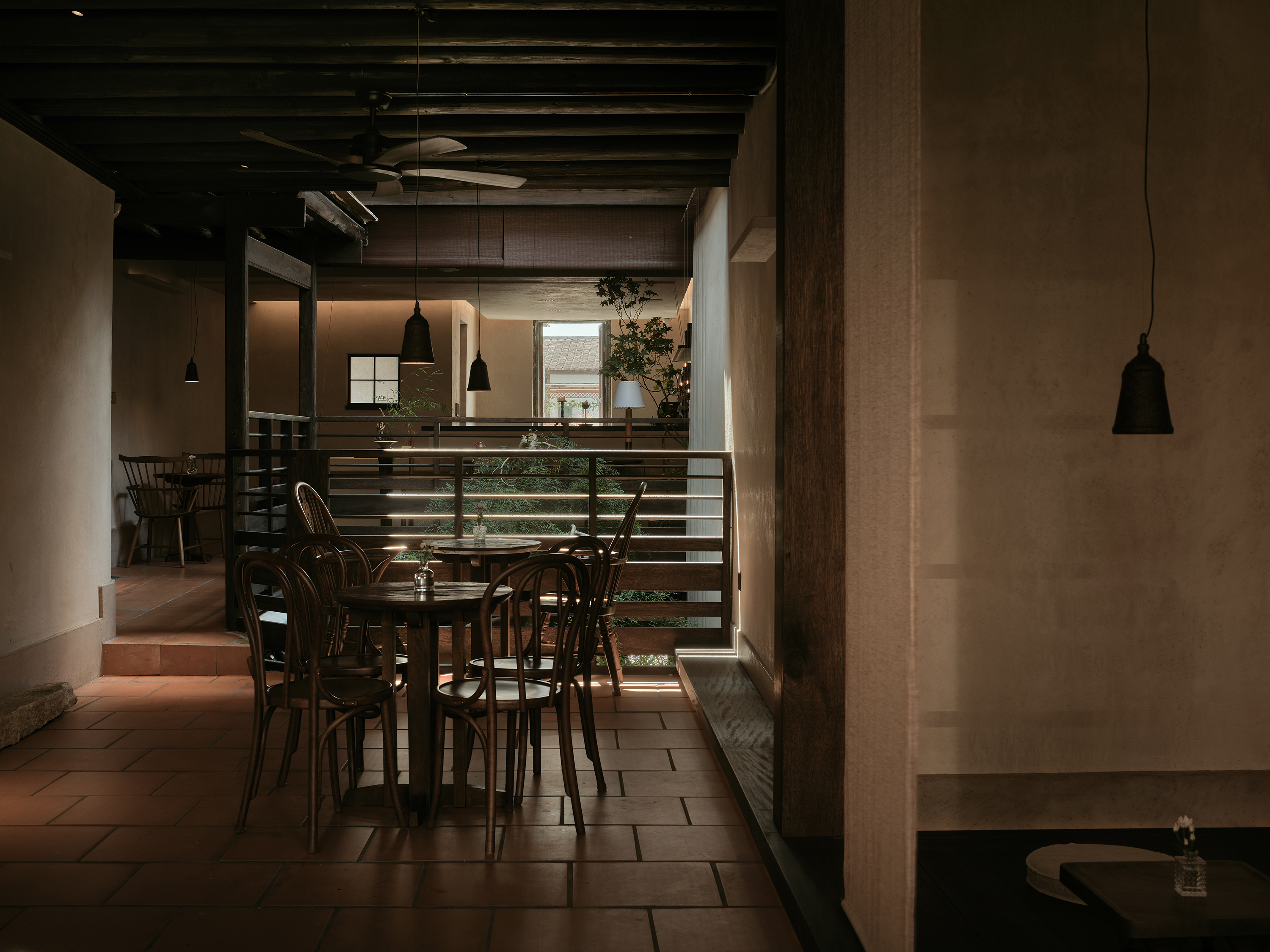
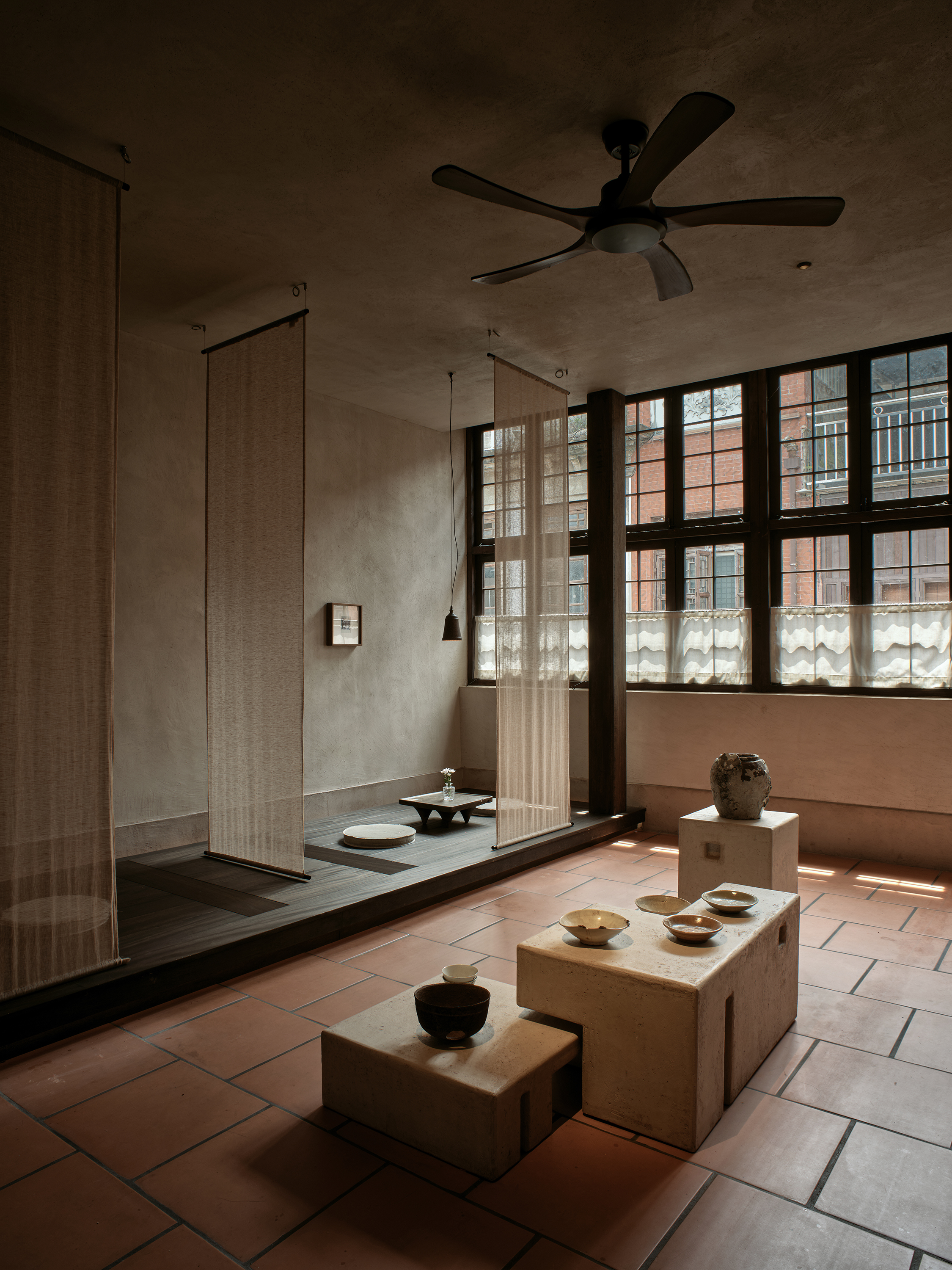
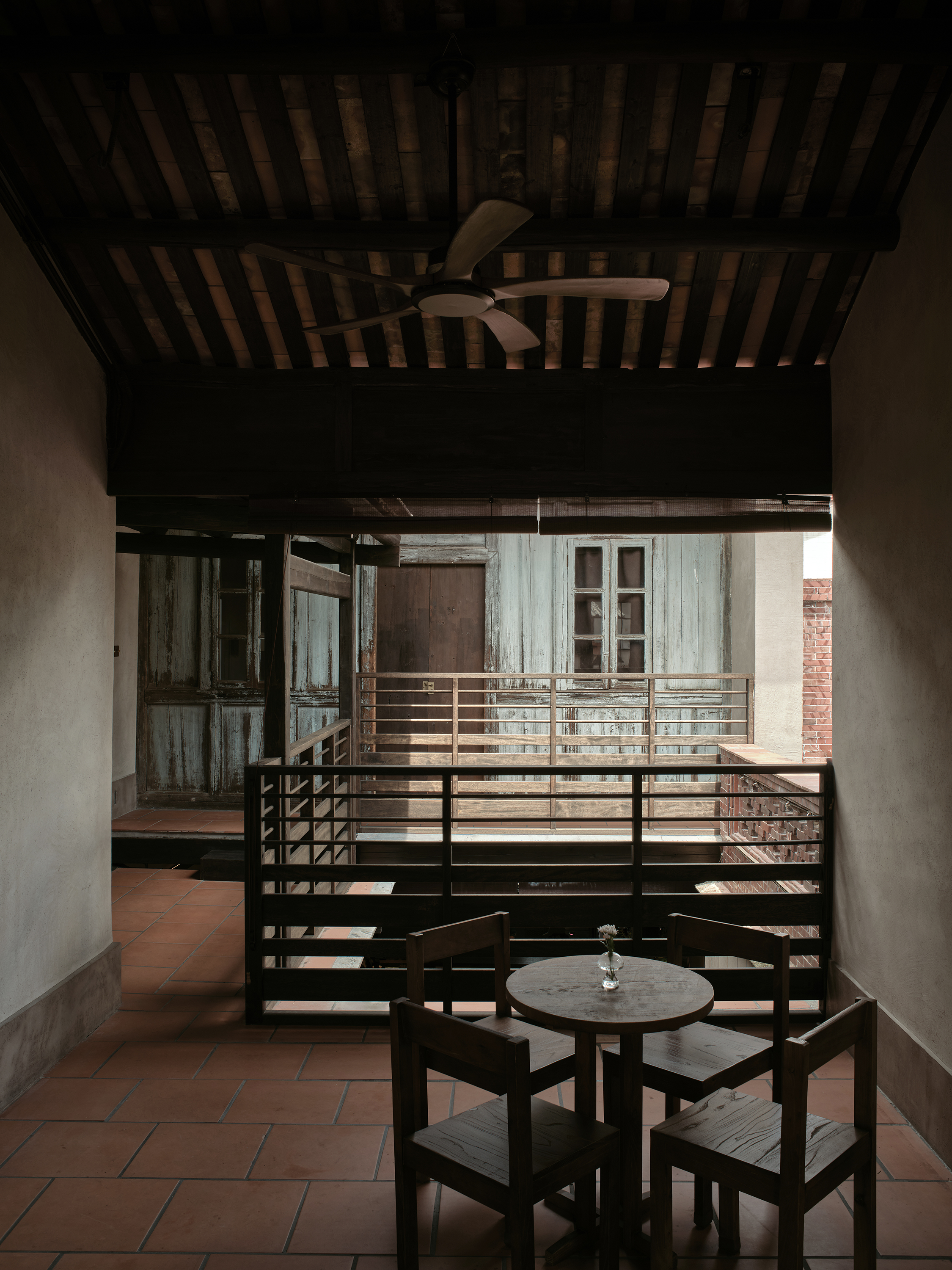
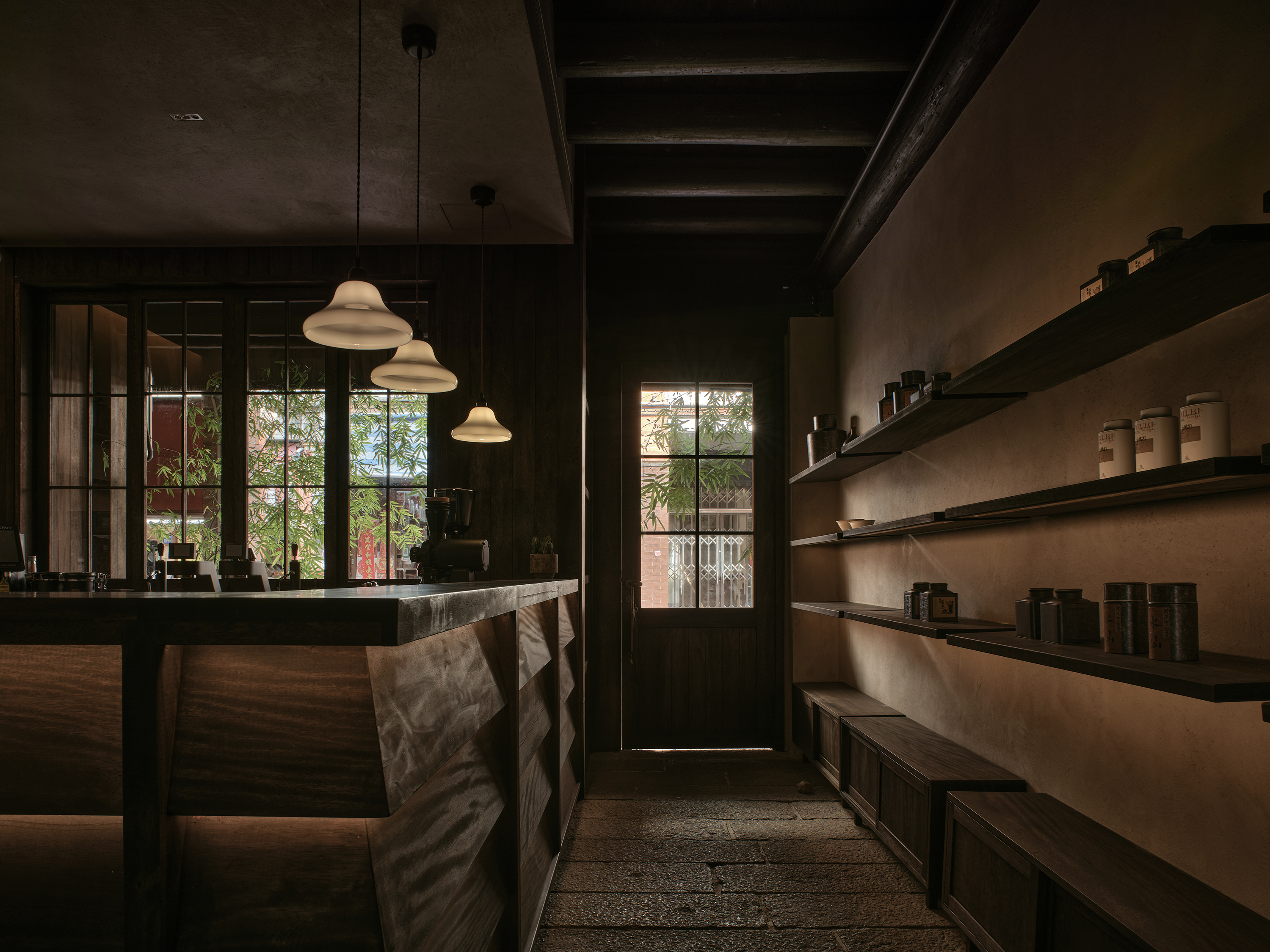
Tucked away in a historic alley of Zhangzhou, this century-old Minnan dwelling is carefully transformed into a serene tea salon that honors the soul of the original architecture. Guided by the philosophy of “repair the old as it was, integrate old and new,” 70% of the original timber structure—beams, staircase, and courtyard stonework—is preserved. Traditional mortise-and-tenon techniques and handcrafted window grilles maintain authenticity, while carefully curated new elements—aged fir tea tables, brass lighting, rammed earth walls, and native flora—bring new life. The spatial experience unfolds through a narrow, light-filtered entry, a 5.8m-high courtyard that breathes with sunlight and rain, and upper floors that host intimate tea scenes. Architecture becomes a vessel, tea a medium, and daily life a ritual of calm and poetry. It is a quiet dialogue between tradition and contemporary living, rooted in the rhythms of southern Fujian.